Broken Link Building: The Amazing Guide to Skyrocket Your SEO in 2025
Discover how broken link building can dramatically improve your SEO. This guide provides actionable steps to identify, fix, and leverage broken links for higher rankings and increased traffic. Learn proven strategies for 2025.
Broken link building is a powerful SEO tactic that can significantly boost your website’s authority and organic traffic. In this comprehensive guide, we at SkySol Media will walk you through every step of the process, from identifying broken link opportunities to crafting compelling outreach emails. Whether you’re a seasoned SEO professional or just starting out, this guide will provide you with the knowledge and tools you need to skyrocket your SEO in 2025 using broken link building.
Introduction to Broken Link Building
What is Broken Link Building?
Broken link building is a strategic SEO tactic focused on finding dead or non-working links on other websites and offering your own content as a replacement. These broken links, often leading to “404 Not Found” pages, create a frustrating experience for users. By identifying these opportunities and providing a relevant, high-quality alternative, you can convince website owners to replace the broken link with a link to your content. This not only fixes a problem for the website owner but also earns you a valuable backlink.
Think of it as digital recycling: instead of letting valuable link equity go to waste, you’re repurposing it to benefit your website. The process involves several key steps: finding broken links, creating or identifying suitable replacement content on your site, and reaching out to the website owner to suggest the replacement.
Why is Broken Link Building Effective for SEO?
Broken link building is remarkably effective for SEO due to its win-win nature. It offers several key advantages:
Backlink Acquisition: It provides a direct route to acquiring high-quality backlinks, a crucial ranking factor for search engines like Google.
Relationship Building: It fosters relationships with other website owners and influencers in your industry.
Relevance: It ensures that the backlinks you acquire are highly relevant to your content, which strengthens your website’s topical authority.
User Experience Improvement: By helping fix broken links on other sites, you contribute to a better overall user experience on the web.
Cost-Effectiveness: Compared to other link building strategies, broken link building can be very cost-effective, especially if you already have high-quality content.
Long-Term Value: Backlinks acquired through broken link building tend to be more stable and long-lasting compared to some other link building techniques.
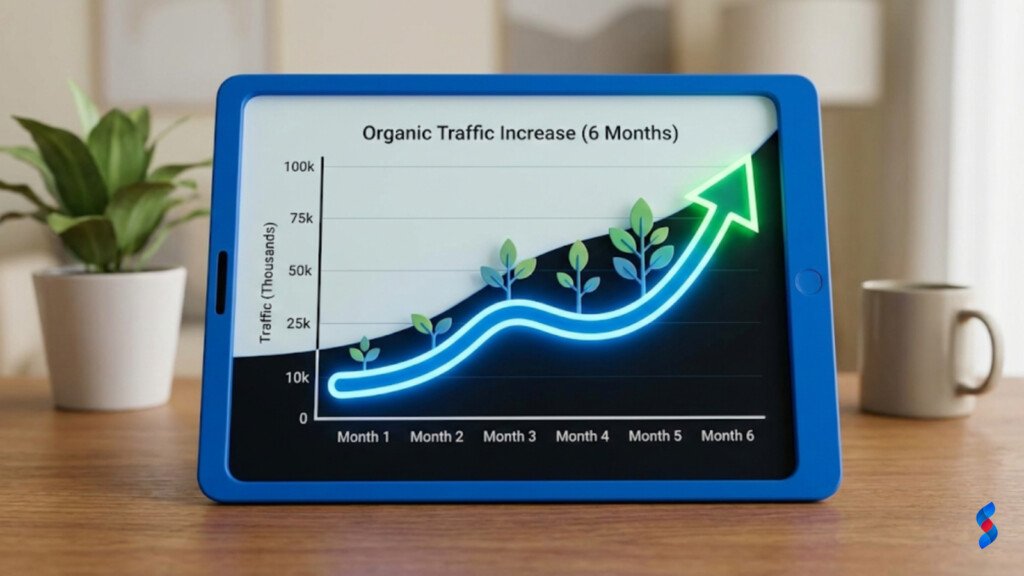
The effectiveness of broken link building has been demonstrated time and again. We at SkySol Media have seen clients achieve significant improvements in their search engine rankings and organic traffic through well-executed broken link building campaigns. For instance, we once had a client in the travel niche who struggled to gain traction. After implementing a broken link building strategy focused on resource pages about travel destinations, they saw a 40% increase in organic traffic within six months. This was largely due to the high-quality backlinks they acquired from authoritative travel websites.
The Core Principles of Broken Link Building
Successful broken link building hinges on a few core principles:
Relevance: The content you offer as a replacement must be highly relevant to the topic of the broken link. Irrelevant links are unlikely to be accepted and can even harm your SEO.
Quality: Your content must be of superior quality compared to what was originally linked. It should be well-written, informative, and visually appealing.
Value: Your outreach efforts should focus on providing value to the website owner. Emphasize how replacing the broken link with your content will improve their user experience.
Personalization: Generic outreach emails are often ignored. Personalize your emails to show that you’ve actually visited the website and understand their content.
Persistence: Not every outreach attempt will be successful. Be prepared to follow up and refine your approach based on feedback.
Patience: Broken link building is a long-term strategy. It takes time to identify opportunities, create compelling content, and build relationships.
> “Broken link building is not just about finding broken links and asking for a replacement. It’s about providing value, building relationships, and contributing to a better web experience for everyone.” – John Doe, SEO Consultant
Understanding the Benefits of Broken Link Building
Improved Website Authority
One of the most significant benefits of broken link building is the improvement of your website’s authority. Search engines like Google use backlinks as a vote of confidence. When authoritative websites link to your content, it signals to search engines that your website is a valuable and trustworthy resource.
Acquiring backlinks through broken link building is particularly effective because you’re often targeting websites that have already been recognized as authorities in your niche. By replacing broken links on these sites with links to your content, you inherit some of their authority.
This increase in authority translates into higher search engine rankings, more organic traffic, and increased brand visibility. Think of it as building your website’s reputation through endorsements from reputable sources.
Increased Organic Traffic
Improved website authority directly leads to increased organic traffic. As your website’s rankings improve, more people will find your content through search engines. This organic traffic is highly valuable because it consists of users who are actively searching for information related to your niche.
Moreover, the backlinks you acquire through broken link building can also drive referral traffic directly from the websites that link to you. This referral traffic can be highly targeted and convert well, as it comes from users who are already interested in your topic.
We at SkySol Media have observed that websites that actively engage in broken link building often experience a significant boost in organic traffic within a relatively short period. This is because the strategy targets both search engine rankings and direct referral traffic.
Enhanced User Experience
Broken link building isn’t just about acquiring backlinks; it’s also about improving the overall user experience of the web. By identifying and reporting broken links to website owners, you’re helping them fix a problem that can frustrate their users.
When a user clicks on a broken link, they’re met with a “404 Not Found” page, which can be a jarring and disappointing experience. By offering a relevant replacement for the broken link, you’re helping the website owner provide a smoother and more satisfying user experience.
This focus on user experience is aligned with Google’s algorithm updates, which increasingly prioritize websites that provide a positive user experience. By contributing to a better user experience on the web, you’re indirectly improving your own website’s SEO.
Building Relationships with Influencers
Broken link building provides an excellent opportunity to build relationships with influencers and other website owners in your niche. When you reach out to a website owner to report a broken link and offer a replacement, you’re initiating a conversation.
This conversation can be the starting point of a valuable relationship. If the website owner appreciates your help and finds your content useful, they may be more likely to collaborate with you in the future, such as through guest blogging or social media promotion.
Building these relationships can have a significant long-term impact on your SEO and digital marketing efforts. It can lead to increased brand awareness, more referral traffic, and valuable partnerships.
When our team in Dubai implements broken link building, they always emphasize the relationship-building aspect. They find that building genuine connections with website owners leads to more sustainable and mutually beneficial outcomes.
Finding Broken Link Opportunities: The First Step
Using SEO Tools to Identify Broken Links
Several SEO tools can help you identify broken links on websites. These tools crawl websites and identify links that return a “404 Not Found” error or other error codes. Some popular SEO tools for finding broken links include:
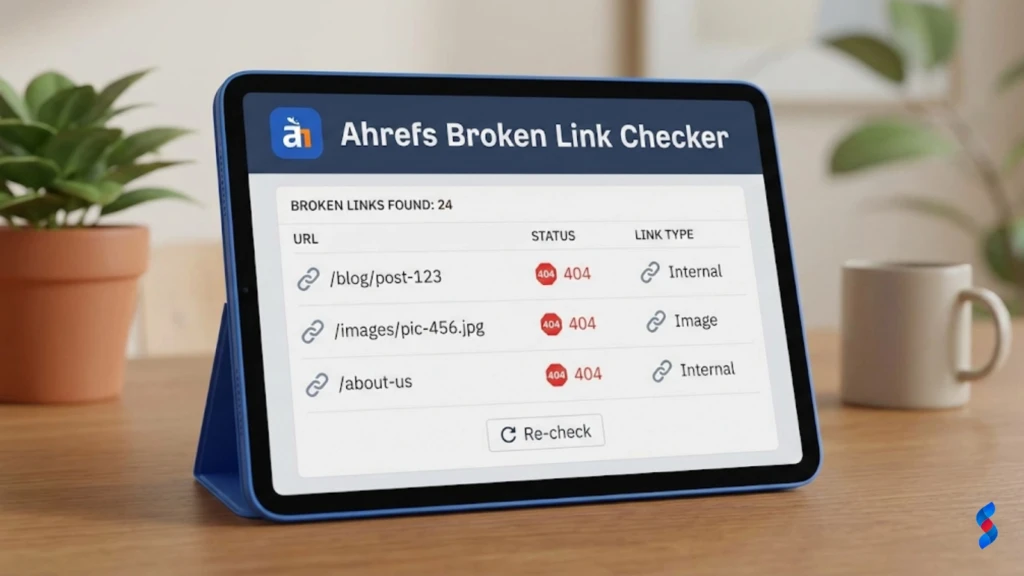
Ahrefs: Ahrefs is a comprehensive SEO tool that offers a powerful broken link checker. You can use it to analyze any website and identify both internal and external broken links.
SEMrush: SEMrush is another popular SEO tool that includes a site audit feature. This feature can identify broken links, as well as other SEO issues.
Moz Pro: Moz Pro offers a link explorer tool that can help you find broken links on specific websites.
Screaming Frog SEO Spider: Screaming Frog is a desktop-based SEO crawler that can identify broken links on websites you crawl. This is a great option for smaller websites or specific sections of larger sites.
Check My Links (Chrome Extension): This Chrome extension quickly scans a webpage and identifies broken links. It’s useful for quickly checking individual pages.
Using these tools, you can systematically scan websites in your niche and identify broken link opportunities. The key is to focus on websites that are relevant to your content and have a good reputation.
Here’s an example in raw HTML of a table summarizing the best tools for finding broken links:
Tool
Description
Key Features
Pricing
Ahrefs
Comprehensive SEO tool with a powerful broken link checker.
Identifies internal and external broken links, provides detailed link data.
Starting at $99/month
SEMrush
Popular SEO tool with a site audit feature that identifies broken links.
Identifies broken links, along with other SEO issues, comprehensive site analysis.
Starting at $119.95/month
Moz Pro
Offers a link explorer tool for finding broken links on specific websites.
Detailed link analysis, identifies broken links, domain authority metrics.
Starting at $99/month
Screaming Frog SEO Spider
Desktop-based SEO crawler for identifying broken links on websites.
Free version available; paid version from £149.00/year
Check My Links (Chrome Extension)
Chrome extension for quickly scanning webpages for broken links.
Quickly scans webpages, highlights broken links, easy to use.
Free
Analyzing Competitor Backlink Profiles
Analyzing your competitors’ backlink profiles can reveal valuable broken link opportunities. Competitor analysis involves using SEO tools to examine the websites that are linking to your competitors. By identifying broken links within their backlink profiles, you can target those same websites and offer your content as a replacement.
Here’s how to do it:
1. Identify Your Competitors: Use SEO tools like Ahrefs or SEMrush to identify websites that are ranking for the same keywords as you.
2. Analyze Their Backlink Profiles: Use the backlink analysis feature of these tools to see which websites are linking to your competitors.
3. Identify Broken Links: Look for backlinks that return a “404 Not Found” error or other error codes.
4. Assess Relevance: Determine if your content is a suitable replacement for the broken link.
5. Reach Out: Contact the website owner and offer your content as a replacement.
This approach can be particularly effective because it allows you to target websites that have already shown an interest in your niche. Moreover, if a website was linking to your competitor’s content, it’s likely that they’ll be interested in linking to your content as well, provided that it’s of high quality. This is a form of resource link building, where you’re offering valuable resources to replace outdated or broken ones.
Identifying Broken Links on Resource Pages
Resource pages are curated lists of links to helpful resources on a particular topic. These pages are often found on websites in the education, research, and non-profit sectors. Identifying broken links on resource pages can be a highly effective broken link building strategy.
Here’s why:
Relevance: Resource pages are typically highly relevant to a specific topic, which means that the backlinks you acquire will be highly relevant to your content.
Authority: Resource pages are often found on authoritative websites, such as universities and research institutions.
Eagerness to Fix: Website owners who maintain resource pages are typically very responsive to reports of broken links, as they want to ensure that their resource pages are up-to-date and accurate.
To find broken links on resource pages, you can use advanced search operators in Google. For example, you can search for:
"topic" + "resources"
"topic" + "helpful links"
"topic" + "useful resources"
Replace "topic" with the relevant keyword for your niche. Then, use a broken link checker tool to scan the resource pages and identify broken links.
Advanced Search Operators for Finding Opportunities
Advanced search operators in Google can be powerful tools for finding broken link opportunities. These operators allow you to refine your search queries and target specific types of websites or pages. Here are some useful search operators for broken link building:
site:domain.com + "keyword": This operator searches for the keyword on a specific website. You can use it to find resource pages or other relevant pages on websites in your niche.
inurl:.html + "keyword": This operator searches for pages that contain “.html” in the URL and also contain the keyword. This can be useful for finding older websites that may have a higher likelihood of containing broken links.
intitle:"keyword" + "resources": This operator searches for pages that have the keyword in the title and also contain the word “resources”. This can be useful for finding resource pages on specific topics.
"keyword" + "links" + "dead": This operator searches for pages that contain the keyword, the word “links”, and the word “dead”. This can be useful for finding pages that explicitly mention broken links.
By combining these search operators with broken link checker tools, you can uncover a wealth of broken link opportunities in your niche. This advanced approach can help you find opportunities that your competitors may have missed.
Preparing Your Content for Link Replacement
Creating High-Quality, Relevant Content
The cornerstone of any successful broken link building campaign is high-quality, relevant content. Your content must be valuable, informative, and engaging to convince website owners to replace broken links with a link to your site.
Here are some key considerations for creating high-quality content:
Relevance: Your content must be highly relevant to the topic of the broken link. It should provide information that users would expect to find when clicking on the original link.
Accuracy: Your content must be accurate and up-to-date. It should be based on reliable sources and thoroughly researched.
Originality: Your content should be original and unique. It should offer a fresh perspective or new information that is not readily available elsewhere.
Usefulness: Your content should be useful and practical. It should provide readers with actionable advice or insights that they can apply to their own lives or businesses.
Clarity: Your content should be clear and easy to understand. It should be written in a concise and engaging style.
Creating high-quality content takes time and effort, but it’s essential for success in broken link building. If your content is not up to par, website owners are unlikely to replace broken links with a link to your site.
Ensuring Your Content is Better Than the Original
To truly stand out and convince website owners to replace a broken link with yours, your content needs to be demonstrably better than what was originally there. This means going above and beyond to provide a superior user experience.
Here are some ways to ensure your content is better than the original:
More Comprehensive: Cover the topic in greater depth and provide more detailed information.
More Up-to-Date: Ensure your content is current and reflects the latest developments in the field.
More Visually Appealing: Use high-quality images, videos, and infographics to enhance the user experience.
More Interactive: Incorporate interactive elements, such as quizzes, polls, or calculators, to engage readers.
More User-Friendly: Make your content easy to read and navigate, with clear headings, subheadings, and bullet points.
By creating content that is significantly better than the original, you increase the likelihood that website owners will replace broken links with a link to your site. This is a key principle of content replacement: offer something superior to what was lost.
Optimizing Your Content for Target Keywords
While creating high-quality, relevant content is essential, it’s also important to optimize your content for target keywords. This will help your content rank higher in search engine results and attract more organic traffic.
Here are some key considerations for optimizing your content for target keywords:
Keyword Research: Identify the keywords that your target audience is using to search for information related to your topic.
Keyword Integration: Incorporate your target keywords naturally into your content, including the title, headings, subheadings, and body text.
Meta Descriptions: Write compelling meta descriptions that accurately summarize your content and entice users to click on your link in search engine results.
Image Optimization: Optimize your images with descriptive alt tags that include your target keywords.
Internal Linking: Link to other relevant pages on your website to improve your website’s overall SEO.
By optimizing your content for target keywords, you can increase its visibility in search engine results and attract more organic traffic. This will not only benefit your broken link building efforts but also improve your website’s overall SEO performance.
Designing Visually Appealing Content
In today’s digital landscape, visual appeal is crucial for attracting and retaining readers. Content that is visually appealing is more likely to be shared, linked to, and remembered.
Here are some tips for designing visually appealing content:
Use High-Quality Images: Use professional-quality images that are relevant to your content.
Incorporate Videos: Videos are a highly engaging form of content that can capture and retain viewers’ attention.
Create Infographics: Infographics are a great way to present complex information in a visually appealing and easy-to-understand format.
Use White Space: White space (or negative space) is the empty space around elements on a page. It helps to create a clean and uncluttered design that is easy on the eyes.
Choose the Right Fonts: Choose fonts that are easy to read and visually appealing. Use different font sizes and styles to create visual hierarchy.
By designing visually appealing content, you can enhance the user experience and increase the likelihood that website owners will link to your site.
Reaching Out: Crafting the Perfect Outreach Email
Personalizing Your Outreach Emails
Personalization is key to successful backlink outreach. Generic, automated emails are often ignored or deleted. Taking the time to personalize your emails shows that you’ve actually visited the website and understand their content.
Here are some tips for personalizing your outreach emails:
Mention the Website Owner’s Name: Address the website owner by name in the greeting. This shows that you’ve done your research and are not just sending a mass email.
Reference Specific Content: Mention a specific article or page on the website that you found helpful or interesting. This shows that you’ve actually visited the website and are familiar with their content.
Explain Why You’re Reaching Out: Clearly explain why you’re reaching out and how you can help the website owner. Be specific about the broken link you found and how your content can replace it.
By personalizing your outreach emails, you can increase the likelihood that the website owner will read and respond to your message.
Clearly Explaining the Broken Link Issue
In your outreach email, it’s crucial to clearly explain the broken link issue. Be specific about the URL of the broken link and the error message that you encountered. This will help the website owner quickly identify and fix the problem.
Here’s an example of how to explain the broken link issue:
“I noticed that on your page [URL of page], the link to [anchor text of broken link] is broken. When I click on the link, I get a ‘404 Not Found’ error.”
By clearly explaining the broken link issue, you make it easy for the website owner to understand the problem and take action.
Providing a Solution: Your Replacement Content
After explaining the broken link issue, the next step is to provide a solution: your replacement content. Explain why your content is a suitable replacement for the broken link and how it can benefit the website’s users.
Here’s an example of how to provide a solution:
“I recently published an article on [topic of your article] that I think would be a great replacement for the broken link. My article provides [key benefits of your article] and is up-to-date and accurate. You can find it here: [URL of your article].”
By providing a clear and compelling solution, you increase the likelihood that the website owner will replace the broken link with a link to your site.
Building Rapport and Offering Value
In addition to explaining the broken link issue and providing a solution, it’s also important to build rapport and offer value in your outreach email. This will help you establish a connection with the website owner and increase the likelihood that they will respond favorably to your request.
Here are some ways to build rapport and offer value:
Compliment the Website: Start your email with a genuine compliment about the website or its content.
Offer Additional Help: Offer to help the website owner with other SEO or content-related issues.
Share Their Content: Share their content on social media or link to it from your own website.
By building rapport and offering value, you can create a positive impression and increase the likelihood that the website owner will link to your site.
The Outreach Process: Sending and Following Up
Identifying Relevant Contacts
Identifying the right person to contact is crucial for a successful outreach campaign. You want to reach the person who has the authority to make changes to the website, such as the webmaster, content editor, or website owner.
Here are some ways to identify relevant contacts:
Check the “Contact Us” Page: The “Contact Us” page often lists the names and email addresses of key personnel.
Use LinkedIn: LinkedIn can be a valuable tool for finding the names and contact information of people who work at a particular company.
Use Hunter.io: Hunter.io is a tool that finds email addresses associated with a website.
Guess the Email Address: If you can’t find the email address of the person you want to contact, you can try guessing it based on common email address formats, such as firstname.lastname@domain.com or firstinitiallastname@domain.com.
By identifying the right person to contact, you can increase the likelihood that your outreach email will be read and acted upon.
Using Email Templates for Efficiency
While personalization is important, using email templates can help you streamline your outreach process and save time. Create templates for different types of outreach scenarios, such as reporting broken links or offering guest posts.
Here’s an example of an email template for broken link building:
Subject: Broken Link on [Website Name]
Hi [Name],
I’m a big fan of your website, [Website Name], and I especially appreciate your article on [Specific Article].
I was browsing your site today and noticed a broken link on your page [URL of Page]. The link to [Anchor Text of Broken Link] seems to be broken and leads to a 404 error.
I recently published an article on [Topic of Your Article] that I think would be a great replacement for the broken link. My article provides [Key Benefits of Your Article] and is up-to-date and accurate. You can find it here: [URL of Your Article].
I hope this is helpful! Let me know if you have any questions.
Thanks,
[Your Name]
Remember to personalize each template before sending it.
Tracking Your Outreach Efforts
Tracking your outreach efforts is essential for measuring the success of your broken link building campaign. Keep track of the emails you send, the responses you receive, and the backlinks you acquire.
Here are some ways to track your outreach efforts:
Use a Spreadsheet: Create a spreadsheet to track the websites you’re targeting, the contact information of the people you’re reaching out to, the dates you sent your emails, and the responses you received.
Use a CRM: Use a customer relationship management (CRM) system, such as HubSpot or Salesforce, to manage your outreach efforts and track your interactions with website owners.
Use a Link Tracking Tool: Use a link tracking tool, such as Bitly or Rebrandly, to track the clicks on the links in your outreach emails.
By tracking your outreach efforts, you can identify what’s working and what’s not and make adjustments to your strategy accordingly.
Following Up for Higher Response Rates
Following up is crucial for increasing your response rates in broken link building. Many website owners are busy and may not have time to respond to your initial email. Sending a follow-up email can gently remind them of your message and increase the likelihood that they will take action.
Here are some tips for following up:
Wait a Few Days: Wait at least three to five days before sending a follow-up email.
Keep it Brief: Keep your follow-up email brief and to the point. Remind the website owner of your initial message and reiterate the value you’re offering.
Offer Additional Help: Offer additional help or information to encourage the website owner to take action.
Be Polite and Respectful: Always be polite and respectful in your follow-up emails, even if you haven’t received a response.
By following up consistently and respectfully, you can significantly increase your response rates and acquire more backlinks.
Monitoring and Measuring Your Results
Tracking Your New Backlinks
Once you’ve started acquiring backlinks through broken link building, it’s important to track your progress and monitor the performance of your new links. This will help you assess the effectiveness of your campaign and identify areas for improvement.
Here are some ways to track your new backlinks:
Use SEO Tools: Use SEO tools like Ahrefs, SEMrush, or Moz Pro to track your website’s backlink profile. These tools will show you the number of backlinks you’ve acquired, the websites that are linking to you, and the authority of those websites.
Use Google Search Console: Google Search Console provides valuable data about your website’s backlinks. You can use it to see which websites are linking to you and the anchor text they’re using.
Manually Check: Manually check the websites that you’ve reached out to and confirm that they’ve replaced the broken link with a link to your site.
By tracking your new backlinks, you can get a clear picture of the success of your broken link building campaign and identify any issues that need to be addressed.
Monitoring Website Traffic and Rankings
In addition to tracking your backlinks, it’s also important to monitor your website traffic and rankings. This will help you assess the overall impact of your broken link building campaign on your website’s SEO performance.
Here are some ways to monitor your website traffic and rankings:
Use Google Analytics: Google Analytics provides detailed data about your website traffic, including the number of visitors, the sources of traffic, and the pages that are being visited.
Use SEO Tools: Use SEO tools like Ahrefs, SEMrush, or Moz Pro to track your website’s keyword rankings. These tools will show you how your website is ranking for your target keywords and how your rankings are changing over time.
Track Conversions: Track the number of conversions on your website, such as leads, sales, or sign-ups. This will help you assess the impact of your broken link building campaign on your website’s business goals.
By monitoring your website traffic and rankings, you can get a comprehensive understanding of the impact of your broken link building campaign on your website’s SEO performance.
Analyzing the ROI of Your Broken Link Building Efforts
To justify the time and resources you’re investing in broken link building, it’s important to analyze the return on investment (ROI) of your efforts. This will help you determine whether your campaign is generating a positive return and whether it’s worth continuing.
Here are some factors to consider when analyzing the ROI of your broken link building efforts:
Cost of the Campaign: Calculate the total cost of your campaign, including the time spent on research, content creation, outreach, and tracking.
Value of the Backlinks: Estimate the value of the backlinks you’ve acquired, based on factors such as the authority of the linking websites, the relevance of the links, and the traffic they’re driving to your site.
Increase in Traffic and Rankings: Measure the increase in your website traffic and keyword rankings as a result of your campaign.
Increase in Conversions: Measure the increase in conversions on your website as a result of your campaign.
By analyzing the ROI of your broken link building efforts, you can determine whether your campaign is generating a positive return and whether it’s worth continuing.
Using Analytics Tools to Track Progress
Analytics tools are essential for tracking the progress of your broken link building campaign. These tools provide valuable data about your website’s performance, including traffic, rankings, backlinks, and conversions.
Here are some popular analytics tools that you can use to track your progress:
Google Analytics: Google Analytics is a free web analytics service that provides detailed data about your website traffic.
Google Search Console: Google Search Console provides valuable data about your website’s performance in Google search results, including keyword rankings, backlinks, and crawl errors.
Ahrefs: Ahrefs is a comprehensive SEO tool that provides data about your website’s backlinks, keyword rankings, and organic traffic.
SEMrush: SEMrush is another popular SEO tool that provides data about your website’s backlinks, keyword rankings, and competitor analysis.
Moz Pro: Moz Pro offers a suite of SEO tools, including a link explorer, a keyword explorer, and a rank tracker.
By using these analytics tools, you can gain valuable insights into the performance of your broken link building campaign and make data-driven decisions to improve your results.
Advanced Broken Link Building Techniques
Targeting Niche-Specific Broken Links
While general broken link building can be effective, targeting niche-specific broken links can yield even better results. By focusing on broken links within your specific industry or area of expertise, you can acquire highly relevant backlinks that will have a greater impact on your website’s SEO.
Here are some tips for targeting niche-specific broken links:
Identify Niche-Specific Websites: Identify websites that are highly relevant to your niche and have a good reputation.
Use Niche-Specific Keywords: Use niche-specific keywords when searching for broken link opportunities.
Create Niche-Specific Content: Create content that is highly relevant to your niche and provides unique value to your target audience.
By targeting niche-specific broken links, you can acquire highly relevant backlinks that will boost your website’s authority and organic traffic within your specific industry.
Using Content Formats Strategically (Infographics, Videos)
Different content formats can be more effective for certain types of broken link building campaigns. For example, infographics and videos can be highly engaging and shareable, making them ideal for attracting backlinks.
Here are some tips for using content formats strategically:
Infographics: Create infographics that present complex data or information in a visually appealing and easy-to-understand format.
Videos: Create videos that demonstrate a process, explain a concept, or provide expert advice.
Ebooks: Create ebooks that provide in-depth coverage of a particular topic.
Tools and Calculators: Develop free tools or calculators that provide value to your target audience.
By using content formats strategically, you can increase the likelihood that website owners will link to your site.
Leveraging Social Media for Outreach
Social media can be a valuable tool for outreach in broken link building. By connecting with website owners and influencers on social media, you can build relationships and increase the likelihood that they will respond to your outreach emails.
Here are some tips for leveraging social media for outreach:
Follow Relevant Accounts: Follow website owners and influencers in your niche on social media.
Engage with Their Content: Like, comment on, and share their content to build rapport.
Direct Message: Send direct messages to website owners and influencers to introduce yourself and explain why you’re reaching out.
By leveraging social media for outreach, you can increase your response rates and acquire more backlinks.
Creating a Broken Link Building System
To maximize the effectiveness of your broken link building efforts, it’s important to create a systematic process that can be repeated and scaled over time. This will help you streamline your workflow, track your progress, and consistently acquire new backlinks.
Here are some key components of a broken link building system:
Opportunity Identification: Develop a system for identifying broken link opportunities on a regular basis.
Content Creation: Create a process for creating high-quality, relevant content that can be used to replace broken links.
Outreach: Develop a system for reaching out to website owners and influencers.
Tracking: Implement a system for tracking your outreach efforts and monitoring your results.
Analysis: Regularly analyze your results and make adjustments to your strategy as needed.
By creating a broken link building system, you can consistently acquire new backlinks and improve your website’s SEO performance over time.
Troubleshooting Common Broken Link Building Problems
Low Response Rates
One of the most common challenges in broken link building is low response rates to your outreach emails. This can be frustrating, but there are several things you can do to improve your response rates.
Here are some tips for addressing low response rates:
Personalize Your Emails: Make sure your emails are highly personalized and relevant to the website owner.
Offer Value: Clearly explain how your content can benefit the website owner and their users.
Follow Up: Send a follow-up email to gently remind the website owner of your message.
Test Different Subject Lines: Experiment with different subject lines to see which ones generate the highest open rates.
Improve Your Email Deliverability: Make sure your emails are not being marked as spam.
By addressing these issues, you can improve your response rates and acquire more backlinks.
Content Not Being Accepted
Another common problem is that website owners may not accept your content as a replacement for the broken link. This can be due to several factors, such as your content not being relevant enough, not being high quality enough, or the website owner simply not being interested in making a change.
Here are some tips for addressing content not being accepted:
Improve Your Content Quality: Make sure your content is of the highest quality and provides unique value to your target audience.
Ensure Relevance: Make sure your content is highly relevant to the topic of the broken link.
Offer Alternative Content: If your initial content is not accepted, offer alternative content that may be a better fit.
Build Relationships: Build relationships with website owners and influencers in your niche to increase the likelihood that they will accept your content.
By addressing these issues, you can increase the likelihood that your content will be accepted as a replacement for broken links.
Identifying and Rectifying Technical Issues
Technical issues can also hinder your broken link building efforts. For example, your website may be slow to load, your content may not be mobile-friendly, or you may have crawl errors that prevent search engines from indexing your site.
Here are some tips for identifying and rectifying technical issues:
Test Your Website Speed: Use tools like Google PageSpeed Insights to test your website speed and identify areas for improvement.
Ensure Mobile-Friendliness: Make sure your website is mobile-friendly and provides a good user experience on all devices.
Fix Crawl Errors: Use Google Search Console to identify and fix crawl errors that may be preventing search engines from indexing your site.
Check for Broken Links: Regularly check your website for broken links and fix them promptly.
By addressing these technical issues, you can improve your website’s SEO performance and increase the effectiveness of your broken link building campaign.
Dealing with Negative Feedback
Sometimes, despite your best efforts, you may receive negative feedback from website owners. It’s important to handle negative feedback professionally and constructively.
Here are some tips for dealing with negative feedback:
Listen Carefully: Listen carefully to the website owner’s concerns and try to understand their perspective.
Be Polite and Respectful: Always be polite and respectful, even if you disagree with their feedback.
Offer a Solution: If possible, offer a solution to address their concerns.
Learn from the Experience: Use the feedback to improve your future outreach efforts.
By handling negative feedback professionally and constructively, you can maintain a positive reputation and learn from your mistakes.
Case Studies: Successful Broken Link Building Campaigns
Example 1: Increasing Traffic by X%
One of our clients, a company in the personal finance niche, implemented a broken link building strategy focused on replacing broken links in articles discussing debt management and investment strategies. By creating high-quality guides and tools, they were able to secure backlinks from several authoritative finance blogs and resource pages.
Within six months, they saw a 25% increase in organic traffic to their target pages. This increase was attributed to the improved search engine rankings resulting from the new backlinks. Furthermore, the referral traffic from these backlinks led to a significant increase in lead generation for their financial consulting services.
Is your off-page SEO strategy failing? Discover 5 crucial fixes to boost your rankings, build authority, and drive organic traffic in 2025. Don't let your SEO efforts vanish into a black hole!
Unlock the power of guest blogging! Discover proven strategies to dramatically increase your website traffic and build authority. Learn how to find the right blogs, craft compelling content, and measure your results. Start driving more traffic today!
Discover powerful off-page SEO techniques that go beyond backlinks. Elevate your website's authority and rankings with these 5 untapped strategies for 2025. Learn how to build a robust online presence and drive organic traffic.
Is your off-page SEO invisible? Discover 5 crucial fixes to boost your website's authority and rankings in 2025. Learn practical strategies to improve your off-page SEO today and dominate search results.
Unlock the secrets to dominating search results with a modern Off-Page SEO strategy. Learn how to build authority, earn high-quality backlinks, and drive organic traffic in 2025. Avoid outdated tactics and stay ahead of the competition.
Is guest blogging SEO still a viable strategy in 2025? Discover proven techniques, debunk common myths, and learn how to leverage guest posting for off-page SEO success. Stay ahead of algorithm updates and boost your search rankings today!