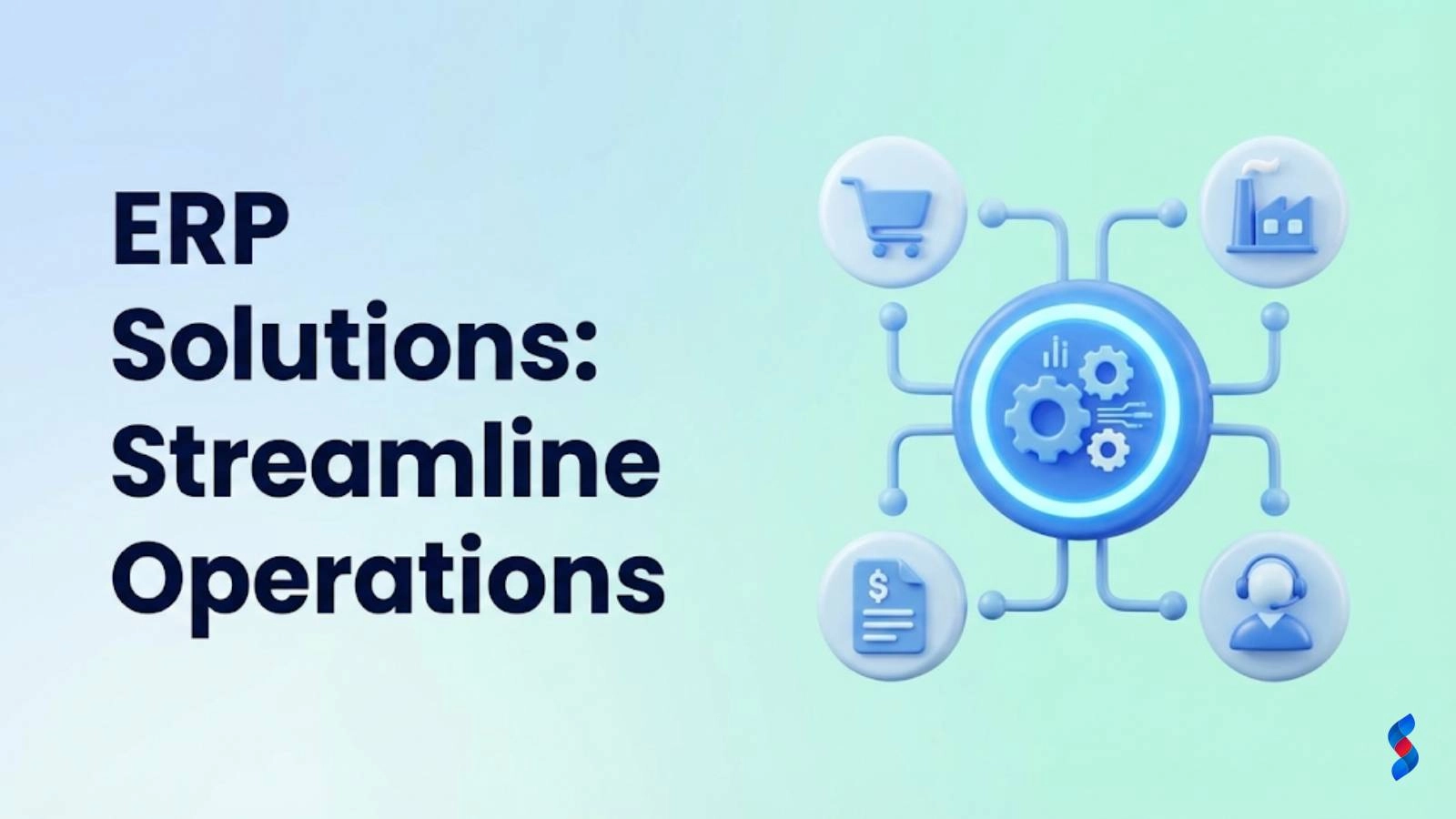
As we step into 2026, businesses are continually seeking ways to enhance their operations, cut costs, and boost profitability. One of the most effective strategies to achieve these goals is by implementing Enterprise Resource Planning (ERP) solutions. ERP solutions are designed to streamline business operations, leading to increased efficiency, improved productivity, and better decision-making. In this comprehensive guide, we will delve into the world of ERP solutions, exploring what they are, their importance in business, the benefits they offer, key features, how they streamline operations, and the considerations for choosing and implementing the right ERP solution for your business.
Introduction to ERP Solutions
What are ERP Solutions?
ERP solutions are integrated management systems that enable organizations to manage their business operations more efficiently. These solutions integrate all aspects of an organization’s operations, including financial management, human resource management, supply chain management, inventory management, and customer relationship management. By providing a single, unified platform, ERP solutions facilitate the flow of information across different departments, thereby enhancing collaboration, reducing operational costs, and improving business productivity.
Importance of ERP Solutions in Business
The importance of ERP solutions in business cannot be overstated. In today’s competitive business landscape, organizations need to be agile, responsive, and efficient to stay ahead of the competition. ERP solutions play a critical role in achieving these objectives by providing real-time insights into business operations, enabling better decision-making, and automating repetitive tasks. Moreover, ERP solutions help businesses to adapt quickly to changing market conditions, ensuring that they remain competitive and continue to grow.
Benefits of Implementing ERP Solutions
Increased Efficiency
One of the primary benefits of implementing ERP solutions is increased efficiency. By automating manual tasks, integrating departments, and providing real-time information, ERP solutions enable businesses to streamline their operations, reduce waste, and improve productivity. For instance, our team at SkySol Media has worked with numerous clients who have seen significant improvements in their operational efficiency after implementing ERP solutions. In our experience with clients, we’ve consistently seen that streamlined processes lead to reduced operational costs and enhanced business productivity.
Improved Productivity
ERP solutions also lead to improved productivity. By providing employees with the tools and information they need to perform their jobs more effectively, ERP solutions enable businesses to get more done with fewer resources. Furthermore, ERP solutions facilitate better collaboration and communication among employees, leading to improved teamwork and a more cohesive organizational culture. We’ve seen this firsthand with our clients in Lahore, where improved productivity has been a direct result of well-implemented ERP solutions.
Enhanced Decision Making
Another significant benefit of ERP solutions is enhanced decision-making. By providing real-time insights into business operations, ERP solutions enable businesses to make informed decisions, respond quickly to changing market conditions, and stay ahead of the competition. Our team in Dubai has worked with businesses that have leveraged ERP solutions to gain a competitive edge, and the results have been impressive, with many reporting improved sales and customer satisfaction.
Key Features of ERP Solutions
Financial Management
ERP solutions typically include financial management modules that enable businesses to manage their financial operations more effectively. These modules provide real-time insights into financial performance, facilitate budgeting and forecasting, and enable businesses to make informed financial decisions.
Human Resource Management
Human resource management modules are another key feature of ERP solutions. These modules enable businesses to manage their workforce more effectively, providing tools for recruitment, payroll management, benefits administration, and performance management.
Supply Chain Management
Supply chain management modules are also a critical component of ERP solutions. These modules enable businesses to manage their supply chains more efficiently, providing real-time insights into inventory levels, shipping status, and supplier performance.
Inventory Management
Inventory management modules are another key feature of ERP solutions. These modules enable businesses to manage their inventory levels more effectively, providing real-time insights into stock levels, automating stock replenishment, and minimizing stockouts and overstocking.
Customer Relationship Management
Finally, customer relationship management (CRM) modules are a key feature of many ERP solutions. These modules enable businesses to manage their customer relationships more effectively, providing tools for sales management, customer service, and marketing automation.
How ERP Solutions Streamline Business Operations
Automating Repetitive Tasks
One of the primary ways that ERP solutions streamline business operations is by automating repetitive tasks. By automating tasks such as data entry, invoicing, and reporting, ERP solutions free up employees to focus on higher-value activities, improving productivity and reducing operational costs.
Integrating Departments
ERP solutions also streamline business operations by integrating departments. By providing a single, unified platform, ERP solutions facilitate the flow of information across different departments, enabling better collaboration and communication among employees.
Improving Data Accuracy
Finally, ERP solutions streamline business operations by improving data accuracy. By providing real-time insights into business operations, ERP solutions enable businesses to make informed decisions, respond quickly to changing market conditions, and stay ahead of the competition.
Choosing the Right ERP Solution
Considerations for Small Businesses
When choosing an ERP solution, small businesses need to consider several factors, including the cost of implementation, the scalability of the solution, and the level of support provided by the vendor. Small businesses also need to consider the complexity of the solution, ensuring that it is easy to use and navigate.
Considerations for Large Enterprises
Large enterprises, on the other hand, need to consider factors such as the ability of the solution to integrate with existing systems, the level of customization required, and the scalability of the solution. Large enterprises also need to consider the level of support provided by the vendor, ensuring that it is adequate to meet their needs.
Cloud vs. On-Premise Solutions
Finally, businesses need to consider whether to choose a cloud-based or on-premise ERP solution. Cloud-based solutions offer greater flexibility and scalability, while on-premise solutions provide greater control and security.
Implementing ERP Solutions Successfully
Planning and Preparation
To implement an ERP solution successfully, businesses need to plan and prepare carefully. This includes defining the scope of the project, identifying the requirements of the business, and developing a detailed implementation plan.
Training and Support
Businesses also need to provide adequate training and support to employees, ensuring that they are able to use the solution effectively. This includes providing comprehensive training programs, as well as ongoing support and maintenance.
Post-Implementation Review
Finally, businesses need to conduct a post-implementation review, assessing the effectiveness of the solution and identifying areas for improvement. This includes evaluating the return on investment, assessing the impact on business operations, and identifying opportunities for further improvement.
Common Challenges and Solutions
Resistance to Change
One of the most common challenges faced by businesses when implementing ERP solutions is resistance to change. To overcome this challenge, businesses need to communicate the benefits of the solution clearly to employees, provide adequate training and support, and involve employees in the implementation process.
Data Migration Issues
Another common challenge is data migration issues. To overcome this challenge, businesses need to plan carefully, ensuring that all data is migrated accurately and completely. This includes developing a detailed data migration plan, testing the data migration process, and verifying the accuracy of the data.
Integration with Existing Systems
Finally, businesses may face challenges integrating the ERP solution with existing systems. To overcome this challenge, businesses need to work closely with the vendor, ensuring that the solution is compatible with existing systems and that all integration issues are resolved.
Future of ERP Solutions
Emerging Trends
The future of ERP solutions is exciting, with several emerging trends that are likely to shape the industry. These include the increasing use of artificial intelligence and machine learning, the growing importance of cloud-based solutions, and the rising demand for mobile access to ERP systems.
Technological Advancements
Technological advancements are also likely to play a significant role in the future of ERP solutions. These include the development of more advanced analytics and reporting tools, the increasing use of blockchain technology, and the growing importance of cybersecurity.
Impact on Business Operations
Finally, the future of ERP solutions is likely to have a significant impact on business operations. By providing real-time insights into business operations, enabling better decision-making, and automating repetitive tasks, ERP solutions will continue to play a critical role in streamline business operations, improving efficiency and reducing operational costs.
Conclusion
In conclusion, ERP solutions play a critical role in streamlining business operations, leading to increased efficiency, improved productivity, and better decision-making. By understanding the benefits and key features of ERP solutions, businesses can make informed decisions about which solution to implement and how to implement it successfully. At SkySol Media, we have extensive experience in helping businesses implement ERP solutions, and we are confident that our expertise can help your business to achieve its goals. Whether you are a small business or a large enterprise, we can help you to choose the right ERP solution, implement it successfully, and achieve significant improvements in efficiency and productivity.
FAQ
What is the cost of implementing an ERP solution?
The cost of implementing an ERP solution can vary widely, depending on the size and complexity of the business, the type of solution chosen, and the level of customization required. However, with the right solution and implementation plan, the benefits of an ERP solution can far outweigh the costs, leading to significant improvements in efficiency and productivity.
How long does it take to implement an ERP solution?
The time it takes to implement an ERP solution can also vary widely, depending on the size and complexity of the business, the type of solution chosen, and the level of customization required. However, with careful planning and preparation, businesses can minimize the disruption caused by implementation and ensure a smooth transition to the new system.
What kind of support is available for ERP solutions?
There are many types of support available for ERP solutions, including comprehensive training programs, ongoing support and maintenance, and online resources and documentation. At SkySol Media, we are committed to providing our clients with the support they need to get the most out of their ERP solution, and we offer a range of support services to meet the unique needs of each business.