Graphic Designing
Why a Unique Logo Design Can Make or Break Your Brand in 2025–26
Why a Unique Logo Design Can Make or Break Your Brand in 2025–26: In today’s hyper-digital world, where first impressions are everything and brand identity...

The world of visual communication is constantly changing. Graphic design, a field that has been around for centuries, is at the forefront of this evolution. With the rise of new technologies and the ever-increasing demand for visual content, many are asking: Is graphic design a dying art?
In this article, we’ll explore the graphic design future and the amazing outlook in 2025. We’ll delve into the impact of technology, the changing skill requirements, and the overall prospects for graphic designers. We’ll also debunk some common misconceptions about the field and highlight the exciting opportunities that lie ahead. Join us as we navigate the dynamic landscape of graphic design and uncover its promising trajectory.
One of the most pervasive myths circulating is that graphic design is becoming obsolete. This couldn’t be further from the truth. While technology has undoubtedly transformed the industry, it has not eliminated the need for skilled designers. In fact, the demand for visual content is higher than ever before, fueled by the proliferation of digital platforms and the increasing importance of visual communication.
The idea that graphic design is dying often stems from the misconception that automated tools can replace human creativity and strategic thinking. However, these tools are simply that – tools. They can assist designers in certain tasks, but they cannot replicate the unique insights and artistic vision that a human designer brings to the table. The graphic design future is about blending human creativity with technological advancements.
The digital age has created a massive appetite for visually appealing and engaging content. From social media graphics to website layouts to marketing materials, businesses across all industries need graphic designers to help them communicate their message effectively. This increasing demand ensures that graphic design remains a vital and thriving field.
Artificial intelligence (AI) is undeniably changing the graphic design future. AI tools are increasingly being used to automate certain design tasks, such as image resizing, background removal, and even generating initial design concepts. This can lead to increased efficiency and free up designers to focus on more strategic and creative aspects of their work.
The potential benefits of AI for designers are numerous. AI can help designers:
However, there are also concerns about AI replacing human designers. While AI can perform certain tasks, it lacks the critical thinking, emotional intelligence, and nuanced understanding of human culture that are essential for effective design. In our experience at SkySol Media, the most successful projects leverage AI as a tool to augment, not replace, designers’ abilities.
“The future of design isn’t about AI replacing designers, but designers who know how to use AI replacing those who don’t.” – Khoi Vinh, Principal Designer at Adobe
The irreplaceable role of human creativity and strategic thinking is a crucial point. AI can generate options, but it cannot determine the best solution for a specific problem. Human designers bring their expertise, experience, and understanding of the target audience to the table, ensuring that the final design is both visually appealing and strategically effective.
AI is a powerful tool, but it’s important to remember that it’s just that – a tool. It’s up to human designers to harness its potential and use it to enhance their creativity and productivity. When our team in Dubai tackles this issue, they often find that the key is integrating AI into the design workflow in a way that complements human skills.
Here are some examples of AI tools currently used in graphic design:
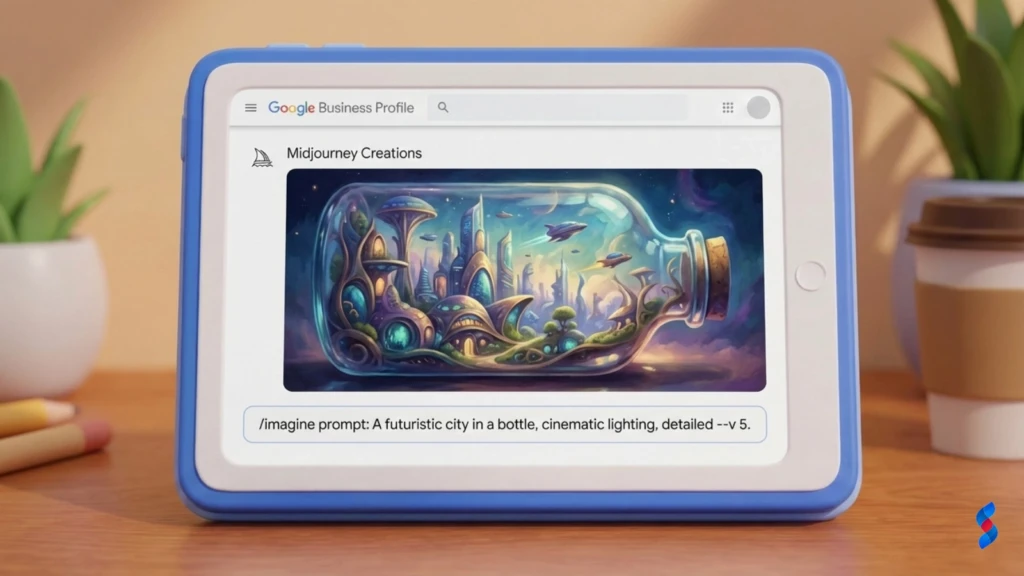
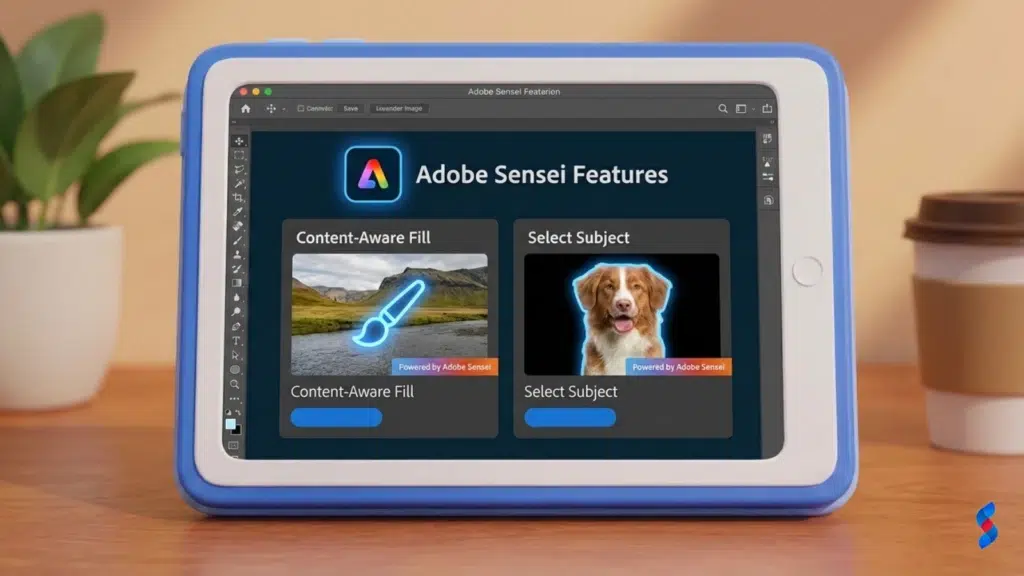
AI in graphic design is not a threat, but an opportunity. By embracing these new tools and learning how to use them effectively, graphic designers can enhance their skills, increase their productivity, and create even more impactful designs.
Several emerging trends are shaping the graphic design future in exciting ways. Staying ahead of these trends is crucial for graphic designers who want to remain competitive and create cutting-edge work. Let’s explore some of the key graphic design trends 2025:
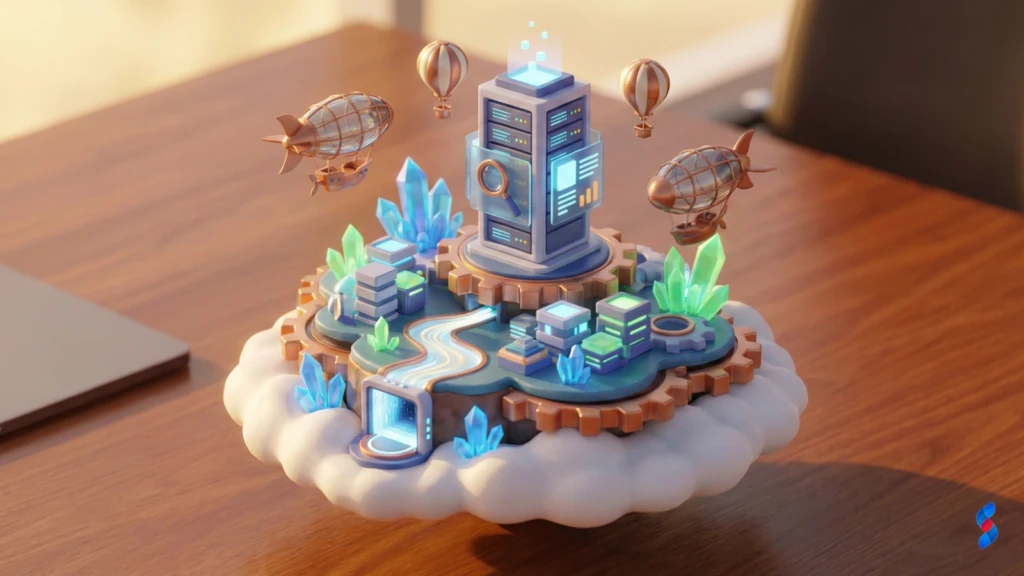
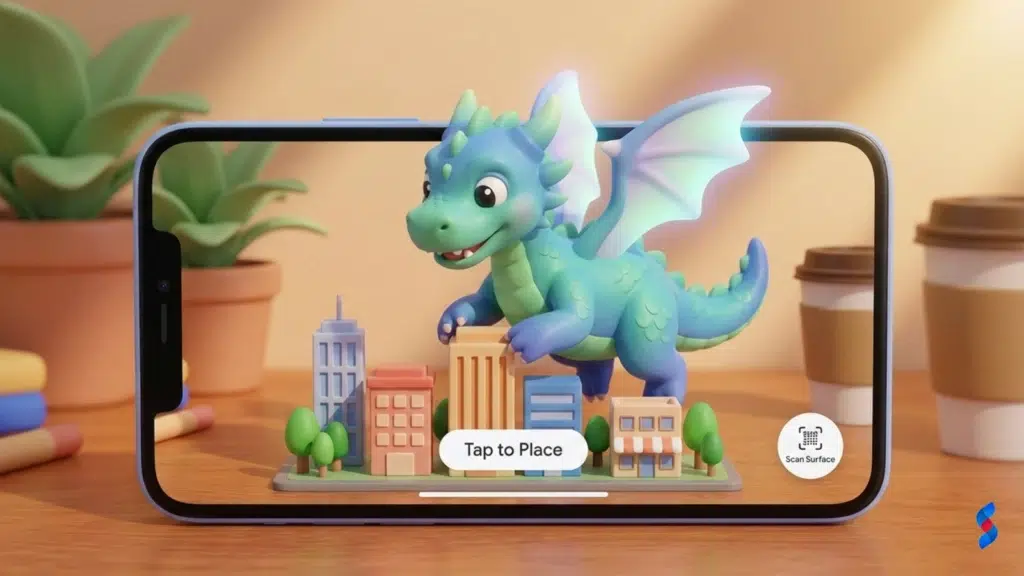
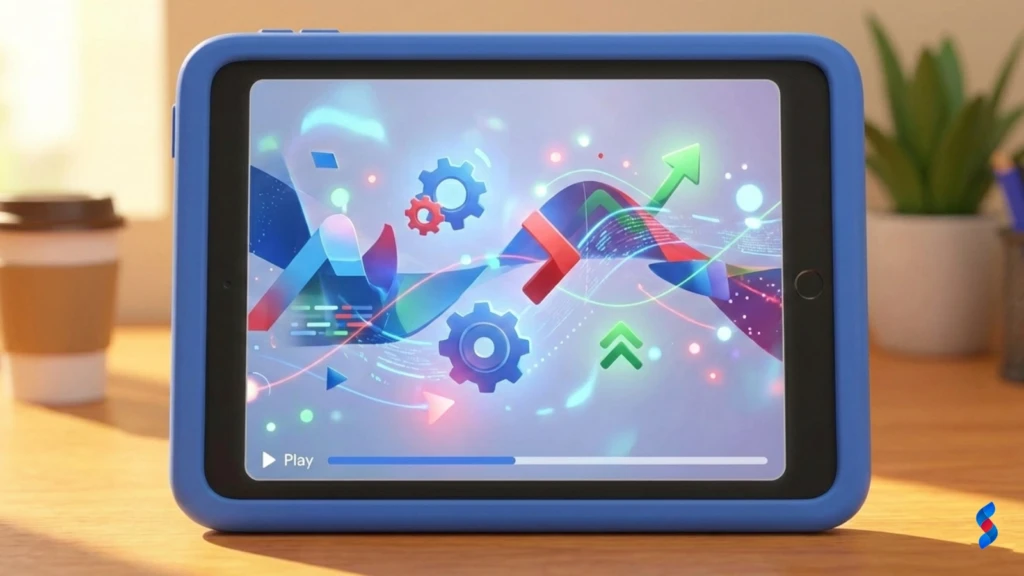
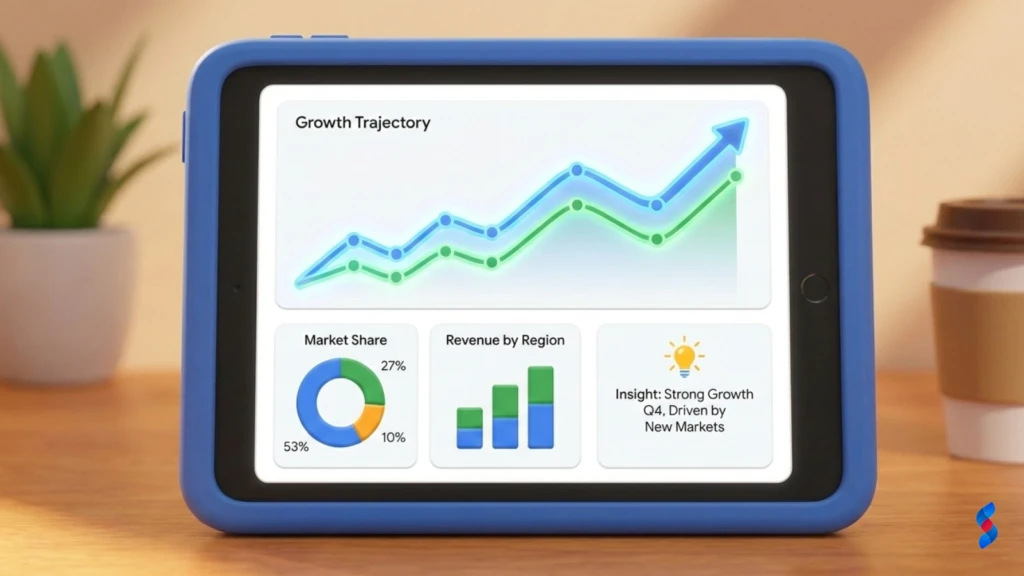
Here’s a table summarizing these trends:
| Trend | Description | Impact on Graphic Design |
|---|---|---|
| 3D Design and Animation | Creating immersive experiences and engaging visuals using 3D software. | Requires designers to learn 3D modeling, texturing, and animation techniques. |
| AR and VR Design | Designing interactive content for augmented and virtual reality platforms. | Demands expertise in UI/UX design for AR/VR environments, 3D modeling, and interaction design. |
| Motion Graphics and Video | Using animated content for storytelling and communication. | Necessitates skills in animation, video editing, and motion design software. |
| Data Visualization | Transforming complex data into understandable and visually appealing graphics. | Involves creating charts, graphs, and infographics to communicate data effectively. |
| Inclusive and Accessible Design | Creating designs that are usable by everyone, including people with disabilities. | Requires designers to follow accessibility guidelines and consider the needs of diverse users. |
Many companies are already embracing these trends. For example, Nike is using 3D design to create realistic product visualizations, while The New York Times is using data visualization to tell compelling stories with data. These examples demonstrate the power of these trends and their potential to transform the graphic design future.
To thrive in the graphic design future, designers need a combination of technical skills, creative abilities, and soft skills. Here are some of the core skills that will be crucial for success:
In addition to these technical skills, soft skills are equally important. Communication, collaboration, problem-solving, and adaptability are essential for working effectively in a team and meeting the changing needs of clients. The design industry outlook favors those with both hard and soft skills.
Here’s a breakdown of the importance of these skills:
Graphic design skills are constantly evolving, but a strong foundation in these core areas will position designers for success in the future.
User experience (UX) and user interface (UI) design have emerged as critical components of the digital landscape. UX design focuses on the overall experience a user has when interacting with a product or service, while UI design focuses on the visual elements and interactive components that make up the interface.
While graphic design traditionally focuses on visual aesthetics and communication, UX/UI design prioritizes usability and user satisfaction. However, these two fields are increasingly intertwined, as a great user experience requires both visually appealing designs and intuitive interfaces.
The demand for UX/UI designers is skyrocketing, driven by the increasing importance of user-centered design in the tech industry. Companies are realizing that a positive user experience is essential for attracting and retaining customers, and they are investing heavily in UX/UI design.
Here’s how UX/UI integrates with graphic design for a holistic user experience:
The rise of UX/UI design has created new opportunities for graphic designers who are willing to expand their skill sets. By learning the principles of UX/UI design, graphic designers can become more valuable and versatile, and they can contribute to creating truly exceptional user experiences. This represents a significant area of growth in digital design careers.
Web design is constantly evolving, driven by changes in technology, user behavior, and design aesthetics. To create effective websites, graphic designers need to stay up-to-date on the latest web design trends. Here are some of the key trends shaping the web design future:
These trends impact the role of graphic designers in several ways. Designers need to be proficient in responsive design techniques, understand the principles of minimalism, and be aware of accessibility guidelines. They also need to be able to create interactive elements and implement dark mode designs.
Here’s a table summarizing these trends and their impact on graphic designers:
| Trend | Description | Impact on Graphic Designers |
|---|---|---|
| Responsive Design | Websites adapt to different screen sizes. | Need to design flexible layouts and optimize images for various devices. |
| Minimalism | Clean, uncluttered designs prioritizing user experience. | Emphasis on typography, white space, and simplified visual elements. |
| Accessibility | Websites usable by people with disabilities. | Must adhere to WCAG guidelines, provide alt text, and ensure sufficient color contrast. |
| Interactive Elements | Animations, micro-interactions, scrolling effects. | Requires skills in animation and UI/UX design to create engaging elements. |
| Dark Mode | Option to switch to a dark color scheme. | Need to design color schemes that work well in both light and dark modes. |
The web design trends emphasize user-centricity, performance, and accessibility. Graphic designers must embrace these trends to create websites that are both visually appealing and highly effective.
The job market for graphic designers is dynamic and competitive. While there are many opportunities available, designers also face challenges in navigating the evolving landscape. Understanding the career paths, opportunities, and challenges is crucial for graphic designers who want to build successful careers.
Graphic designers can pursue various career paths, including:
Each career path has its advantages and disadvantages. Freelancing offers flexibility and independence, while in-house positions provide stability and benefits. Agency work offers exposure to a variety of projects and clients. The design industry outlook is positive for those willing to adapt.
However, graphic designers also face challenges, including:
To overcome these challenges, graphic designers need to:
By embracing these strategies, graphic designers can navigate the challenges and thrive in the dynamic career landscape.
“Visual communication is the language of the future. In a world saturated with information, the ability to communicate effectively through visuals is more important than ever before.” – Paula Scher, Partner at Pentagram
This quote underscores the enduring power of visual communication in the digital age. As the amount of information continues to grow exponentially, the ability to capture attention and convey messages effectively through visuals becomes increasingly critical. Graphic designers play a vital role in shaping how we perceive and interact with the world around us.
To illustrate the impact of graphic design, let’s examine some real-world examples of successful projects:
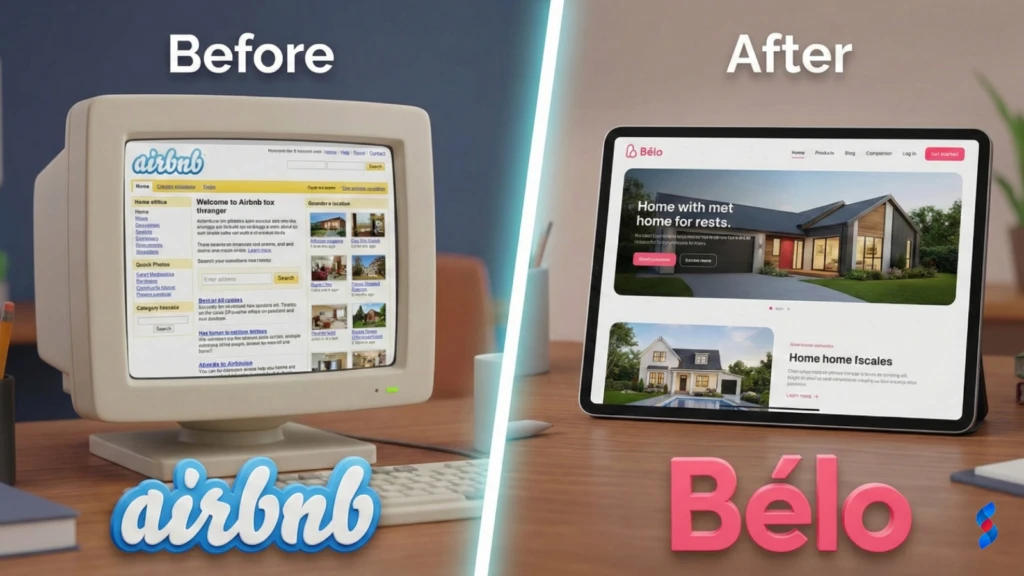
[IMAGE: example-of-mailchimp’s-playful-brand-voice-in-its-marketing-materials]
These case studies demonstrate the role of graphic design in achieving business goals. By creating visually appealing designs, developing strong brand identities, and using data to inform design decisions, graphic designers can help businesses attract customers, increase engagement, and drive growth.
Let’s debunk some common myths and misconceptions about the graphic design future:
Fact: AI is a tool that can assist designers, but it cannot replace human creativity, strategic thinking, and emotional intelligence.
Fact: Graphic design is about communicating effectively, solving problems, and creating user-centered experiences. Aesthetics are important, but they are only one aspect of the design process.
* Fact: While software is essential, it’s only one tool in a designer’s arsenal. Effective graphic design requires a strong understanding of design principles, creative abilities, and problem-solving skills.
By dispelling these misconceptions, we can gain a more realistic understanding of the graphic design future and the skills and knowledge that are required to succeed.
In conclusion, the graphic design future is bright, filled with exciting opportunities for those who are willing to embrace the challenges and adapt to the changing landscape. Technology, particularly AI, is transforming the industry, but it is not eliminating the need for skilled designers. Instead, it is creating new possibilities for creativity, efficiency, and innovation.
By staying up-to-date on the latest trends, developing essential skills, and understanding the evolving needs of clients, graphic designers can thrive in the digital age. The key is to embrace change, continuously learn, and focus on creating visually appealing and user-centered designs that communicate effectively and achieve business goals. We at SkySol Media are ready to help you navigate these changes.
Q: Is graphic design a good career in 2025?
A: Yes, graphic design remains a promising career path in 2025. The demand for visual content continues to grow across various industries, ensuring a need for skilled graphic designers. However, it’s crucial to stay updated with the latest trends and technologies to remain competitive.
Q: How is AI impacting the graphic design future?
A: AI is automating certain design tasks, increasing efficiency, and offering new creative possibilities. While it won’t replace human designers entirely, it’s essential to embrace AI tools and learn how to use them effectively to augment your skills.
Q: What are the most important skills for graphic designers to learn?
A: Essential skills include a strong understanding of design principles, proficiency in design software (like Adobe Creative Suite and Figma), UI/UX design, motion graphics, data visualization, and AI prompt engineering. Soft skills like communication, collaboration, and problem-solving are also crucial.
Q: What is the difference between graphic design and UX/UI design?
A: Graphic design focuses on visual aesthetics and communication, while UX/UI design prioritizes usability and user satisfaction. UX design focuses on the overall user experience, and UI design focuses on the visual elements of the interface. Both fields are intertwined and contribute to a holistic user experience.
Q: What are some of the top web design trends?
A: Key web design trends include responsive design, minimalism and simplicity, accessibility, interactive elements, and dark mode. These trends emphasize user-centricity, performance, and accessibility.
Q: How can I stay competitive in the graphic design field?
A: To stay competitive, focus on continuous learning, networking, and building a strong portfolio. Keep up-to-date with the latest design trends, technologies, and techniques. Showcase your best work and demonstrate your skills and abilities to potential clients or employers.
Q: What are the different career paths for graphic designers?
A: Graphic designers can pursue various career paths, including freelancing, working in-house for a company, or working for a design agency. Each path offers different advantages and disadvantages in terms of flexibility, stability, and exposure to diverse projects.
Q: Is a formal education necessary to become a graphic designer?
A: While a formal education in graphic design can provide a strong foundation, it’s not always a requirement. Many successful graphic designers are self-taught or have gained experience through internships and apprenticeships. However, a formal education can provide a structured learning environment and access to valuable resources and connections.
Q: How important is it to have a strong portfolio?
A: A strong portfolio is crucial for showcasing your skills, style, and experience. It’s your primary tool for attracting clients or securing a job in the graphic design field. Make sure your portfolio is well-organized, visually appealing, and representative of your best work.
Q: What is the role of visual communication in the future?
A: Visual communication is becoming increasingly important in the digital age. The ability to communicate effectively through visuals is essential for capturing attention, conveying messages, and creating engaging experiences. Graphic designers play a vital role in shaping how we perceive and interact with the world around us.

Why a Unique Logo Design Can Make or Break Your Brand in 2025–26
How Professional Graphic Design Boosts Your Brand Identity in 2025–26
Top 10 Reasons to Outsource Your Graphic Design Needs Today