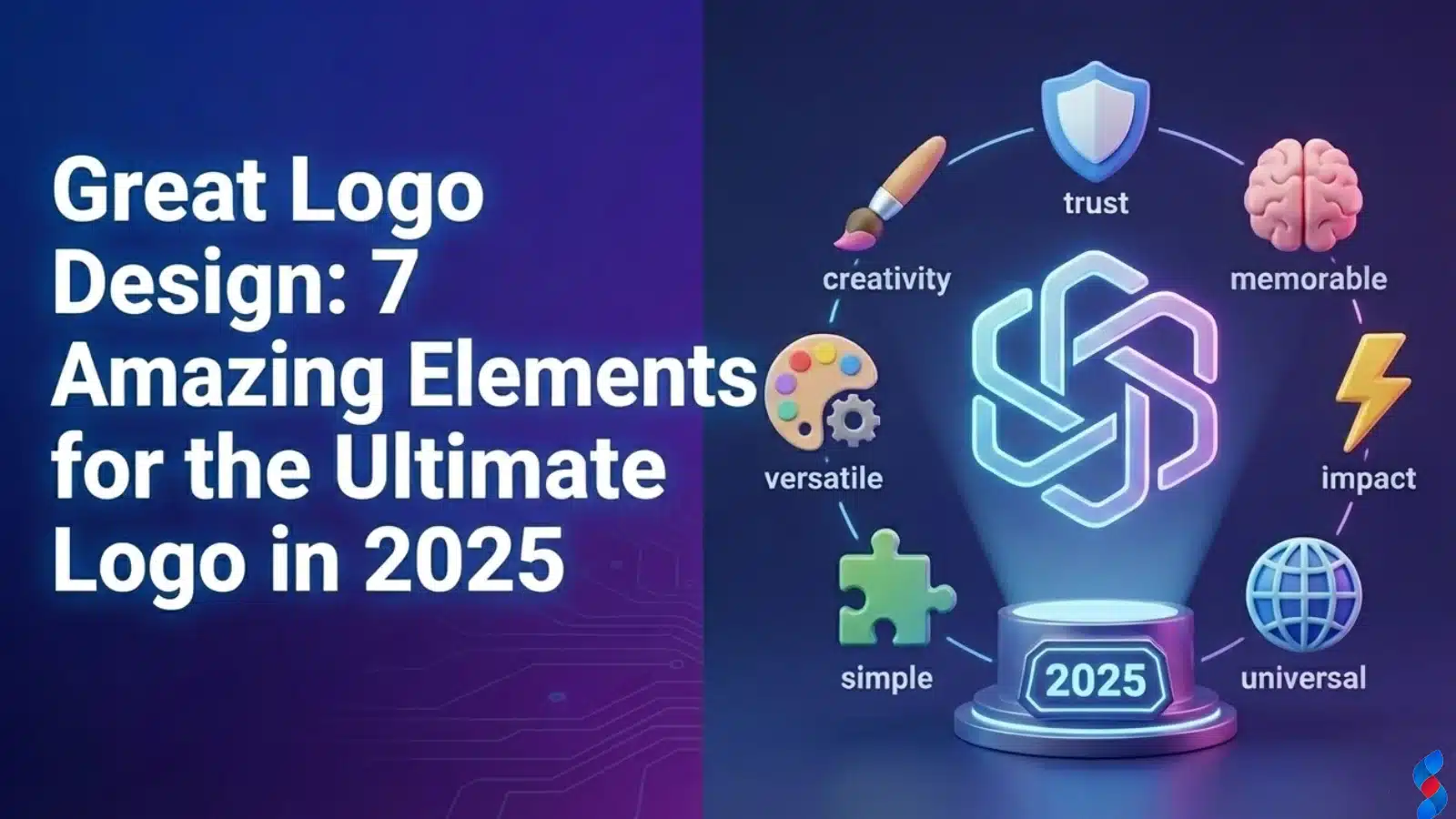
In the competitive business landscape of 2025, great logo design is more critical than ever. A well-crafted logo serves as the cornerstone of your brand identity, communicating your values and creating a lasting impression on your target audience. It’s not just an image; it’s the visual representation of your entire business, and it must resonate with your core message. This article explores the essential elements that contribute to an ultimate, effective logo.
1. ✅ Simplicity is Key
Simplicity is paramount in great logo design. A clean, uncluttered logo is easier to remember, recognize, and reproduce across various platforms. Complex designs often get lost in translation, particularly when scaled down for mobile devices or printed on small materials. By stripping away unnecessary elements, you can create a powerful and impactful visual that speaks volumes. This is one of the most enduring logo design tips we offer to our clients.
1.1. Why Simple Logos Resonate
Simple logos resonate because they are easier for the human brain to process and recall. In a world bombarded with visual stimuli, a straightforward design cuts through the noise. A simple logo can quickly communicate the essence of your brand without overwhelming the viewer, making it more likely to stick in their memory.
1.2. Examples of Iconic Simple Logos (Apple, Nike)
Consider the Apple logo, a simple bitten apple silhouette. Its simplicity makes it instantly recognizable worldwide, transcending language and cultural barriers. Similarly, the Nike swoosh is a minimalist mark that conveys motion and athleticism. These logos prove that great logo design doesn’t require intricate details to be effective; it just needs to be memorable and representative of the brand.
1.3. Avoiding Over-Complication in Design
Over-complicating your logo design can dilute its impact and make it harder to understand. Resist the urge to cram too many elements, colors, or fonts into your logo. Each element should serve a purpose, and if it doesn’t, it should be removed. Focus on conveying your brand’s message with clarity and precision.
1.4. The Power of Minimalism
Minimalism in logo creation is a powerful approach that emphasizes essential elements. By using negative space, clean lines, and a limited color palette, you can create a sophisticated and timeless design. Minimalist logos often convey a sense of elegance and modernity, making them a popular choice for brands that want to project a sleek and contemporary image.
2. 💡 Memorability Matters
A memorable logo is crucial for building brand recognition and loyalty. If your logo doesn’t stick in people’s minds, it’s unlikely they’ll remember your brand when making purchasing decisions. A memorable logo helps your brand stand out from the competition and creates a lasting connection with your target audience. It’s one of the most essential logo design principles.
2.1. Creating a Lasting Impression
To create a lasting impression, your logo should be unique, distinctive, and relevant to your brand. It should capture the essence of your brand’s personality and values. Consider incorporating elements that are specific to your industry or target audience to make your logo more relatable and memorable.
2.2. Unique Design Elements and their Impact
Unique design elements can significantly enhance the memorability of your logo. This could include a distinctive shape, a clever use of negative space, or an unexpected color combination. These elements help your logo stand out from the crowd and create a visual hook that grabs attention.
2.3. Testing Your Logo’s Memorability
Testing your logo’s memorability is an essential step in the design process. Show your logo to a group of people who are unfamiliar with your brand and ask them to describe it after a short period. If they can accurately recall the key elements of your logo, it’s a good sign that it’s memorable.
2.4. The Association Between Brand and Logo
The association between your brand and logo should be strong and clear. Your logo should immediately evoke the values, personality, and products or services that your brand offers. A well-designed logo can create an emotional connection with your audience, fostering brand loyalty and advocacy.
3. ➡️ Timeless Design Principles
Timeless design principles ensure that your logo remains relevant and effective for years to come. By avoiding fleeting trends and fads, you can create a logo that stands the test of time. A timeless logo is a valuable asset for your brand, as it builds recognition and consistency over the long term.
3.1. Avoiding Trends and Fads
Trends and fads come and go, but a great logo design should be built to last. Avoid incorporating design elements that are currently popular but likely to become dated in the future. Focus on creating a logo that is rooted in fundamental design principles and reflects the core values of your brand.
3.2. Long-Term Brand Relevance
Long-term brand relevance is crucial for building a strong and enduring brand. Your logo should be able to adapt to changes in your industry and market without losing its core identity. Consider how your logo will be perceived in the future and ensure that it remains relevant to your target audience.
3.3. Adapting to Future Design Changes
While your logo should be timeless, it’s also important to be prepared for future design changes. Technology and consumer preferences evolve over time, and your logo may need to be updated to remain current. However, any changes should be subtle and maintain the core elements that make your logo recognizable. We always recommend our clients to create a flexible design system that can evolve over time.
3.4. How To Maintain Authenticity
Maintaining authenticity is key to preserving the integrity of your brand. Your logo should accurately reflect your brand’s values, personality, and mission. Avoid copying or imitating other logos, as this can damage your brand’s credibility and reputation. Stay true to your brand’s identity and create a logo that is unique and authentic.
4. ✨ Versatility Across Platforms
Versatility is essential for a great logo design, ensuring it looks good across various platforms and mediums. Your logo should be scalable, adaptable, and maintain its integrity whether it’s displayed on a website, printed on a business card, or used in social media. A versatile logo maximizes your brand’s visibility and impact.
4.1. Scalability for Different Sizes
Scalability refers to the ability of your logo to maintain its clarity and legibility at different sizes. A well-designed logo should look equally good whether it’s displayed on a large billboard or a small favicon. Avoid using fine details or intricate patterns that may become blurred or distorted when scaled down.
4.2. Adaptability for Digital and Print
Adaptability for digital and print is crucial for ensuring that your logo looks its best in all contexts. Colors may appear differently on screen than they do in print, so it’s important to choose colors that translate well across both mediums. Also, consider creating variations of your logo for different backgrounds and applications.
4.3. Maintaining Integrity on Social Media
Maintaining integrity on social media is essential for building a consistent brand presence. Your logo should be optimized for the specific dimensions and formats required by each social media platform. Ensure that your logo is clear, legible, and recognizable, even in small profile pictures or cover images.
4.4. Optimizing for Mobile Devices
Optimizing for mobile devices is crucial in today’s mobile-first world. A significant portion of online traffic comes from mobile devices, so it’s important to ensure that your logo looks good on smartphones and tablets. Use a responsive design approach that automatically adjusts your logo’s size and layout to fit different screen sizes.
5. 🎨 Strategic Color Palette
A strategic color palette can evoke specific emotions, convey your brand’s personality, and create a visual connection with your target audience. Choosing the right colors is essential for creating a visual identity that is both memorable and effective. Understand the psychology of color and how it can influence consumer behavior.
5.1. The Psychology of Color
The psychology of color explores how different colors can affect human emotions and perceptions. For example, blue is often associated with trust, stability, and professionalism, while red is associated with energy, excitement, and passion. Understanding these associations can help you choose colors that align with your brand’s values and message.
5.2. Choosing Colors That Reflect Your Brand
Choosing colors that reflect your brand is essential for creating a cohesive and authentic brand identity. Consider your brand’s personality, values, and target audience when selecting your color palette. Choose colors that resonate with your target audience and communicate the essence of your brand.
5.3. Limiting Your Color Choices
Limiting your color choices can help create a more cohesive and visually appealing logo. A logo with too many colors can appear cluttered and overwhelming. Aim for a maximum of three colors in your logo, and ensure that they complement each other harmoniously.
5.4. Accessibility Considerations (Contrast)
Accessibility considerations, particularly contrast, are crucial for ensuring that your logo is legible and usable by everyone. People with visual impairments may have difficulty reading text or distinguishing between colors with low contrast. Ensure that your logo has sufficient contrast between the text and background to make it accessible to all users.
6. 🖋️ Effective Typography Choices
Effective typography choices play a significant role in the overall aesthetic and readability of your logo. Selecting the right fonts can enhance your logo’s visual appeal, communicate your brand’s personality, and ensure that your message is clear and legible. Typography is a core element of a logo design guide.
6.1. Selecting Readable Fonts
Selecting readable fonts is essential for ensuring that your logo is easily understood. Avoid using overly stylized or decorative fonts that may be difficult to read, especially at small sizes. Choose fonts that are clear, legible, and appropriate for your brand’s identity.
6.2. Font Pairing Strategies
Font pairing strategies involve combining different fonts to create a visually appealing and balanced design. When pairing fonts, choose fonts that complement each other and create a harmonious contrast. Avoid using fonts that are too similar or that clash with each other.
6.3. Considering Font Licensing
Considering font licensing is crucial for ensuring that you have the legal right to use the fonts in your logo. Some fonts are free to use for personal and commercial purposes, while others require a license. Ensure that you understand the licensing terms of the fonts you use and obtain the necessary permissions.
6.4. Kerning and Leading for Visual Appeal
Kerning and leading are typographic adjustments that can significantly enhance the visual appeal of your logo. Kerning refers to the spacing between individual letters, while leading refers to the spacing between lines of text. Adjusting these settings can improve the readability and overall aesthetic of your logo.
7. 🎯 Target Audience Alignment
Target audience alignment ensures that your logo resonates with the people you are trying to reach. Understanding your audience’s preferences, tastes, and values is essential for creating a logo that appeals to them and creates a strong connection.
7.1. Understanding Your Audience’s Preferences
Understanding your audience’s preferences involves researching their demographics, psychographics, and behaviors. This information can help you identify design elements that are likely to resonate with them, such as colors, fonts, and imagery.
7.2. Tailoring Your Logo to Their Taste
Tailoring your logo to their taste involves incorporating design elements that align with their preferences and values. For example, if your target audience values sustainability, you might choose to use eco-friendly colors and materials in your logo.
7.3. Researching Industry Trends
Researching industry trends can help you identify design styles and elements that are currently popular in your industry. This information can help you create a logo that is modern, relevant, and appealing to your target audience.
7.4. Gathering Feedback on Your Design
Gathering feedback on your design is an essential step in the logo design process. Show your logo to a representative sample of your target audience and ask for their opinions and suggestions. Use their feedback to refine your design and ensure that it resonates with them.
8. Balancing Creativity with Functionality
Balancing creativity with functionality is crucial for creating a logo that is both visually appealing and practical for business needs. A logo should be creative and memorable, but it should also be functional and adaptable to various applications.
8.1. Ensuring the Logo is Practical for Business Needs
Ensuring the logo is practical for business needs involves considering how it will be used in different contexts, such as on business cards, websites, and marketing materials. The logo should be scalable, legible, and maintain its integrity across all platforms.
8.2. How to Incorporate Creative Elements Without Sacrificing Function
Incorporating creative elements without sacrificing function requires careful planning and execution. Creative elements can enhance the visual appeal of the logo, but they should not detract from its readability or usability. Use creative elements sparingly and ensure that they serve a purpose.
8.3. Testing the Logo in Real-World Applications (mockups)
Testing the logo in real-world applications, such as mockups, is an essential step in the design process. Mockups allow you to visualize how the logo will look in different contexts and identify any potential issues or areas for improvement.
8.4. Getting Feedback from Potential Customers
Getting feedback from potential customers is crucial for ensuring that the logo resonates with your target audience. Show the logo to a representative sample of your target audience and ask for their opinions and suggestions. Use their feedback to refine the design and ensure that it is effective and appealing.
9. Legal Considerations and Trademarking
Legal considerations and trademarking are essential for protecting your brand identity and preventing others from using your logo without your permission. Trademarking your logo gives you the exclusive right to use it in connection with your goods or services.
9.1. Ensuring the Logo Does Not Infringe on Existing Trademarks
Ensuring the logo does not infringe on existing trademarks is crucial for avoiding legal disputes. Before finalizing your logo design, conduct a thorough trademark search to ensure that it does not resemble any existing trademarks in your industry.
9.2. The Importance of Trademark Registration
The importance of trademark registration cannot be overstated. Trademark registration gives you the exclusive right to use your logo in connection with your goods or services. It also provides legal protection against infringement, allowing you to take action against others who use your logo without your permission.
9.3. Protecting Your Brand Identity
Protecting your brand identity is essential for building a strong and enduring brand. Trademark registration is a key step in protecting your brand identity, as it gives you the legal right to prevent others from using your logo or a similar mark.
9.4. Conducting a Comprehensive Trademark Search
Conducting a comprehensive trademark search is crucial for identifying any potential conflicts with existing trademarks. A trademark search should include a review of both registered and unregistered trademarks in your industry.
10. The Importance of a Strong Brand Story
The importance of a strong brand story lies in its ability to connect with your audience on an emotional level. A well-crafted brand story can communicate your values, mission, and personality, creating a lasting impression and fostering brand loyalty.
10.1. Communicating Your Brand Values Through the Logo
Communicating your brand values through the logo involves incorporating design elements that reflect your core beliefs and principles. For example, if your brand values sustainability, you might choose to use eco-friendly colors and materials in your logo.
10.2. How to Align Your Logo with Your Brand Message
How to align your logo with your brand message involves ensuring that your logo accurately reflects your brand’s personality, values, and mission. The logo should be a visual representation of your brand’s story and should resonate with your target audience.
10.3. Creating an Emotional Connection with Your Audience
Creating an emotional connection with your audience is crucial for building brand loyalty and advocacy. A logo that evokes positive emotions can create a strong connection with your audience, making them more likely to choose your brand over the competition.
10.4. Making Your Logo a Symbol of Trust
Making your logo a symbol of trust involves building a reputation for quality, reliability, and integrity. Over time, your logo will become associated with your brand’s values and reputation, making it a symbol of trust and confidence for your customers. This is what builds a lasting brand identity.
11. Learning from Successful Logo Redesigns
Learning from successful logo redesigns can provide valuable insights into what makes a logo effective and how to update it to remain relevant. Analyzing famous logo transformations can reveal the reasons behind major redesigns and the key takeaways from both successful and unsuccessful redesigns.
11.1. Analyzing Famous Logo Transformations
Analyzing famous logo transformations can provide valuable lessons in effective logo design. For example, many brands have simplified their logos over time to make them more scalable and adaptable to digital platforms.
11.2. The Reasons Behind Major Redesigns
The reasons behind major redesigns can vary, but often include a desire to modernize the logo, reflect a change in the brand’s mission or values, or address issues with scalability or legibility.
11.3. Key Takeaways from Successful and Unsuccessful Redesigns
Key takeaways from successful and unsuccessful redesigns include the importance of maintaining brand recognition, avoiding overly drastic changes, and ensuring that the redesigned logo is consistent with the brand’s overall identity.
11.4. Recognizing the Need for a Logo Refresh
Recognizing the need for a logo refresh is crucial for ensuring that your logo remains relevant and effective. Signs that your logo may need a refresh include a dated appearance, issues with scalability or legibility, or a change in your brand’s mission or values.
12. Resources for Logo Design Inspiration
Resources for logo design inspiration are abundant, ranging from online galleries and platforms to design books and magazines. Connecting with other designers can also provide valuable inspiration and feedback.
12.1. Online Galleries and Platforms
Online galleries and platforms, such as Dribbble and Behance, are excellent resources for finding logo design inspiration. These platforms showcase the work of talented designers from around the world and can provide a wealth of ideas and inspiration.
12.2. Design Books and Magazines
Design books and magazines, such as “Logo Modernism” and “Communication Arts,” can provide in-depth analysis and examples of great logo design. These resources can help you understand the principles of effective logo design and learn from the work of successful designers.
12.3. Tools and Software for Logo Creation
Tools and software for logo creation range from simple online logo makers to professional design software. Popular options include Adobe Illustrator, Adobe Photoshop, and Canva.
12.4. Connecting with Other Designers
Connecting with other designers can provide valuable inspiration and feedback. Online communities, design conferences, and networking events are all great ways to connect with other designers and learn from their experiences.
Conclusion
Creating a great logo design requires a blend of creativity, strategy, and attention to detail. By focusing on simplicity, memorability, timelessness, and versatility, you can create a logo that effectively represents your brand and resonates with your target audience. Remember to consider legal aspects, gather feedback, and stay inspired by the world around you. A well-designed logo is an investment in your brand’s future, and it’s essential to get it right. At SkySol Media, we’re dedicated to helping businesses create impactful visual identities that drive results. We leverage our expertise to build brand identity that works.
FAQ Section
Q: What are the most important elements of a great logo design?
A: The most important elements include simplicity, memorability, timelessness, versatility, strategic color palette, effective typography, and target audience alignment.
Q: How can I ensure my logo is memorable?
A: To ensure your logo is memorable, focus on creating a unique and distinctive design that captures the essence of your brand. Use unique design elements, test your logo’s memorability, and create a strong association between your brand and logo.
Q: How can I make my logo timeless?
A: To make your logo timeless, avoid trends and fads, focus on long-term brand relevance, and be prepared to adapt to future design changes. Maintain authenticity and stay true to your brand’s identity.
Q: Why is versatility important in logo design?
A: Versatility is important because your logo will be used across various platforms and mediums, including websites, business cards, and social media. A versatile logo should be scalable, adaptable, and maintain its integrity across all applications.
Q: How do I choose the right colors for my logo?
A: Choose colors that reflect your brand’s personality, values, and target audience. Consider the psychology of color and how different colors can affect human emotions and perceptions. Limit your color choices and ensure that your logo has sufficient contrast for accessibility.
Q: What fonts should I use in my logo?
A: Select readable fonts that are clear, legible, and appropriate for your brand’s identity. Consider font pairing strategies and ensure that you have the necessary licensing for the fonts you use.
Q: How can I ensure my logo resonates with my target audience?
A: Understand your audience’s preferences, tailor your logo to their taste, research industry trends, and gather feedback on your design.
Q: Why is it important to balance creativity with functionality?
A: Balancing creativity with functionality is crucial for creating a logo that is both visually appealing and practical for business needs. The logo should be creative and memorable, but it should also be functional and adaptable to various applications.
Q: What legal considerations should I keep in mind when designing a logo?
A: Ensure that your logo does not infringe on existing trademarks and register your trademark to protect your brand identity. Conduct a comprehensive trademark search to identify any potential conflicts.
Q: How important is a strong brand story?
A: A strong brand story is crucial for connecting with your audience on an emotional level. Your logo should communicate your brand values, align with your brand message, and create an emotional connection with your audience.