Local SEO: Proven Ways to Thrive in 2026 Recession
Discover proven strategies for leveraging Local SEO to not only survive but thrive during a recession. Learn advanced techniques to attract local customers and boost your business when it matters most.
Local SEO is a crucial strategy for businesses, especially when navigating economic downturns. In times of recession, when every marketing dollar counts, a well-executed local SEO strategy can be the key to not just surviving, but thriving. This comprehensive guide will provide you with proven methods to optimize your local SEO efforts and ensure your business remains visible and competitive.
Introduction: Understanding the Power of Local SEO in Economic Downturns
The Critical Role of Local SEO During a Recession
Recessions force businesses to tighten their belts and focus on strategies that deliver the most significant return on investment. Local SEO, when done correctly, offers a high ROI by targeting customers actively searching for your products or services in your immediate area. This targeted approach ensures that your marketing efforts are reaching the most receptive audience, maximizing your chances of customer acquisition even in a challenging economic climate.
During an economic downturn, consumers tend to become more price-conscious and are more likely to support local businesses that offer convenience and value. Local SEO helps you capitalize on this trend by making your business easily discoverable to these local customers. By optimizing your online presence for local search, you can attract customers who are actively looking for solutions in your area, providing a much-needed boost to your bottom line.
Why Local SEO Matters More Than Ever in Economic Uncertainty
In times of economic uncertainty, traditional marketing methods may become less effective due to reduced consumer spending and increased competition. However, local SEO remains a powerful tool because it focuses on attracting customers with immediate needs and a higher likelihood of conversion. Local SEO helps you stand out from the crowd and capture a larger share of the local market, which is essential for sustaining your business through tough times.
Furthermore, local SEO is often more cost-effective than broader marketing campaigns. Instead of casting a wide net, local SEO allows you to concentrate your resources on specific geographic areas and customer segments, resulting in a higher conversion rate and a better return on investment. This makes it an ideal strategy for businesses looking to maximize their marketing budget during a recession.
Setting the Stage: Our Comprehensive Guide to Recession-Proofing Your Business
This guide is designed to provide you with a step-by-step approach to leveraging local SEO for recession-proofing your business. We will cover everything from the fundamentals of local SEO to advanced strategies for optimizing your online presence, building local citations, and adapting your approach to a changing economic landscape. By following the advice in this guide, you can ensure that your business remains visible, competitive, and resilient, even in the face of economic challenges. We at SkySol Media have found that businesses that proactively invest in local SEO are better positioned to weather the storm and emerge stronger on the other side.
The Fundamentals of Local SEO: A Quick Refresher
What is Local SEO and How Does it Work?
Local SEO, at its core, is the practice of optimizing your online presence to attract customers from relevant local searches. Unlike traditional SEO, which focuses on ranking for broader, nationwide keywords, local SEO aims to improve your visibility in local search results, such as Google’s local pack (the map listings) and localized organic search results. When someone searches for “pizza near me” or “best plumber in [your city],” local SEO ensures that your business appears prominently in those results.
Local SEO works by signaling to search engines like Google that your business is relevant to specific geographic areas and customer needs. This involves optimizing your website, Google Business Profile, local citations, and online reviews to provide search engines with accurate and consistent information about your business. The more relevant and authoritative your online presence, the higher your chances of ranking well in local search results.
Key Ranking Factors in Local Search
Several factors influence your local search rankings, and understanding these factors is crucial for developing an effective local SEO strategy. The most important ranking factors include:
Relevance: How well your business matches the searcher’s intent. This is determined by the keywords you use on your website, in your Google Business Profile, and in your online content.
Distance: How close your business is to the searcher’s location. Google prioritizes businesses that are physically located near the searcher.
Prominence: How well-known and reputable your business is. This is influenced by factors such as online reviews, local citations, and overall online presence.
Other important ranking factors include the quality and accuracy of your Google Business Profile, the consistency of your NAP (Name, Address, Phone Number) information across the web, and the overall user experience of your website. By optimizing these factors, you can significantly improve your local search rankings and attract more customers.
The Importance of NAP Consistency (Name, Address, Phone Number)
NAP consistency is the foundation of any successful local SEO strategy. NAP stands for Name, Address, and Phone Number, and it refers to the basic information about your business that should be consistent across all online platforms. Search engines use NAP information to verify the legitimacy of your business and to determine its relevance to local search queries.
Inconsistent NAP information can confuse search engines and customers, leading to lower search rankings and lost business opportunities. For example, if your business name is listed differently on your website, Google Business Profile, and local citations, search engines may struggle to determine which information is correct. This can negatively impact your visibility in local search results and make it harder for customers to find you.
To ensure NAP consistency, it’s essential to audit your online presence and identify any inconsistencies or inaccuracies. Once you’ve identified any issues, you should update your NAP information across all platforms, including your website, Google Business Profile, local citations, and social media profiles. Maintaining consistent NAP information is a simple but crucial step in building a strong local SEO foundation.
Optimizing Your Google Business Profile (GBP) for Maximum Impact
Claiming and Verifying Your GBP Listing: A Step-by-Step Guide
Your Google Business Profile (GBP) is one of the most important assets for local SEO. It’s the first thing potential customers see when they search for your business or related services on Google. Claiming and verifying your GBP listing is the first step to ensuring that your business is accurately represented and visible in local search results.
Here’s a step-by-step guide to claiming and verifying your GBP listing:
1. Search for Your Business on Google: Start by searching for your business name on Google. If your business already has a GBP listing, it will appear in the search results.
2. Claim Your Listing: If you find your business listing, click on the “Claim this business” or “Own this business?” link. This will initiate the claiming process.
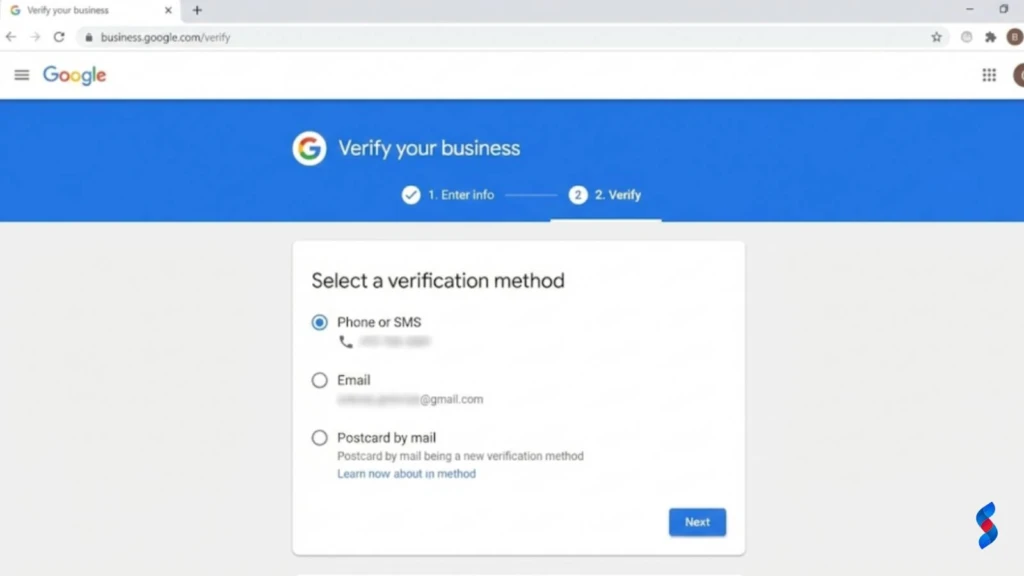
3. Verify Your Listing: Google will require you to verify that you are the rightful owner of the business. This can be done through several methods, including phone verification, email verification, or postcard verification.
4. Follow the Verification Instructions: Choose the verification method that works best for you and follow the instructions provided by Google. Once you’ve completed the verification process, your GBP listing will be officially claimed and verified.
Optimizing Your GBP Profile Details: Categories, Attributes, and Services
Once you’ve claimed and verified your GBP listing, the next step is to optimize your profile details to ensure that it accurately represents your business and attracts potential customers. This includes selecting the right categories, adding relevant attributes, and listing your services.
Categories: Choosing the right categories is crucial for telling Google what your business does. Select the primary category that best describes your business and then add additional categories that are relevant to your offerings.
Attributes: Attributes provide additional information about your business, such as whether you offer wheelchair access, free Wi-Fi, or outdoor seating. Adding relevant attributes can help you attract customers who are looking for specific amenities.
Services: Listing your services in detail can help you attract customers who are searching for specific offerings. Be sure to include detailed descriptions and pricing information, where applicable.
By optimizing your GBP profile details, you can improve your visibility in local search results and attract more customers to your business.
Leveraging GBP Posts, Q&A, and Messaging for Customer Engagement
Your Google Business Profile offers several features that can help you engage with customers and build relationships. These features include GBP Posts, Q&A, and Messaging.
GBP Posts: GBP Posts allow you to share updates, promotions, and events with your customers directly on Google. Use GBP Posts to keep your customers informed about what’s happening at your business and to attract new customers with special offers.
Q&A: The Q&A section allows customers to ask questions about your business and receive answers from you or other customers. Monitor the Q&A section regularly and respond to questions promptly and accurately.
Messaging: The Messaging feature allows customers to contact you directly through your Google Business Profile. Respond to messages promptly and professionally to provide excellent customer service and build relationships.
By leveraging these features, you can create a more engaging and informative Google Business Profile that attracts customers and builds loyalty.
The Power of Google Business Profile Reviews: Getting and Responding
Online reviews are a critical factor in local SEO. Positive reviews can boost your search rankings, attract new customers, and build trust in your brand. Conversely, negative reviews can damage your reputation and deter potential customers.
Encouraging customers to leave reviews on your Google Business Profile is essential for building a strong online reputation. Here are some strategies for getting more reviews:
Ask for Reviews: Simply asking your customers to leave a review can be surprisingly effective. Train your staff to ask for reviews after a positive customer experience.
Make it Easy: Provide customers with a direct link to your Google Business Profile review page. This makes it easy for them to leave a review without having to search for your business on Google.
Respond to Reviews: Responding to both positive and negative reviews shows that you value customer feedback and are committed to providing excellent service.
“Online reviews are the new word-of-mouth marketing. They can make or break a local business.” – John Smith, Local SEO Expert
Mastering Local Keyword Research for Recessionary Times
Identifying High-Intent Local Keywords Relevant to Your Business
Keyword research is a fundamental aspect of any successful local SEO strategy. Identifying the right keywords can help you attract customers who are actively searching for your products or services in your area. During a recession, it’s even more critical to focus on high-intent keywords that indicate a strong likelihood of conversion.
High-intent keywords are those that suggest the searcher is ready to make a purchase or take a specific action, such as “buy,” “order,” or “find.” Examples of high-intent local keywords include “buy pizza near me,” “order flowers in [city],” and “find a plumber in [city].”
To identify high-intent local keywords relevant to your business, consider the following:
Think Like Your Customers: What words and phrases would your customers use when searching for your products or services?
Focus on Specific Needs: During a recession, customers may be looking for specific solutions or deals. Target keywords that reflect these needs, such as “cheap haircuts near me” or “affordable car repair in [city].”
Using Keyword Research Tools to Find Untapped Opportunities
Keyword research tools can help you identify untapped opportunities and gain insights into what your customers are searching for. Several popular keyword research tools are available, including:
Google Keyword Planner: A free tool from Google that allows you to research keywords, analyze search volume, and get keyword suggestions.
SEMrush: A comprehensive SEO tool that offers a wide range of features, including keyword research, competitor analysis, and site auditing.
Ahrefs: Another popular SEO tool that provides detailed keyword data, backlink analysis, and content research capabilities.
When using these tools, focus on finding local keywords with high search volume and low competition. These keywords represent untapped opportunities to attract customers to your business.
Analyzing Competitor Keywords to Gain an Edge
Analyzing your competitor’s keywords can provide valuable insights into what’s working in your industry and help you identify new keyword opportunities. Use keyword research tools to analyze your competitor’s website and identify the keywords they are targeting.
Pay attention to the keywords that your competitors are ranking for in local search results. These keywords are likely to be relevant to your business as well. Also, look for keywords that your competitors may be missing. These represent opportunities for you to gain an edge and attract customers who are searching for those keywords.
Long-Tail Keywords: Targeting Specific Customer Needs During a Recession
Long-tail keywords are longer, more specific phrases that customers use when searching for something very specific. These keywords often have lower search volume but can be highly effective at attracting customers who are further along in the buying process.
During a recession, customers may be more likely to use long-tail keywords when searching for specific solutions or deals. For example, instead of searching for “pizza,” they may search for “gluten-free pizza delivery near me” or “pizza deals for families in [city].”
Targeting long-tail keywords can help you attract customers who are looking for exactly what you offer. This can lead to higher conversion rates and a better return on investment.
Building High-Quality Local Citations to Boost Authority
Understanding the Value of Local Citations for SEO
Local citations are online mentions of your business’s name, address, and phone number (NAP) on websites other than your own. These citations serve as validation of your business’s existence and can significantly impact your local search rankings. Citations help search engines verify your business’s information and improve its prominence in local search results.
Think of local citations as digital “votes” for your business. The more citations you have, and the higher the quality of those citations, the more authoritative your business will appear to search engines. This increased authority can lead to higher search rankings and more customers finding your business online.
Identifying Key Citation Sources for Your Industry and Location
Not all citations are created equal. Some citations are more valuable than others, depending on the industry and location of your business. Identifying the key citation sources for your industry and location is crucial for building a strong citation profile.
General citation sources, such as Yelp, Yellow Pages, and Better Business Bureau, are important for all businesses. However, industry-specific citation sources, such as trade associations and industry directories, can be even more valuable. Similarly, location-specific citation sources, such as local chambers of commerce and community websites, can help you establish your business as a local authority.
To identify key citation sources for your business, research your competitors and see where they are listed. Also, use online search tools to find industry-specific and location-specific directories and websites.
Strategies for Building and Maintaining Accurate Citations
Building and maintaining accurate citations is an ongoing process. It requires a proactive approach and attention to detail. Here are some strategies for building and maintaining accurate citations:
Start with the Basics: Ensure that your NAP information is consistent across all online platforms, including your website, Google Business Profile, and social media profiles.
Focus on Quality: Prioritize building citations on high-quality, authoritative websites. These citations will have a greater impact on your search rankings.
Be Consistent: Use the same NAP information for all of your citations. Inconsistent information can confuse search engines and customers.
Monitor Your Citations: Regularly monitor your citations to ensure that they are accurate and up-to-date. Use online tools to scan the web for mentions of your business and identify any inconsistencies.
Monitoring and Cleaning Up Inconsistent or Duplicate Citations
Inconsistent or duplicate citations can negatively impact your local search rankings. It’s essential to monitor your citations regularly and clean up any inconsistencies or duplicates.
Use online tools to scan the web for mentions of your business and identify any inconsistencies or duplicates. If you find any issues, contact the website owner and request that they correct the information. In some cases, you may need to create a new citation with the correct information to replace the incorrect one.
Maintaining accurate and consistent citations is a crucial aspect of local SEO. It can help you improve your search rankings, attract more customers, and build trust in your brand.
On-Page Optimization Strategies for Local Businesses
Optimizing Your Website’s Homepage for Local Search
Your website’s homepage is often the first impression potential customers have of your business. Optimizing your homepage for local search is essential for attracting customers who are searching for your products or services in your area.
Here are some strategies for optimizing your website’s homepage for local search:
Include Your NAP Information: Prominently display your business’s name, address, and phone number on your homepage. This makes it easy for customers to find your contact information and helps search engines verify your business’s location.
Use Local Keywords: Incorporate local keywords into your homepage content, including your headings, body text, and image alt tags. This helps search engines understand the geographic focus of your business.
Create Compelling Content: Write compelling and informative content that highlights the benefits of your products or services. Focus on solving customer problems and providing value.
Include a Map: Embed a Google Map of your business location on your homepage. This makes it easy for customers to find your business and provides a visual representation of your location.
Creating Location-Specific Landing Pages for Targeted Keywords
Location-specific landing pages are pages on your website that are dedicated to specific geographic areas or customer segments. These pages can be highly effective at attracting customers who are searching for your products or services in a particular location.
For example, if you have multiple locations, you should create a separate landing page for each location. Each landing page should include the NAP information for that location, as well as targeted keywords relevant to that area.
Here are some tips for creating effective location-specific landing pages:
Use Local Keywords: Incorporate local keywords into your landing page content, including your headings, body text, and image alt tags.
Include a Map: Embed a Google Map of the location on the landing page.
Highlight Local Events and Attractions: Mention local events and attractions in your landing page content. This helps establish your business as a local authority.
Include Customer Testimonials: Include testimonials from customers in the area on the landing page.
Implementing Schema Markup to Enhance Search Engine Understanding
Schema markup is code that you can add to your website to provide search engines with more information about your business. This information can include your business name, address, phone number, hours of operation, and services offered.
Implementing schema markup can help search engines better understand your website and improve your visibility in local search results. There are several types of schema markup that are relevant to local businesses, including:
LocalBusiness Schema: Provides information about your business, such as your name, address, phone number, and hours of operation.
Service Schema: Provides information about the services you offer.
Review Schema: Provides information about customer reviews.
To implement schema markup, you can use a schema markup generator tool or manually add the code to your website’s HTML.
Ensuring Mobile-Friendliness and Fast Loading Speeds for Local Users
In today’s mobile-first world, it’s essential to ensure that your website is mobile-friendly and has fast loading speeds. A mobile-friendly website is one that is easy to view and navigate on mobile devices. A website with fast loading speeds is one that loads quickly and efficiently.
Mobile-friendliness and fast loading speeds are both important ranking factors in local search. Google prioritizes websites that provide a good user experience on mobile devices and that load quickly.
To ensure that your website is mobile-friendly, use a responsive design that adapts to different screen sizes. Also, optimize your images and code to improve loading speeds.
Local Link Building: Earning Authority and Relevance
The Importance of Local Link Building for SEO
Local link building is the process of acquiring links from other websites in your local area. These links can significantly improve your local search rankings by signaling to search engines that your business is a reputable and authoritative source of information in your community.
Think of local links as endorsements from other local businesses and organizations. The more endorsements you have, the more trustworthy your business will appear to search engines. This increased trust can lead to higher search rankings and more customers finding your business online.
Identifying Local Link Building Opportunities: Partnerships, Sponsorships, and More
There are several local link building opportunities available to businesses. These opportunities include:
Partnerships: Partner with other local businesses and organizations to create valuable content and resources. This can lead to reciprocal links and increased exposure for both businesses.
Sponsorships: Sponsor local events and organizations. This can lead to links from event websites and other promotional materials.
Charity Work: Support local charities and non-profit organizations. This can lead to links from their websites and other promotional materials.
Local Directories: Submit your business to local directories and business listings.
Guest Blogging: Write guest blog posts for other local websites and blogs.
Creating Valuable Content to Attract Local Links
Creating valuable content is essential for attracting local links. Content that is informative, engaging, and relevant to your local community is more likely to be shared and linked to by other websites.
Here are some ideas for creating valuable content to attract local links:
Local Guides: Create guides to local attractions, events, and restaurants.
Local News and Events: Cover local news and events on your blog.
Interviews with Local Experts: Interview local experts and thought leaders.
Case Studies: Showcase successful projects and customer stories.
Monitoring and Analyzing Your Local Link Profile
Monitoring and analyzing your local link profile is an ongoing process. It’s essential to track the links that are pointing to your website and to identify any opportunities for improvement.
Use online tools to monitor your link profile and identify any broken links or low-quality links. Disavow any low-quality links to prevent them from negatively impacting your search rankings. Also, look for opportunities to build new links from high-quality, authoritative websites.
Local SEO for Multi-Location Businesses: Scaling Your Strategy
Structuring Your Website for Multiple Locations
For multi-location businesses, structuring your website correctly is essential for local SEO success. Each location should have its own dedicated page with unique content and local keywords. This helps search engines understand the specific services and geographic area served by each location.
A common strategy is to create a location directory or store locator page where users can easily find the page for their nearest location. Ensure that each location page includes the full NAP (Name, Address, Phone Number) information, a unique description of the location, hours of operation, and potentially even a Google Map embed.
Managing Multiple Google Business Profile Listings
Managing multiple Google Business Profile (GBP) listings can be complex, but it’s vital for ensuring each location is visible in local search results. Each location should have its own GBP listing that is claimed, verified, and optimized.
Use consistent branding and messaging across all GBP listings, but tailor the content to highlight the unique aspects of each location. Encourage reviews for each location separately and respond promptly to all reviews. Regularly update each GBP listing with posts, photos, and Q&A to keep them fresh and engaging.
Implementing Location-Specific Content and Marketing Campaigns
Generic content and marketing campaigns won’t resonate with local customers. Implementing location-specific content and marketing campaigns is crucial for attracting and engaging customers in each area.
Create content that highlights local events, attractions, and community initiatives. Tailor your marketing messages to address the specific needs and interests of customers in each location. Consider running localized promotions and discounts to drive traffic and sales.
Centralizing Your Local SEO Efforts for Efficiency and Consistency
While it’s important to tailor your local SEO efforts to each location, it’s also essential to centralize your overall strategy for efficiency and consistency. This involves establishing a central team or agency responsible for managing your local SEO efforts across all locations.
This central team can develop and implement best practices, provide training and support to local teams, and ensure consistent branding and messaging across all locations. They can also track and analyze performance data to identify areas for improvement and optimize the overall local SEO strategy.
Tracking and Measuring Your Local SEO Performance
Setting Key Performance Indicators (KPIs) for Local SEO
To effectively track and measure your local SEO performance, it’s crucial to set Key Performance Indicators (KPIs) that align with your business goals. KPIs provide a clear and measurable way to assess the success of your local SEO efforts and identify areas for improvement.
Common KPIs for local SEO include:
Organic Traffic: The number of visitors to your website from organic search results.
Local Search Rankings: The position of your website and GBP listing in local search results for targeted keywords.
Google Business Profile Views: The number of times your GBP listing is viewed on Google.
Website Conversions: The number of website visitors who complete a desired action, such as filling out a form or making a purchase.
Phone Calls: The number of phone calls generated from your website and GBP listing.
Direction Requests: The number of direction requests made to your business through Google Maps.
Using Analytics Tools to Track Traffic, Rankings, and Conversions
Several analytics tools can help you track your local SEO performance. Google Analytics is a free tool that provides detailed data on website traffic, user behavior, and conversions. Google Search Console provides insights into your website’s performance in Google search results, including keyword rankings, click-through rates, and crawl errors.
Other popular analytics tools include SEMrush, Ahrefs, and Moz Pro, which offer a wider range of features, such as competitor analysis and backlink tracking. Use these tools to monitor your KPIs and identify trends and patterns in your data.
Analyzing Your Data to Identify Areas for Improvement
Analyzing your data is crucial for identifying areas where you can improve your local SEO performance. Look for trends and patterns in your data to identify what’s working and what’s not.
For example, if you notice that your website traffic is declining, you may need to re-optimize your website for local keywords or build more local citations. If you notice that your GBP listing is not generating many phone calls, you may need to improve your profile details or run more targeted GBP Posts.
Reporting and Communicating Your Local SEO Results
Reporting and communicating your local SEO results is essential for keeping stakeholders informed and accountable. Create regular reports that summarize your KPIs and highlight key achievements and areas for improvement.
Present your reports in a clear and concise manner, using charts and graphs to visualize your data. Share your reports with your team, your clients, and other stakeholders to keep them informed about your progress.
Adapting Your Local SEO Strategy to a Changing Economic Landscape
Monitoring Economic Trends and Their Impact on Your Business
In a dynamic economic environment, staying informed about the latest trends and their potential impact on your business is crucial. Regularly monitor economic indicators such as GDP growth, unemployment rates, and consumer spending to understand the overall economic climate.
Pay close attention to industry-specific trends that may affect your business. For example, if you’re in the restaurant industry, monitor changes in food prices and consumer dining habits. Understanding these trends will help you anticipate challenges and opportunities and adapt your local SEO strategy accordingly.
Adjusting Your Keyword Targeting and Messaging Accordingly
As economic conditions change, it’s essential to adjust your keyword targeting and messaging to align with customer needs and priorities. During a recession, customers may be more price-sensitive and value-conscious.
Target keywords that reflect these needs, such as “cheap,” “affordable,” “discount,” and “deals.” Craft your marketing messages to emphasize the value and benefits of your products or services. Highlight any special offers or promotions that can help customers save money.
Focusing on Customer Retention and Loyalty Programs
During economic downturns, customer retention becomes even more critical. It’s more cost-effective to retain existing customers than to acquire new ones. Focus on building strong relationships with your customers and providing them with exceptional service.
Implement customer loyalty programs that reward repeat business and encourage customers to stay engaged with your brand. Offer personalized incentives and promotions to show your customers that you value their business.
Embracing New Technologies and Platforms to Reach Local Customers
New technologies and platforms are constantly emerging, providing new opportunities to reach local customers. Stay up-to-date on the latest trends and experiment with new platforms to see what works best for your business.
Consider using social media platforms such as Facebook, Instagram, and TikTok to connect with local customers. Explore the potential of location-based advertising and mobile marketing. Embrace new technologies such as artificial intelligence (AI) and chatbots to enhance customer service and streamline your marketing efforts.
Case Studies: Real-World Examples of Local SEO Success in Recessions
Analyzing Successful Local SEO Campaigns During Economic Downturns
Examining real-world examples of local SEO success during economic downturns can provide valuable insights and inspiration for your own strategy. Look for case studies and success stories of businesses that have thrived during recessions by leveraging local SEO.
Analyze the strategies and tactics used by these businesses to understand what worked well for them. Identify any common themes or patterns that you can apply to your own local SEO efforts.
Identifying Common Strategies and Tactics Used by Successful Businesses
Several common strategies and tactics have been used by successful businesses during economic downturns to leverage local SEO. These include:
Focusing on Value: Emphasizing the value and benefits of their products or services to attract price-conscious customers.
Offering Deals and Discounts: Providing special offers and promotions to incentivize customers to make a purchase.
Prioritizing Customer Service: Delivering exceptional customer service to build loyalty and retention.
Engaging with the Community: Supporting local events and initiatives to build brand awareness and goodwill.
Adapting to Change: Staying flexible and adapting their strategies to meet the changing needs of customers.
Applying These Lessons to Your Own Local SEO Strategy
The lessons learned from these case studies can be applied to your own local SEO strategy. Consider how you can adapt these strategies and tactics to fit your specific business and industry.
Experiment with different approaches and track your results to see what works best for you. Continuously refine your local SEO strategy based on your data and insights.
Conclusion: Securing Your Business Future with Local SEO
Recap of Key Takeaways and Actionable Steps
In this comprehensive guide, we’ve explored proven ways to leverage local SEO to thrive during a recession. We’ve covered everything from the fundamentals of local SEO to advanced strategies for optimizing your online presence, building local citations, and adapting your approach to a changing economic landscape.
Remember to focus on high-intent keywords, optimize your Google Business Profile, build high-quality local citations, and create valuable content that resonates with your local community. Track your results, adapt to changing economic conditions, and prioritize customer retention.
The Long-Term Benefits of Investing in Local SEO
Investing in local SEO is not just a short-term solution for surviving a recession. It’s a long-term strategy for building a sustainable and successful business. A strong local SEO presence can help you attract more customers, build brand awareness, and establish yourself as a leader in your community.
Even after the recession is over, the benefits of local SEO will continue to accrue, providing you with a competitive advantage and ensuring your business remains visible and competitive for years to come. We at SkySol Media believe that local SEO is an essential investment for any business looking to thrive in the long run.
Q: How long does it take to see results from local SEO efforts?
A: The timeline for seeing results from local SEO can vary depending on several factors, including the competitiveness of your industry, the current state of your online presence, and the consistency of your efforts. Generally, you can expect to see some initial improvements within a few months, but significant results may take 6-12 months or longer. Factors such as Google algorithm updates and competitor activities can also influence the timeline. Consistent monitoring and adaptation of your strategy are key to achieving long-term success.
Q: What is the best way to get more Google reviews?
A: The best way to get more Google reviews is to proactively ask your satisfied customers for feedback. Train your staff to request reviews after a positive customer experience, and make it easy for customers to leave reviews by providing them with a direct link to your Google Business Profile review page. You can also send follow-up emails or text messages with a review request. Responding to existing reviews, both positive and negative, shows that you value customer feedback and encourages others to leave reviews. We’ve found that timing is crucial; asking shortly after a positive interaction yields the best results.
Q: How important is mobile optimization for local SEO?
A: Mobile optimization is extremely important for local SEO, especially in 2026. With the majority of local searches now performed on mobile devices, a website that is not mobile-friendly will likely suffer in search rankings and user experience. Google prioritizes mobile-friendly websites in its search results, and a poor mobile experience can lead to higher bounce rates and lower conversion rates. Ensure that your website is responsive, loads quickly on mobile devices, and provides a seamless user experience for mobile users. We remind our team in Dubai that a significant portion of their market relies exclusively on mobile internet, so mobile optimization is non-negotiable.
Q: What are some common mistakes to avoid in local SEO?
A: Some common mistakes to avoid in local SEO include: inconsistent NAP information, neglecting your Google Business Profile, ignoring online reviews, not optimizing for mobile, and failing to track your results. Also, avoid using keyword stuffing tactics or engaging in black hat SEO techniques, as these can harm your search rankings. A well-rounded local SEO strategy that focuses on providing value to customers and building a strong online presence is essential for long-term success.
Don't let local SEO mistakes sink your business! This guide reveals common pitfalls and how to avoid them. Boost your local rankings and attract more customers in 2025 by fixing these critical errors and optimizing your online presence.
Is your local business hidden online? This local SEO audit checklist provides a step-by-step guide to improving your online visibility, attracting more customers, and dominating local search results. Get your free checklist now!
Discover how to optimize your local SEO for voice search in 2025. Our guide covers keyword strategies, schema markup, and more to ensure your business thrives in the voice-first era. Get ready to dominate voice search results!
Is your business discoverable on Google Maps? Our local SEO checklist for 2025 ensures your business appears in local search results, driving more customers to your doorstep. Optimize your online presence today!
Unlock top local rankings! This guide reveals critical local SEO citations that boost your online presence. Dominate local search results in 2025 with our expert citation checklist and strategies. Don't miss out on these essential tips!
Is your local SEO strategy failing? Discover 5 essential local SEO fixes to boost your online visibility and attract more customers in 2025. Implement these strategies now!