Local SEO: The Ultimate Guide to an Amazing Local SEO Setup in 2025
Unlock local search dominance! This guide provides a step-by-step approach to setting up your local SEO for success. Learn how to optimize your online presence and attract local customers in 2025. Start boosting your local rankings today!
Local SEO: The Ultimate Guide to an Amazing Local SEO Setup in 2025
Local SEO is more critical than ever for businesses aiming to thrive in today’s digital landscape. With the rise of mobile devices and location-based searches, optimizing your online presence for local customers is essential. This guide provides a comprehensive roadmap to setting up an amazing local SEO strategy in 2025.
Why Local SEO is Crucial for Your Business in 2025
The Increasing Importance of Local Search
Local search has transformed how consumers find businesses. Today, when people need a product or service, they often turn to their smartphones and search for “restaurants near me” or “best dentists in [city].” Businesses that appear prominently in these local search results gain a significant competitive advantage. We’ve seen a massive shift towards hyperlocal searches, and this trend will only continue to grow, making local SEO indispensable.
How Local SEO Drives Targeted Traffic and Conversions
Unlike general SEO, local SEO focuses on attracting customers within a specific geographic area. This targeted approach ensures that the traffic you receive is highly relevant, increasing the likelihood of conversions. A local user searching for a specific product or service is typically further down the sales funnel, meaning they’re closer to making a purchase decision. One of our clients in the restaurant industry, for instance, experienced a 40% increase in reservations after implementing a comprehensive local SEO strategy.
Mobile-First Indexing and Local Search Impact
Google’s mobile-first indexing prioritizes the mobile version of websites for ranking purposes. Since most local searches occur on mobile devices, ensuring your website is mobile-friendly is crucial for local SEO. This means having a responsive design that adapts to different screen sizes, fast loading times, and a seamless user experience on mobile devices. Our team in Dubai often finds that optimizing for mobile is the quickest way to see local SEO gains.
The ROI of Investing in Local SEO
Investing in local SEO offers a high return on investment for businesses of all sizes. By improving your visibility in local search results, you can attract more customers, increase sales, and build brand awareness within your community. The cost of local SEO is often lower than traditional advertising methods, making it a cost-effective way to reach your target audience.
> “Local SEO is no longer optional; it’s a necessity for businesses wanting to thrive in their local market. By optimizing for local search, you’re not just increasing visibility; you’re building a stronger connection with your community.” – Sarah Jones, Local SEO Expert
Setting Up Your Google Business Profile for Maximum Impact
Claiming and Verifying Your Google Business Profile
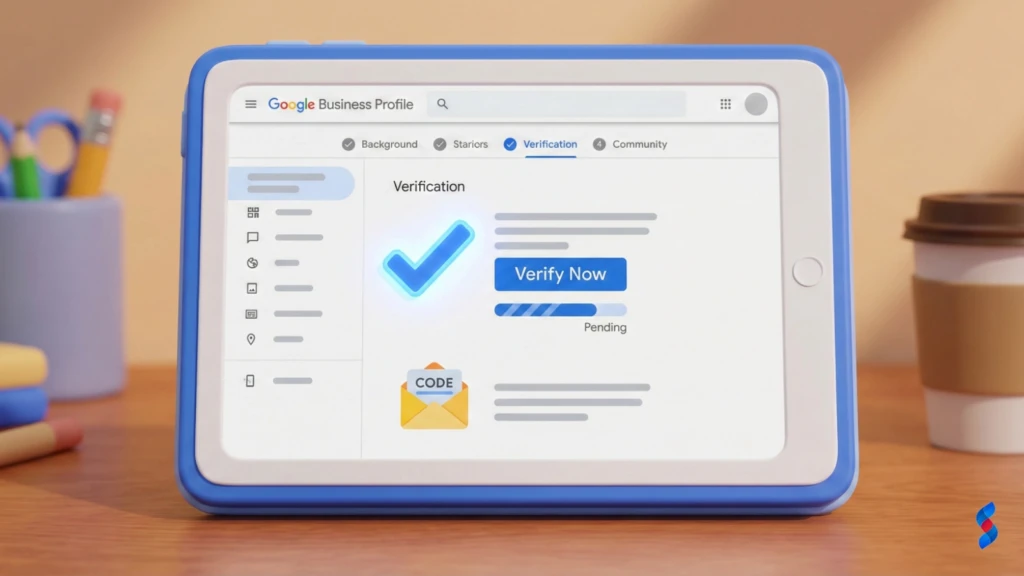
Your Google Business Profile (GBP) is the cornerstone of your local SEO strategy. Claiming and verifying your GBP listing is the first and most critical step. This process ensures that you have control over your business information and can manage how it appears in Google Search and Maps. We once had a client who didn’t realize someone else had claimed their GBP! Verify ownership ASAP.
Optimizing Your Business Description with Relevant Keywords
Your business description is an opportunity to tell potential customers what makes your business unique and why they should choose you. Include relevant keywords that your target audience is likely to search for, but avoid keyword stuffing. Write a clear, concise, and compelling description that highlights your key products, services, and unique selling propositions.
Selecting the Right Business Categories for Local Search
Choosing the right business categories is crucial for helping Google understand what your business does and who your target audience is. Select the primary category that best describes your business, and then add additional categories that are relevant to your offerings. Research your competitors to see which categories they are using.
Adding Photos and Videos to Enhance Your Profile
Visual content can significantly enhance your GBP listing and attract more customers. Add high-quality photos of your business, products, services, and team. Consider creating a virtual tour of your business to give potential customers a better sense of what to expect. Videos can also be a powerful way to showcase your expertise and engage with your audience.
Utilizing Google Posts to Promote Offers and Events
Google Posts allow you to share updates, offers, events, and promotions directly on your GBP listing. This is a great way to keep your listing fresh and engaging, and to attract more customers to your business. Use compelling visuals and concise text to capture attention and drive clicks. We recommend posting at least once a week.
Managing and Responding to Customer Reviews
Online reviews play a significant role in local SEO and can influence potential customers’ purchasing decisions. Encourage your customers to leave reviews on your GBP listing, and respond to both positive and negative reviews in a timely and professional manner. Addressing negative feedback proactively can demonstrate your commitment to customer satisfaction.
Mastering Local Keyword Research
Identifying High-Value Local Keywords
Identifying the right keywords is essential for attracting relevant traffic to your website and GBP listing. Start by brainstorming a list of keywords that your target audience is likely to use when searching for your products or services. Consider both broad keywords (e.g., “pizza”) and more specific long-tail keywords (e.g., “best vegan pizza in downtown”).
Using Keyword Research Tools for Local SEO (e.g., Ahrefs, SEMrush)
Keyword research tools can help you discover high-value keywords that you might not have considered. Tools like Ahrefs, SEMrush, and Moz Keyword Explorer provide valuable data on keyword search volume, competition, and related keywords. Use these tools to identify keywords that are relevant to your business and have a good balance of search volume and competition.
Analyzing Competitor Keywords in Your Local Area
Analyzing your competitors’ keywords can provide valuable insights into what keywords are working well in your local market. Use keyword research tools to see which keywords your competitors are ranking for, and identify opportunities to target similar keywords on your website and GBP listing.
Incorporating Geo-Specific Keywords into Your Content
Geo-specific keywords are essential for local SEO. Include the names of your city, neighborhood, and surrounding areas in your website content, GBP listing, and other online materials. This will help Google understand the geographic area that your business serves and improve your visibility in local search results.
Long-Tail Keyword Opportunities for Local SEO
Long-tail keywords are longer, more specific phrases that people use when searching for something very specific. These keywords often have lower search volume but higher conversion rates. Focus on targeting long-tail keywords that are relevant to your business and address specific customer needs.
Building Local Citations and NAP Consistency
What are Local Citations and Why are They Important?
Local citations are online mentions of your business’s name, address, and phone number (NAP) on other websites. Citations help Google verify your business’s existence and location, and they can improve your local SEO rankings. Citations are one of the ranking factors Google uses to determine which businesses to show in local search results.
Identifying Relevant Citation Sources for Your Business
Identify relevant citation sources for your business, such as online directories, industry-specific websites, and local business associations. Focus on building citations on high-quality, reputable websites that are relevant to your industry and geographic area. Some examples include Yelp, Yellow Pages, and local Chambers of Commerce.
Ensuring NAP (Name, Address, Phone Number) Consistency
NAP consistency is crucial for local SEO. Ensure that your business’s name, address, and phone number are consistent across all online platforms, including your website, GBP listing, and local citations. Inconsistent NAP information can confuse Google and negatively impact your rankings.
Using Citation Building Tools and Services
Citation building tools and services can help you streamline the process of creating and managing your local citations. These tools can automate the submission of your business information to multiple directories and help you identify and fix NAP inconsistencies. BrightLocal and Yext are popular citation management tools.
Monitoring and Updating Your Citations Regularly
Monitoring and updating your citations regularly is essential for maintaining NAP consistency and ensuring that your business information is accurate. Regularly check your citations to ensure that they are still active and that your business information is correct. Update any outdated or incorrect information as soon as possible.
Optimizing Your Website for Local Search
Ensuring Mobile-Friendliness and Page Speed
As mentioned earlier, mobile-friendliness and page speed are crucial for local SEO. Ensure that your website is responsive and adapts to different screen sizes. Optimize your images and code to improve page loading times. Use tools like Google’s PageSpeed Insights to identify areas for improvement.
Implementing Schema Markup for Local SEO
Schema markup is code that you can add to your website to help search engines understand the content on your pages. Implementing schema markup for local SEO can help Google better understand your business’s name, address, phone number, hours of operation, and other important information. This can improve your visibility in local search results.
Creating Location-Specific Landing Pages
Create location-specific landing pages for each of the geographic areas that your business serves. These pages should include relevant keywords, location-specific content, and a map of your business location. Location-specific landing pages can improve your visibility in local search results for those areas.
Optimizing Title Tags and Meta Descriptions for Local Keywords
Optimize your website’s title tags and meta descriptions for local keywords. Include the names of your city, neighborhood, and surrounding areas in your title tags and meta descriptions. This will help search engines understand the geographic area that your business serves and improve your click-through rates from local search results.
Embedding Google Maps on Your Contact Page
Embedding a Google Map on your contact page can help potential customers find your business location. It also signals to Google that your business is located in that area. Make sure that the map is properly embedded and that it includes your business’s name, address, and phone number.
Leveraging Local Link Building Strategies
Building Relationships with Local Businesses and Organizations
Building relationships with other local businesses and organizations is a great way to earn valuable local links. Participate in local events, join local business associations, and collaborate with other businesses on joint marketing initiatives.
Participating in Local Events and Sponsorships
Sponsoring local events and participating in community activities can help you build brand awareness and earn valuable local links. Offer to sponsor a local sports team, donate to a local charity, or volunteer at a community event.
Guest Blogging on Local Websites and Blogs
Guest blogging on local websites and blogs is another effective way to earn local links. Reach out to local website owners and bloggers and offer to write a guest post on a topic that is relevant to their audience.
Creating Valuable Content that Attracts Local Links
Creating valuable, informative, and engaging content is essential for attracting local links. Write blog posts, create infographics, and produce videos that are relevant to your local community and provide value to your target audience.
Monitoring Your Backlink Profile
Monitoring your backlink profile is crucial for ensuring that you are earning high-quality local links and that your website is not being penalized for low-quality or spammy links. Use tools like Ahrefs or SEMrush to monitor your backlink profile and disavow any harmful links.
Managing and Monitoring Your Online Reputation
The Importance of Online Reviews
Online reviews play a critical role in local SEO and can significantly impact your business’s reputation. Positive reviews can attract new customers, while negative reviews can deter potential customers. Managing and monitoring your online reputation is essential for maintaining a positive brand image.
Encouraging Customers to Leave Reviews
Encourage your customers to leave reviews on your GBP listing and other online platforms. Make it easy for customers to leave reviews by providing them with direct links to your review pages. Consider offering incentives, such as discounts or promotions, for customers who leave reviews.
Responding to Reviews (Positive and Negative)
Responding to reviews, both positive and negative, is crucial for demonstrating your commitment to customer satisfaction. Thank customers for leaving positive reviews and address negative feedback professionally and constructively. Use negative reviews as an opportunity to learn and improve your business.
Monitoring Your Brand Mentions Online
Monitoring your brand mentions online can help you identify opportunities to engage with your audience and address any negative feedback. Use tools like Google Alerts or Mention to track mentions of your business name, products, and services online.
Addressing Negative Feedback Proactively
Addressing negative feedback proactively can help you mitigate the damage to your business’s reputation. Respond to negative reviews quickly and professionally, and offer to resolve the customer’s issue. Taking steps to address negative feedback can demonstrate your commitment to customer satisfaction and turn a negative experience into a positive one.
Measuring and Tracking Your Local SEO Performance
Setting Up Google Analytics and Google Search Console
Setting up Google Analytics and Google Search Console is essential for tracking your local SEO performance. Google Analytics provides data on website traffic, user behavior, and conversions, while Google Search Console provides data on keyword rankings, search queries, and technical SEO issues.
Tracking Keyword Rankings and Website Traffic
Tracking your keyword rankings and website traffic is crucial for measuring the effectiveness of your local SEO strategy. Monitor your keyword rankings to see how your website is performing for your target keywords. Track your website traffic to see how many visitors you are attracting from local search results.
Monitoring GMB Insights and Performance Metrics
Google Business Profile Insights provides valuable data on how customers are finding your business on Google Search and Maps. Monitor your GMB Insights to see how many people are viewing your listing, clicking on your website, and calling your business.
Analyzing Conversion Rates and ROI
Analyzing your conversion rates and ROI is essential for determining the financial impact of your local SEO efforts. Track your conversion rates to see how many website visitors are converting into customers. Calculate your ROI to see how much revenue you are generating from your local SEO investments.
Using Reporting Tools to Track Progress
Use reporting tools to track your progress and identify areas for improvement. Create regular reports that summarize your key metrics, such as keyword rankings, website traffic, conversion rates, and ROI. Use these reports to make data-driven decisions and optimize your local SEO strategy.
Advanced Local SEO Strategies for 2025
Voice Search Optimization for Local Queries
With the increasing popularity of voice assistants like Siri, Alexa, and Google Assistant, optimizing for voice search is essential for local SEO. Focus on targeting long-tail keywords and answering common questions that people are likely to ask when using voice search. Ensure that your website is mobile-friendly and loads quickly, as these factors can impact your voice search rankings.
Optimizing for Featured Snippets and Position Zero
Featured snippets, also known as “position zero,” are concise answers to search queries that appear at the top of Google’s search results page. Optimizing for featured snippets can significantly increase your visibility and drive more traffic to your website. Identify common questions that your target audience is asking and create content that provides clear, concise answers to those questions.
Utilizing Local SEO for Multiple Locations
If your business has multiple locations, it is important to optimize each location separately for local SEO. Create separate GBP listings for each location, and create location-specific landing pages on your website. Ensure that your NAP information is consistent across all platforms.
Exploring Local SEO Opportunities on Social Media Platforms
Social media platforms like Facebook, Instagram, and Twitter can be valuable tools for local SEO. Create profiles for your business on these platforms and share content that is relevant to your local community. Engage with your followers and participate in local conversations.
Integrating Local SEO with Other Marketing Channels
Integrating local SEO with other marketing channels, such as email marketing, social media marketing, and paid advertising, can amplify your results. Use email marketing to promote local offers and events. Use social media marketing to engage with your local community. Use paid advertising to target local customers who are searching for your products or services.
Troubleshooting Common Local SEO Issues
Addressing Ranking Declines
If you experience a decline in your local SEO rankings, it is important to identify the cause of the decline and take corrective action. Possible causes include algorithm updates, increased competition, technical SEO issues, and negative reviews.
Fixing NAP Inconsistencies
NAP inconsistencies can negatively impact your local SEO rankings. Regularly check your citations to ensure that your business’s name, address, and phone number are consistent across all online platforms. Use citation management tools to identify and fix NAP inconsistencies.
Resolving Google Business Profile Issues
Google Business Profile issues, such as suspensions or verification problems, can prevent your business from appearing in local search results. Follow Google’s guidelines for GBP listings and address any issues promptly.
Overcoming Negative Reviews
Negative reviews can damage your business’s reputation and deter potential customers. Respond to negative reviews professionally and constructively, and offer to resolve the customer’s issue. Encourage satisfied customers to leave positive reviews to offset the impact of negative reviews.
Identifying and Addressing Technical SEO Problems
Technical SEO problems, such as slow page loading times, broken links, and mobile-friendliness issues, can negatively impact your local SEO rankings. Use tools like Google’s PageSpeed Insights and Google Search Console to identify and address technical SEO problems.
Staying Up-to-Date with Local SEO Trends
Following Industry Blogs and Experts
Following industry blogs and experts is essential for staying up-to-date with the latest local SEO trends and best practices. Subscribe to industry newsletters, attend webinars, and follow local SEO experts on social media.
Attending Local SEO Conferences and Webinars
Attending local SEO conferences and webinars can provide valuable insights into the latest trends and strategies. These events offer opportunities to learn from industry experts, network with other professionals, and stay ahead of the curve.
Adapting to Algorithm Updates
Google’s search algorithms are constantly evolving, so it is important to adapt your local SEO strategy to algorithm updates. Stay informed about algorithm updates and make necessary adjustments to your website and GBP listing.
Experimenting with New Strategies and Technologies
Experimenting with new strategies and technologies can help you identify innovative ways to improve your local SEO performance. Try new approaches to keyword research, link building, and content creation.
Local SEO Checklist: Ensuring a Solid Foundation
Use this checklist to ensure you have a solid local SEO foundation:
Task
Status
Notes
Google Business Profile Optimization
☐ Complete / ☐ Incomplete
Claimed, verified, optimized with keywords and photos
Tracking performance, adapting to algorithm updates
Conclusion
You’ve now successfully navigated the key aspects of setting up a winning local SEO strategy for 2025. From optimizing your Google Business Profile to mastering local keyword research and building valuable citations, you are well-equipped to attract more local customers and boost your business’s online presence. We’re confident that by implementing these strategies, you’ll see a significant improvement in your local search rankings and overall business growth.
Q: What is local SEO, and why is it important?
A: Local SEO is the process of optimizing your online presence to attract customers within a specific geographic area. It is crucial for businesses that rely on local customers, as it helps them appear in local search results and attract more targeted traffic.
Q: How do I claim and verify my Google Business Profile?
A: You can claim and verify your Google Business Profile by visiting the Google Business Profile website and following the prompts. You will need to provide information about your business and verify your ownership through a phone call, postcard, or email.
Q: What are local citations, and why are they important?
A: Local citations are online mentions of your business’s name, address, and phone number (NAP) on other websites. They are important because they help Google verify your business’s existence and location, and they can improve your local SEO rankings.
Q: How do I ensure NAP consistency?
A: To ensure NAP consistency, make sure that your business’s name, address, and phone number are consistent across all online platforms, including your website, GBP listing, and local citations. Use citation management tools to identify and fix NAP inconsistencies.
Q: How do I optimize my website for local search?
A: To optimize your website for local search, ensure that it is mobile-friendly and has fast loading times. Implement schema markup for local SEO, create location-specific landing pages, optimize title tags and meta descriptions for local keywords, and embed Google Maps on your contact page.
Q: What are some effective local link building strategies?
A: Some effective local link building strategies include building relationships with local businesses and organizations, participating in local events and sponsorships, guest blogging on local websites and blogs, and creating valuable content that attracts local links.
Q: How do I manage and monitor my online reputation?
A: To manage and monitor your online reputation, encourage customers to leave reviews, respond to reviews (positive and negative), monitor your brand mentions online, and address negative feedback proactively.
Q: How do I measure and track my local SEO performance?
A: To measure and track your local SEO performance, set up Google Analytics and Google Search Console, track keyword rankings and website traffic, monitor GMB Insights and performance metrics, analyze conversion rates and ROI, and use reporting tools to track progress.
Q: What are some advanced local SEO strategies for 2025?
A: Some advanced local SEO strategies for 2025 include voice search optimization, optimizing for featured snippets and position zero, utilizing local SEO for multiple locations, exploring local SEO opportunities on social media platforms, and integrating local SEO with other marketing channels.
Q: How do I troubleshoot common local SEO issues?
A: To troubleshoot common local SEO issues, address ranking declines, fix NAP inconsistencies, resolve Google Business Profile issues, overcome negative reviews, and identify and address technical SEO problems.
Don't let local SEO mistakes sink your business! This guide reveals common pitfalls and how to avoid them. Boost your local rankings and attract more customers in 2025 by fixing these critical errors and optimizing your online presence.
Is your local business hidden online? This local SEO audit checklist provides a step-by-step guide to improving your online visibility, attracting more customers, and dominating local search results. Get your free checklist now!
Discover how to optimize your local SEO for voice search in 2025. Our guide covers keyword strategies, schema markup, and more to ensure your business thrives in the voice-first era. Get ready to dominate voice search results!
Is your business discoverable on Google Maps? Our local SEO checklist for 2025 ensures your business appears in local search results, driving more customers to your doorstep. Optimize your online presence today!
Unlock top local rankings! This guide reveals critical local SEO citations that boost your online presence. Dominate local search results in 2025 with our expert citation checklist and strategies. Don't miss out on these essential tips!
Is your local SEO strategy failing? Discover 5 essential local SEO fixes to boost your online visibility and attract more customers in 2025. Implement these strategies now!