Logo Colors: The Ultimate Guide to Attracting Your Ideal Customer in 2025
Choosing the right logo colors is crucial for branding. This guide explores the psychology behind colors and how they impact customer perception, helping you select the perfect palette to attract your target audience and boost brand recognition.
Logo colors are a crucial element of brand identity, and choosing the right ones can significantly impact your business’s success. In today’s competitive market, where first impressions matter more than ever, understanding the psychology behind logo colors and how they resonate with your target audience is essential. This guide will provide you with the knowledge and tools you need to select the perfect logo colors that attract your ideal customer in 2025.
Introduction: The Power of Logo Colors in Branding
Your logo is often the first interaction a potential customer has with your brand. It’s a visual representation of your company’s values, personality, and offerings. Choosing the right logo colors is not just about aesthetics; it’s about strategically communicating the right message to your audience. The impact of logo colors extends far beyond mere visual appeal; it influences brand recognition, customer perception, and ultimately, purchasing decisions.
The First Impression: How Colors Shape Perception
Colors evoke emotions and associations, influencing how people perceive your brand from the very first glance. A study published in the Journal of Marketing Research found that up to 90% of immediate product assessment is based on color alone. This highlights the critical role logo colors play in shaping initial impressions. A carefully chosen color palette can instantly communicate trustworthiness, innovation, or luxury, setting the stage for a positive customer experience.
Why Logo Colors Matter More Than You Think
Beyond initial impressions, logo colors contribute to brand recognition and recall. Consistent use of specific colors helps customers easily identify and remember your brand. Think about iconic brands like Coca-Cola (red), IBM (blue), and Starbucks (green). These companies have successfully leveraged color to create strong brand associations. Furthermore, the right logo colors can differentiate your brand from competitors, attracting your target audience and fostering customer loyalty. This has an impact far beyond aesthetics, influencing brand recognition, customer perception, and purchasing decisions.
The Psychology of Color: A Quick Overview
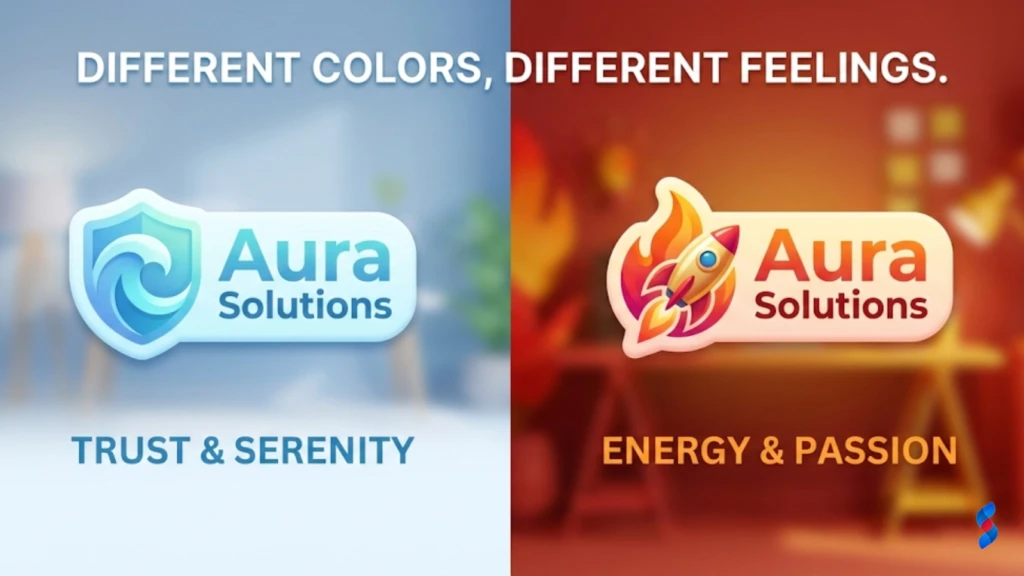
Understanding the psychology of color is fundamental to effective logo design. Each color carries a unique set of associations and emotions. For instance, blue often represents trust and stability, while red symbolizes energy and passion. By understanding these associations, you can strategically choose logo colors that align with your brand values and resonate with your target audience. This understanding is not just about personal preferences; it’s about leveraging the power of color to influence consumer behavior.
> “Color is a power which directly influences the soul.” – Wassily Kandinsky
Understanding Color Psychology: A Deep Dive
Let’s delve deeper into the specific emotions and associations connected with various colors, equipping you with the knowledge to make informed decisions about your brand’s visual identity. Understanding how different logo colors affect consumers is critical to connecting with your target audience.
Red: Energy, Passion, and Urgency
Red is a powerful and attention-grabbing color associated with energy, passion, excitement, and urgency. It can stimulate appetite, increase heart rate, and create a sense of immediacy. Red is often used by brands that want to convey boldness, confidence, and a sense of action. Think of brands like Coca-Cola, Netflix, and Target. However, red can also be associated with danger and aggression, so it’s crucial to use it judiciously.
Blue: Trust, Stability, and Calm
Blue is a widely popular color that evokes feelings of trust, stability, calmness, and professionalism. It is often associated with reliability, security, and intelligence. Blue is a common choice for brands in the finance, technology, and healthcare industries. Examples include IBM, Facebook, and PayPal. The calming nature of blue makes it a versatile choice for businesses seeking to establish a sense of trustworthiness.
Yellow: Optimism, Happiness, and Creativity
Yellow is a cheerful and optimistic color that represents happiness, creativity, and energy. It can stimulate mental activity and promote a sense of playfulness. Yellow is often used by brands targeting children or those seeking to convey a sense of fun and lightheartedness. Examples include McDonald’s, Snapchat, and Ikea. However, yellow can also be associated with caution or cheapness, so it’s important to use it carefully.
Green: Growth, Health, and Nature
Green is a color associated with growth, health, nature, and harmony. It represents balance, renewal, and prosperity. Green is often used by brands in the environmental, food, and wellness industries. Examples include Starbucks, Whole Foods Market, and John Deere. The association with nature makes green a popular choice for companies aiming to project an image of sustainability and health.
Orange: Enthusiasm, Playfulness, and Confidence
Orange is a vibrant and energetic color that combines the passion of red with the optimism of yellow. It represents enthusiasm, playfulness, confidence, and creativity. Orange is often used by brands seeking to convey a sense of fun, friendliness, and innovation. Examples include Nickelodeon, Fanta, and Harley-Davidson. Its boldness can capture attention and create a memorable brand experience.
Purple: Luxury, Wisdom, and Spirituality
Purple is a color associated with luxury, wisdom, spirituality, and royalty. It represents sophistication, creativity, and imagination. Purple is often used by brands seeking to convey a sense of exclusivity, elegance, and mystery. Examples include Cadbury, Yahoo!, and Hallmark. The color purple is often associated with high-end products and services.
Black: Sophistication, Power, and Mystery
Black is a classic and versatile color that represents sophistication, power, mystery, and elegance. It can convey a sense of luxury, exclusivity, and authority. Black is often used by brands seeking to project a timeless and sophisticated image. Examples include Chanel, Apple, and Nike. Black can be particularly effective when paired with other colors to create a striking contrast.
White: Simplicity, Purity, and Cleanliness
White is a color associated with simplicity, purity, cleanliness, and peace. It represents innocence, clarity, and new beginnings. White is often used by brands seeking to convey a sense of minimalism, sophistication, and hygiene. Examples include Apple, Tesla, and Adidas. White is also commonly used as a background color to create a clean and uncluttered look.
Gray: Neutrality, Balance, and Professionalism
Gray is a neutral color that represents balance, professionalism, neutrality, and sophistication. It can convey a sense of practicality, reliability, and formality. Gray is often used by brands seeking to project a sense of stability and competence. Examples include Apple, Mercedes-Benz, and Wikipedia. Its neutrality makes it a versatile choice for various industries.
Brown: Earthiness, Reliability, and Comfort
Brown is a color associated with earthiness, reliability, comfort, and stability. It represents warmth, honesty, and nature. Brown is often used by brands seeking to convey a sense of authenticity, tradition, and down-to-earth values. Examples include UPS, Hershey’s, and Timberland. Its natural associations make it a suitable choice for brands focused on heritage and trustworthiness.
Identifying Your Ideal Customer: The Foundation for Color Choice
Before choosing logo colors, it’s crucial to understand your ideal customer. Knowing their demographics, psychographics, values, and preferences will guide your color selection process. Without a clear understanding of your target audience, your logo colors may not resonate with them, leading to missed opportunities and ineffective branding.
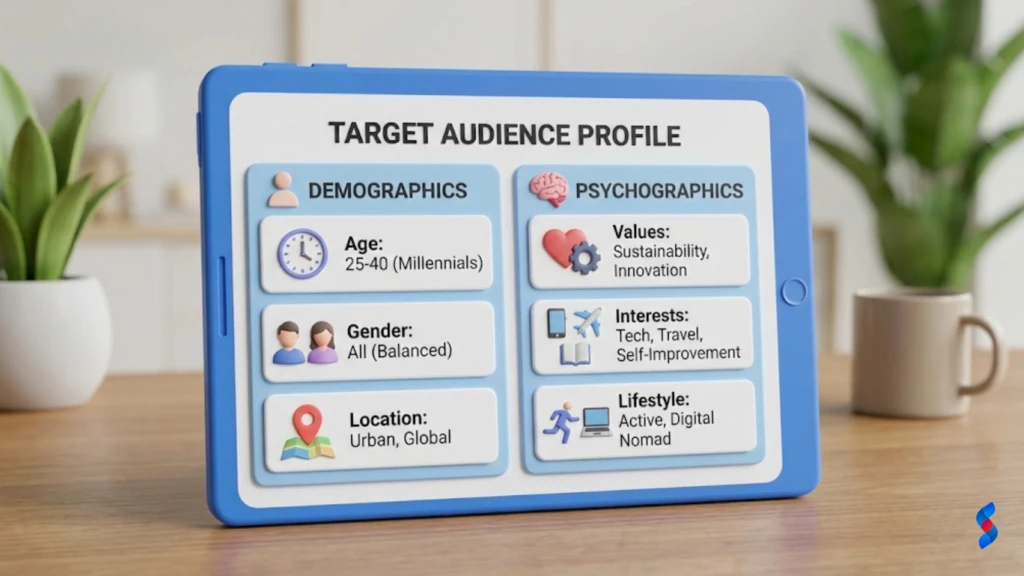
Defining Your Target Audience: Demographics and Psychographics
Start by defining your target audience based on demographics (age, gender, location, income, education) and psychographics (values, interests, lifestyle, attitudes). This information will help you understand their preferences and motivations. For example, a brand targeting young adults may opt for vibrant and trendy colors, while a brand targeting older adults may prefer more classic and sophisticated colors.
Understanding Their Values and Preferences
What values and preferences are important to your target audience? Are they environmentally conscious? Do they value luxury and exclusivity? Understanding their values will help you choose logo colors that align with their beliefs and aspirations. For example, if your target audience values sustainability, you might consider using green or brown in your logo.
Researching Competitor Color Choices: What Works and What Doesn’t
Researching your competitors’ logo colors can provide valuable insights. What colors are they using? Are they successful? What colors are they avoiding? This research can help you identify opportunities to differentiate your brand and avoid common pitfalls. However, it’s important to strike a balance between following industry trends and creating a unique brand identity. Our team in Dubai often finds that competitive analysis reveals unexpected opportunities for differentiation.
Matching Colors to Your Brand Personality
Your logo colors should reflect your brand’s personality and values. What is your brand’s mission? What attributes do you want to communicate? By aligning your logo colors with your brand personality, you can create a cohesive and authentic brand identity.
Determining Your Brand Values and Mission
Clearly define your brand’s values and mission. What does your brand stand for? What problems does it solve? What makes it unique? These questions will help you identify the core attributes that your logo colors should represent. For example, if your brand values innovation and creativity, you might consider using bold and unconventional colors.
Translating Brand Attributes into Color Choices
Once you’ve defined your brand attributes, translate them into color choices. For example, if your brand is reliable and trustworthy, you might consider using blue or gray. If your brand is energetic and playful, you might consider using orange or yellow. This step involves connecting abstract brand qualities with specific color associations.
Creating a Brand Mood Board: Visualizing Your Color Palette
Create a brand mood board to visualize your color palette and ensure it aligns with your brand personality. A mood board is a collage of images, colors, and textures that represent your brand’s overall aesthetic. This can help you refine your color choices and create a cohesive visual identity. We once had a client who was torn between two color palettes. The mood board exercise helped them visualize the different options and make a confident decision.
Creating Effective Logo Color Combinations
Choosing the right logo colors involves understanding how different colors interact with each other. Effective color combinations can create a harmonious and visually appealing logo that captures attention and communicates your brand message effectively.
Monochromatic Color Schemes: Simplicity and Elegance
Monochromatic color schemes use different shades and tints of a single color. This creates a clean, simple, and elegant look. Monochromatic schemes are easy to implement and can be very effective for brands seeking to convey a sense of sophistication and minimalism. For example, a logo using different shades of blue can convey trust and stability.
Analogous Color Schemes: Harmony and Balance
Analogous color schemes use colors that are next to each other on the color wheel. This creates a harmonious and balanced look. Analogous schemes are visually pleasing and can be used to create a sense of unity and coherence. For example, a logo using green, yellow-green, and yellow can convey growth and optimism.
Complementary Color Schemes: Contrast and Energy
Complementary color schemes use colors that are opposite each other on the color wheel. This creates a high-contrast and energetic look. Complementary schemes can be used to draw attention and create a sense of excitement. For example, a logo using blue and orange can convey trust and creativity.
Triadic Color Schemes: Boldness and Vibrancy
Triadic color schemes use three colors that are evenly spaced on the color wheel. This creates a bold and vibrant look. Triadic schemes can be used to create a sense of balance and harmony while still maintaining visual interest. For example, a logo using red, yellow, and blue can convey energy and playfulness.
Tetradic Color Schemes: Complexity and Richness
Tetradic color schemes use four colors that are arranged in two complementary pairs on the color wheel. This creates a complex and rich look. Tetradic schemes can be challenging to implement effectively, but they can be very rewarding when done well. For example, a logo using green, red, yellow, and blue can convey a sense of complexity and sophistication.
Color Scheme
Description
Example
Best For
Monochromatic
Uses different shades of a single color.
Various shades of blue for a tech company logo.
Simplicity, elegance, and conveying a unified brand message.
Analogous
Uses colors that are next to each other on the color wheel.
Green, yellow-green, and yellow for an environmental brand.
Harmony, balance, and creating a visually pleasing design.
Complementary
Uses colors that are opposite each other on the color wheel.
Blue and orange for a creative and trustworthy brand.
High contrast, energy, and drawing attention to specific elements.
Triadic
Uses three colors evenly spaced on the color wheel.
Red, yellow, and blue for a playful and energetic brand.
Boldness, vibrancy, and creating a sense of balance and visual interest.
Tetradic
Uses four colors in two complementary pairs.
Green, red, yellow, and blue for a complex and sophisticated design.
Complexity, richness, and conveying a sense of sophistication and depth.
Color Trends in 2025: Staying Relevant and Modern
Staying up-to-date with the latest color trends is essential for maintaining a relevant and modern brand image. While classic colors remain timeless, incorporating current trends can help your logo stand out and appeal to contemporary audiences. However, it’s important to balance trendiness with timelessness to ensure your logo remains effective in the long run.
Emerging Color Palettes for Different Industries
Different industries often gravitate towards specific color palettes that reflect their values and offerings. For example, the technology industry may favor cool blues and grays, while the food industry may lean towards warm reds and yellows. Researching emerging color palettes in your industry can provide inspiration and help you stay competitive.
The Influence of Technology and Culture on Color Trends
Technology and culture play a significant role in shaping color trends. Digital advancements, social media, and cultural shifts can all influence consumer preferences and color perceptions. For example, the rise of minimalism has led to a resurgence of neutral and muted color palettes. Understanding these influences can help you anticipate future color trends.
Adapting Your Logo Colors to Evolving Tastes
While it’s important to stay true to your brand identity, adapting your logo colors to evolving tastes can help you remain relevant and appealing to your target audience. This doesn’t necessarily mean completely overhauling your logo, but rather making subtle adjustments to stay current. For example, you might consider updating the shades or tones of your existing logo colors.
Practical Tools and Resources for Color Selection
Numerous tools and resources are available to help you select the perfect logo colors. These tools can assist you in creating, exploring, and testing different color palettes to ensure they align with your brand identity and resonate with your target audience.
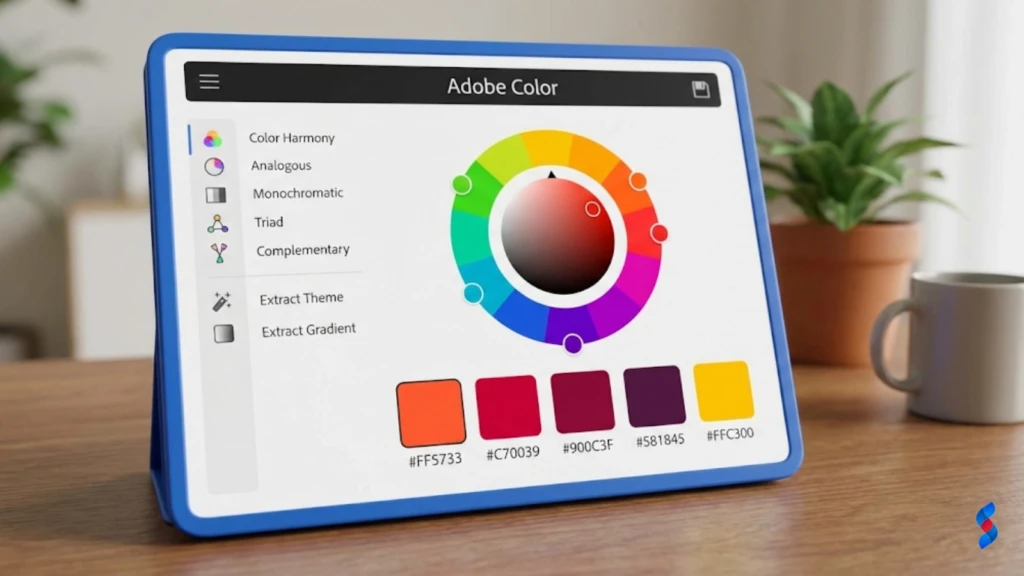
Adobe Color: Creating and Exploring Color Palettes
Adobe Color is a powerful tool for creating and exploring color palettes. It allows you to generate color schemes based on various color rules, such as complementary, analogous, and triadic. You can also upload images and extract their color palettes. Adobe Color is an excellent resource for designers and non-designers alike.
Coolors.co: Generating Random Color Schemes
Coolors.co is a user-friendly tool for generating random color schemes. It allows you to lock in specific colors and generate new palettes based on those colors. Coolors.co is a great way to discover unexpected color combinations and spark creativity. It’s particularly helpful when you’re feeling stuck and need inspiration.
Canva Color Palette Generator: Extracting Colors from Images
Canva’s Color Palette Generator allows you to extract colors from images. Simply upload an image and the tool will automatically generate a color palette based on the dominant colors in the image. This is a great way to create color palettes inspired by your favorite visuals.
Pantone Color Finder: Identifying Specific Color Shades
Pantone Color Finder is a comprehensive database of Pantone colors. It allows you to search for specific colors by name or number and view their RGB, CMYK, and Hex codes. Pantone Color Finder is an essential resource for ensuring color accuracy across different media.
Accessibility Checkers: Ensuring Color Contrast for All Users
Ensuring color accessibility is crucial for creating inclusive designs. Use accessibility checkers like WebAIM’s Color Contrast Checker to ensure your logo colors provide sufficient contrast for users with visual impairments. This tool helps you meet accessibility guidelines and create a logo that is usable by everyone.
Real-World Examples of Successful Logo Color Choices
Analyzing successful logo color choices can provide valuable insights and inspiration. By examining the strategies of well-known brands, you can learn how to effectively use color to communicate your brand message and attract your target audience.
Case Study 1: McDonald’s (Red and Yellow)
McDonald’s uses red and yellow in its logo to create a sense of excitement, energy, and happiness. Red stimulates appetite, while yellow evokes feelings of optimism and playfulness. This combination is highly effective in attracting families and children. McDonald’s has consistently used these colors for decades, creating strong brand recognition and associations.
Case Study 2: Facebook (Blue)
Facebook’s logo is blue, which conveys trust, stability, and reliability. Blue is a common choice for technology companies seeking to establish a sense of security and professionalism. The choice of blue aligns with Facebook’s mission of connecting people and building a trusted online community.
Case Study 3: Starbucks (Green)
Starbucks uses green in its logo to represent growth, health, and nature. Green is associated with sustainability and environmental consciousness, aligning with Starbucks’ commitment to ethical sourcing and environmental responsibility. The green logo also creates a sense of calm and relaxation, inviting customers to enjoy a coffee break.
Case Study 4: Tiffany & Co. (Tiffany Blue)
Tiffany & Co. is known for its signature “Tiffany Blue” color, which is a specific shade of robin’s egg blue. This color is associated with luxury, elegance, and exclusivity. The Tiffany Blue color is instantly recognizable and has become synonymous with the brand’s high-end jewelry and accessories.
Analyzing the Impact of Color on Brand Recognition and Customer Loyalty
These case studies demonstrate the significant impact of color on brand recognition and customer loyalty. By consistently using specific logo colors, brands can create strong associations in the minds of consumers. This leads to increased brand recall, positive brand perceptions, and ultimately, greater customer loyalty.
Common Mistakes to Avoid When Choosing Logo Colors
Choosing the right logo colors can be challenging, and it’s easy to make mistakes that can negatively impact your brand. Avoiding these common pitfalls can help you create a logo that effectively communicates your brand message and resonates with your target audience.
Ignoring Your Target Audience’s Preferences
One of the biggest mistakes is ignoring your target audience’s preferences. Failing to consider their values, beliefs, and cultural background can lead to a logo that doesn’t resonate with them. Always research your target audience and understand their color preferences before making any decisions.
Using Too Many Colors: Keep It Simple
Using too many colors can create a cluttered and confusing logo. It’s generally best to stick to a maximum of three colors to maintain a clean and cohesive look. Simplicity is key to creating a memorable and effective logo.
Choosing Colors That Are Difficult to Reproduce
Some colors are difficult to reproduce accurately across different media. This can lead to inconsistencies in your branding and a loss of visual appeal. Always test your logo colors on different devices and in different formats to ensure they look consistent.
Neglecting Color Accessibility: Ensure Readability
Neglecting color accessibility can exclude users with visual impairments. Ensure your logo colors provide sufficient contrast for readability. Use accessibility checkers to verify that your logo meets accessibility guidelines.
Overlooking Cultural Differences in Color Meanings
Colors can have different meanings in different cultures. Overlooking these cultural differences can lead to misunderstandings and negative associations. Research the cultural implications of your chosen colors before finalizing your logo.
Testing and Refining Your Logo Colors
Once you’ve chosen your logo colors, it’s important to test and refine them to ensure they are effective. Gathering feedback from your target audience and monitoring brand performance can help you identify areas for improvement and optimize your logo for maximum impact.
A/B Testing Different Color Variations
A/B testing involves presenting different versions of your logo with different color variations to your target audience. By tracking which version performs best, you can determine which color palette resonates most effectively. A/B testing can provide valuable data to support your color decisions.
Gathering Feedback from Your Target Audience
Gathering feedback from your target audience is crucial for understanding how your logo colors are perceived. Conduct surveys, focus groups, or interviews to collect feedback on your logo’s visual appeal, brand associations, and overall effectiveness. This feedback can help you identify areas for improvement and refine your color choices.
Monitoring Brand Performance and Adjusting Accordingly
Monitor your brand performance metrics, such as website traffic, social media engagement, and customer satisfaction, to assess the impact of your logo colors. If you notice any negative trends, consider adjusting your logo colors to improve brand perception and engagement. Continuous monitoring and refinement are essential for maintaining a successful brand identity.
Conclusion: Recap of Achievement
In this ultimate guide, we’ve explored the power of logo colors and how they can attract your ideal customer in 2025. We’ve delved into the psychology of color, identified your target audience, matched colors to your brand personality, and created effective color combinations. We’ve also discussed color trends, practical tools, real-world examples, common mistakes, and testing methods. By applying these principles, you can create a logo that effectively communicates your brand message and resonates with your target audience.
We at SkySol Media are confident that this comprehensive guide has equipped you with the knowledge and tools you need to make informed decisions about your logo colors. A well-chosen color palette can significantly impact your brand’s success, fostering recognition, loyalty, and ultimately, attracting your ideal customer.
A: It’s generally best to stick to a maximum of three colors to maintain a clean and cohesive look. Simplicity is key to creating a memorable and effective logo.
Q: How important is it to stay up-to-date with color trends?
A: Staying up-to-date with color trends is important for maintaining a relevant and modern brand image. However, it’s essential to balance trendiness with timelessness to ensure your logo remains effective in the long run.
Q: How can I ensure my logo colors are accessible to everyone?
A: Use accessibility checkers to ensure your logo colors provide sufficient contrast for users with visual impairments. This helps you meet accessibility guidelines and create a logo that is usable by everyone.
Q: What is the best way to test my logo colors?
A: A/B testing and gathering feedback from your target audience are effective ways to test your logo colors. These methods can provide valuable data to support your color decisions and identify areas for improvement.
Q: Can I change my logo colors later if needed?
A: Yes, you can change your logo colors later if needed. However, it’s important to consider the potential impact on brand recognition and customer loyalty. Make any changes strategically and communicate them effectively to your audience.
Discover how a poorly designed logo can repel customers and damage your brand. Learn the key elements of effective logo design and how to avoid costly mistakes that impact your bottom line. Understand the ROI of a strong logo and its impact on customer perception.
Is your logo hurting your business? Learn how to identify if your logo is turning customers away and discover proven ways to revamp it for success. Get expert tips to attract, not repel, your target audience.
Unlock the secrets to maximizing your logo design ROI! Discover how a professional logo can boost brand recognition, customer loyalty, and ultimately, your bottom line. Learn to measure the impact of your logo investment and drive business success.
Discover how your logo could be sabotaging your brand! Learn to identify and fix hidden messaging flaws that repel customers. Our guide reveals common logo mistakes and provides actionable strategies for logo optimization to boost your business in 2025.
Uncover the brutal logo truth and learn how your current logo might be costing you customers. This guide reveals common logo mistakes and provides actionable steps to create a logo that attracts, not repels. Learn expert tips for a successful rebrand.
Discover how logo colors attract your ideal customer. Learn the psychology behind color choices and how to use them to create a brand that resonates with your target audience. Make informed decisions to boost brand recognition and customer engagement.