PPC for Business: The Ultimate & Honest Guide for 2025
Considering PPC for your business? Our honest guide helps you assess if pay-per-click advertising aligns with your goals, budget, and industry. Make an informed decision in 2025.
PPC for business is a powerful tool in today’s digital landscape, but it’s crucial to approach it with a clear understanding of its capabilities and limitations. This guide provides an honest and comprehensive overview of PPC for business in 2025, designed to help you determine if it’s the right strategy for your specific business goals. We’ll explore the core benefits, readiness assessment, key considerations, platform choices, common mistakes, ROI calculations, expert insights, troubleshooting, and ultimately, whether PPC for business aligns with your objectives.
Introduction: Decoding PPC for Business
Pay-per-click (PPC) advertising can be a game-changer for businesses looking to drive targeted traffic and generate leads. However, it’s not a guaranteed path to success. It requires careful planning, execution, and ongoing optimization. In this guide, we will break down everything you need to know about PPC for business to help you make an informed decision and maximize your chances of success.
What is PPC (Pay-Per-Click) and How Does It Work?
Pay-per-click (PPC) is an online advertising model where advertisers pay a fee each time one of their ads is clicked. Essentially, you’re buying visits to your website rather than attempting to “earn” those visits organically through search engine optimization (SEO). It’s a bidding system where you compete with other businesses for top placement in search engine results pages (SERPs) or on other websites. PPC is most commonly associated with Google Ads, but it is also available on other platforms like Microsoft Advertising (formerly Bing Ads) and social media networks.
The process typically involves several steps:
1. Keyword Research: Identifying the keywords and phrases that your target audience is using when searching for products or services like yours. This is the foundation of any successful PPC campaign.
2. Ad Creation: Writing compelling ad copy that highlights your unique selling proposition and encourages users to click. Your ad copy should be relevant to the keywords you are targeting.
3. Bidding: Setting bids on your chosen keywords, indicating the maximum amount you’re willing to pay for each click. The higher your bid, the more likely your ad is to appear in a prominent position.
4. Landing Page Design: Creating dedicated landing pages that are optimized for conversions. The landing page should be relevant to the ad and provide a clear call to action.
5. Tracking and Optimization: Monitoring your campaign performance and making adjustments to improve your results. This includes tracking metrics like click-through rate (CTR), conversion rate, and cost per conversion.
Why is PPC a Hot Topic for Businesses in 2025?
In 2025, PPC remains a vital component of digital marketing strategies for several reasons. Firstly, organic reach on social media platforms continues to decline, making paid advertising a necessity for many businesses. Secondly, search engine results pages (SERPs) are becoming increasingly crowded with ads, making it more difficult to achieve visibility through SEO alone. Finally, PPC offers unparalleled targeting capabilities, allowing businesses to reach their ideal customers with laser precision.
Here’s why PPC continues to be relevant:
Increased Competition: As more businesses embrace online advertising, competition for organic rankings intensifies. PPC offers a way to cut through the noise and secure top placement.
Evolving Consumer Behavior: Consumers are increasingly turning to search engines and social media to research products and services. PPC allows you to meet them where they are.
Advanced Targeting Options: PPC platforms offer sophisticated targeting options, such as demographic targeting, interest-based targeting, and remarketing, enabling you to reach highly specific audiences.
“PPC is no longer just about keywords and bids. It’s about understanding your audience, crafting compelling messaging, and delivering a seamless user experience.” – John Smith, PPC Expert at SkySol Media
Setting Realistic Expectations: PPC is Not a Magic Bullet
It’s crucial to understand that PPC is not a quick fix or a guaranteed path to instant success. It requires ongoing effort, monitoring, and optimization. Many businesses fail to achieve their desired results with PPC because they have unrealistic expectations or lack the necessary expertise.
We once had a client who expected to see immediate sales growth after launching their first PPC campaign. They were disappointed when they didn’t see results within the first week. However, after we helped them optimize their keywords, ad copy, and landing pages, they started to see a significant improvement in their ROI.
Here are some common misconceptions about PPC:
“I’ll get instant results.” PPC can deliver faster results than SEO, but it still takes time to optimize campaigns and see a return on investment.
“I can set it and forget it.” PPC requires ongoing monitoring and optimization to ensure that you’re getting the best possible results.
“I don’t need to invest in landing pages.” High-quality landing pages are essential for converting clicks into customers.
“I can target everyone.” Targeting a broad audience is often less effective than targeting a specific niche.
Understanding the Core Benefits of PPC
PPC offers several distinct advantages over other forms of marketing, making it a valuable tool for businesses of all sizes. Its core strengths lie in its ability to deliver targeted traffic, measurable results, fast lead generation, and enhanced brand visibility. When our team in Dubai consults on advertising campaigns, we find these benefits are consistently cited as primary drivers for PPC adoption.
Targeted Advertising: Reaching Your Ideal Customer
One of the most significant benefits of PPC is its ability to target specific audiences with laser precision. Unlike traditional advertising methods, which often reach a broad and undifferentiated audience, PPC allows you to focus your efforts on those who are most likely to be interested in your products or services. This significantly increases the efficiency of your advertising spend and improves your chances of generating leads and sales.
You can target your audience based on a variety of factors, including:
Keywords: Targeting users who are searching for specific keywords related to your business.
Demographics: Targeting users based on age, gender, location, income, and other demographic factors.
Interests: Targeting users who have expressed an interest in topics related to your business.
Behavior: Targeting users based on their online behavior, such as websites visited and purchases made.
Remarketing: Targeting users who have previously visited your website or interacted with your business.
Measurable Results: Tracking ROI and Campaign Performance
PPC provides a wealth of data that allows you to track your campaign performance and measure your return on investment (ROI). Unlike many other forms of advertising, PPC offers complete transparency and accountability. You can see exactly how many people are seeing your ads, clicking on them, and converting into customers.
Key metrics to track include:
Click-Through Rate (CTR): The percentage of people who see your ad and click on it.
Conversion Rate: The percentage of people who click on your ad and complete a desired action, such as making a purchase or filling out a form.
Cost Per Click (CPC): The amount you pay each time someone clicks on your ad.
Cost Per Conversion (CPC): The amount you pay for each conversion.
Return on Ad Spend (ROAS): The revenue you generate for every dollar you spend on advertising.
By tracking these metrics, you can identify areas for improvement and optimize your campaigns to maximize your ROI.
Fast Results: Generating Leads and Sales Quickly
PPC can deliver results much faster than other digital marketing strategies like SEO. While SEO can take months or even years to produce significant results, PPC can start generating leads and sales within days or even hours. This makes it an ideal option for businesses that need to see a quick return on their investment.
The speed of PPC results stems from its direct and targeted nature. As soon as your campaigns are live, your ads are visible to potential customers who are actively searching for products or services like yours. This can lead to an immediate influx of traffic to your website and a corresponding increase in leads and sales.
Even if users don’t immediately click on your ads, PPC can still help to increase your brand visibility and awareness. Each time your ad is displayed, it reinforces your brand message and helps to build recognition among your target audience.
This is particularly beneficial for new businesses or those looking to expand into new markets. By consistently displaying your ads to relevant audiences, you can increase brand recall and make your business more top-of-mind when customers are ready to make a purchase.
Assessing Your Business’s Readiness for PPC
Before investing in PPC, it’s crucial to assess your business’s readiness. This involves evaluating your business goals, website optimization, resource availability, and customer acquisition cost targets. Skipping this step can lead to wasted ad spend and disappointing results.
Do You Have a Clear Business Goal? (Leads, Sales, Awareness)
The first step in assessing your readiness for PPC is to define your business goals. What do you hope to achieve with your advertising campaigns? Are you looking to generate leads, drive sales, or increase brand awareness? Having a clear understanding of your goals will help you to develop a targeted and effective PPC strategy.
Consider these questions:
What specific actions do you want users to take after clicking on your ads?
How will you measure the success of your PPC campaigns?
What is your overall marketing strategy, and how does PPC fit into it?
Is Your Website Optimized for Conversions? (Landing Pages, Call-to-Actions)
Your website is the destination for the traffic you generate through PPC. If your website is not optimized for conversions, you’re likely to waste a significant portion of your advertising budget. This means ensuring that your landing pages are relevant to your ads, that you have clear calls to action, and that your website is easy to navigate.
Here are some key elements of a conversion-optimized website:
Relevant Landing Pages: Each ad should direct users to a landing page that is specifically tailored to the ad’s message and the user’s search query.
Clear Call-to-Actions: Your landing pages should have clear and compelling calls to action that guide users towards the desired conversion goal.
Fast Loading Speed: A slow-loading website can frustrate users and lead to high bounce rates.
Mobile-Friendly Design: Ensure that your website is responsive and looks good on all devices.
Can You Dedicate Time and Resources to PPC Management?
PPC requires ongoing monitoring, optimization, and maintenance. If you don’t have the time or resources to dedicate to PPC management, it’s best to outsource this task to a qualified agency or consultant. Neglecting your campaigns can lead to wasted ad spend and poor results.
Consider the following:
Do you have the skills and knowledge to manage PPC campaigns effectively?
Do you have the time to monitor your campaigns on a regular basis?
Do you have the resources to invest in keyword research, ad copywriting, and landing page optimization?
Do You Have a Customer Acquisition Cost (CAC) Target in Mind?
Before launching your PPC campaigns, it’s important to establish a target customer acquisition cost (CAC). This is the amount you’re willing to spend to acquire a new customer. Knowing your target CAC will help you to set realistic budgets and track your campaign performance.
To calculate your target CAC, consider the following:
What is the average revenue you generate from each customer?
What are your profit margins?
How much are you willing to spend on marketing to acquire a new customer?
Here is an example of how to calculate CAC:
Category
Amount
Total Ad Spend
$5,000
Number of New Customers Acquired
100
Customer Acquisition Cost (CAC)
$50 ($5,000 / 100)
Key Considerations Before Diving into PPC
Once you’ve assessed your business’s readiness for PPC, it’s time to delve into some key considerations that will impact your campaign’s success. These include budget allocation, keyword research, ad copywriting, and landing page optimization. These are the building blocks of any successful pay-per-click advertising campaign.
Budget Allocation: How Much Can You Afford to Spend?
Determining your advertising budget is a crucial step in planning your PPC campaigns. It’s important to allocate sufficient funds to achieve your desired results, but it’s equally important to avoid overspending and jeopardizing your financial stability.
Here are some factors to consider when setting your advertising budget:
Your Business Goals: What are you hoping to achieve with your PPC campaigns? The more ambitious your goals, the larger your budget will need to be.
Your Target Audience: How competitive is your target market? The more competition, the higher your bids will need to be.
Your Conversion Rate: How effectively does your website convert clicks into customers? The higher your conversion rate, the more you can afford to spend on advertising.
Your Customer Lifetime Value (CLTV): How much revenue do you generate from each customer over their lifetime? The higher your CLTV, the more you can afford to spend on acquiring new customers.
As a general rule, it’s best to start with a smaller budget and gradually increase it as you see positive results.
Keyword Research: Identifying Relevant and High-Converting Keywords
Keyword research is the foundation of any successful PPC campaign. It involves identifying the keywords and phrases that your target audience is using when searching for products or services like yours. Targeting the right keywords can dramatically improve your ad relevance, click-through rate, and conversion rate.
Tools like Google Keyword Planner, SEMrush, and Ahrefs can help you to identify relevant keywords and assess their search volume and competition.
Here are some tips for effective keyword research:
Think Like Your Customer: What words and phrases would your ideal customer use when searching for your products or services?
Use a Mix of Broad and Specific Keywords: Broad keywords can help you to reach a wider audience, while specific keywords can help you to target a more qualified audience.
Consider Long-Tail Keywords: Long-tail keywords are longer and more specific phrases that often have lower search volume but higher conversion rates.
Analyze Your Competitors’ Keywords: What keywords are your competitors targeting?
Ad Copywriting: Crafting Compelling and Click-Worthy Ads
Your ad copy is what convinces users to click on your ads. It should be clear, concise, and compelling, highlighting your unique selling proposition and addressing the user’s needs and pain points. Effective ad copywriting is the cornerstone of successful online advertising.
Here are some tips for writing effective ad copy:
Use Strong Headlines: Your headline is the first thing users will see, so make it count. Use strong verbs, numbers, and keywords to grab their attention.
Highlight Your Unique Selling Proposition: What makes your business different from the competition? Emphasize your unique benefits and features.
Include a Call to Action: Tell users what you want them to do, such as “Shop Now,” “Get a Free Quote,” or “Learn More.”
Use Keywords in Your Ad Copy: Including relevant keywords in your ad copy can improve your ad relevance and Quality Score.
A/B Test Your Ad Copy: Experiment with different headlines, descriptions, and calls to action to see what performs best.
Landing Page Optimization: Ensuring a Seamless User Experience
Your landing page is where users arrive after clicking on your ad. It should be relevant to the ad’s message, easy to navigate, and optimized for conversions. A well-designed landing page can significantly improve your conversion rate and ROI.
Here are some tips for optimizing your landing pages:
Match Your Landing Page to Your Ad Copy: Ensure that your landing page content is consistent with the message in your ad.
Use a Clear and Concise Headline: Your headline should immediately grab the user’s attention and tell them what your page is about.
Highlight the Benefits, Not Just the Features: Focus on how your product or service will solve the user’s problem or improve their life.
Include Social Proof: Show testimonials, reviews, and case studies to build trust and credibility.
Make it Easy to Convert: Use a clear call to action, a simple form, and a secure checkout process.
Choosing the Right PPC Platform for Your Business
Selecting the right PPC platform is a pivotal decision that can significantly impact the success of your online advertising efforts. While Google Ads remains the dominant player, other platforms like Microsoft Advertising and social media networks offer unique advantages and targeting capabilities. Each platform caters to different audiences and advertising goals.
Google Ads: The King of Search Engine Advertising
Google Ads is the most popular and widely used PPC platform in the world. It allows you to display your ads on Google’s search engine results pages (SERPs) and across its vast network of websites and apps. Google Ads offers a wide range of targeting options, bidding strategies, and ad formats, making it a powerful tool for businesses of all sizes. It also benefits from superior brand recognition and a massive audience reach.
Key features of Google Ads include:
Search Ads: Displaying your ads on Google’s SERPs when users search for relevant keywords.
Display Ads: Displaying your ads on websites and apps across Google’s Display Network.
Video Ads: Displaying your ads on YouTube and other video platforms.
Shopping Ads: Displaying your product listings on Google Shopping.
App Ads: Promoting your mobile app on Google Play and other app stores.
Microsoft Advertising (Bing Ads): An Underrated Alternative
Microsoft Advertising, formerly Bing Ads, is an often-overlooked alternative to Google Ads. While it has a smaller market share, it can still be a valuable platform for reaching a specific audience. Microsoft Advertising allows you to display your ads on Bing’s SERPs and across its network of partner websites. It offers similar targeting options and ad formats to Google Ads, but often at a lower cost per click.
Benefits of Microsoft Advertising include:
Lower Cost Per Click: CPCs on Microsoft Advertising are often lower than on Google Ads.
Less Competition: There is typically less competition on Microsoft Advertising, making it easier to rank for relevant keywords.
Older Demographic: Microsoft Advertising tends to attract an older and more affluent demographic.
Integration with LinkedIn: Microsoft Advertising offers integration with LinkedIn, allowing you to target users based on their professional information.
Social Media PPC: Facebook Ads, LinkedIn Ads, and More
Social media PPC platforms, such as Facebook Ads, LinkedIn Ads, and Twitter Ads, offer unique opportunities to reach highly targeted audiences based on their demographics, interests, and behaviors. These platforms are particularly effective for building brand awareness, generating leads, and driving website traffic.
Facebook Ads: Facebook Ads is the most popular social media advertising platform, with a vast audience and sophisticated targeting options. It’s ideal for reaching a broad range of demographics and interests.
LinkedIn Ads: LinkedIn Ads is a professional networking platform that allows you to target users based on their job title, industry, and skills. It’s ideal for B2B marketing and lead generation.
Twitter Ads: Twitter Ads is a microblogging platform that allows you to target users based on their interests, keywords, and hashtags. It’s ideal for building brand awareness and driving engagement.
Display Advertising: Reaching a Wider Audience
Display advertising involves displaying your ads on websites, apps, and other online platforms across a network. This can be an effective way to reach a wider audience and build brand awareness. Display ads typically come in the form of banner ads, image ads, and video ads.
Benefits of display advertising include:
Increased Brand Visibility: Display ads can help to increase your brand visibility and awareness among a broader audience.
Targeted Reach: Display networks offer various targeting options, such as demographic targeting, interest-based targeting, and contextual targeting.
Visual Appeal: Display ads can be visually appealing and engaging, capturing the attention of users who might not otherwise be interested in your products or services.
Common PPC Mistakes to Avoid
Many businesses make common mistakes when implementing PPC, leading to wasted ad spend and poor results. Avoiding these pitfalls can significantly improve your campaign performance and ROI. Recognizing these common issues is the first step in preventing them.
Ignoring Keyword Match Types
Keyword match types control how closely a user’s search query must match your chosen keywords in order for your ad to be triggered. Ignoring keyword match types can lead to wasted ad spend and irrelevant traffic.
The main keyword match types are:
Broad Match: Allows your ad to be triggered by misspellings, synonyms, related searches, and other variations of your keyword.
Phrase Match: Allows your ad to be triggered by searches that include your keyword phrase, with additional words before or after.
Exact Match: Allows your ad to be triggered only by searches that exactly match your keyword phrase, or close variations.
Negative Keywords: Prevents your ad from being triggered by specific keywords or phrases that are irrelevant to your business.
Using the correct match types is crucial for ensuring that your ads are shown to the right people and that you’re not wasting money on irrelevant clicks.
Neglecting Ad Copy Optimization
Your ad copy is what convinces users to click on your ads. Neglecting ad copy optimization can lead to low click-through rates and wasted ad spend. It is crucial to test different ad variations to determine what messaging resonates best with your target audience.
Here are some tips for optimizing your ad copy:
Use Strong Headlines: Your headline is the first thing users will see, so make it count.
Highlight Your Unique Selling Proposition: What makes your business different from the competition?
Include a Call to Action: Tell users what you want them to do.
Use Keywords in Your Ad Copy: Including relevant keywords in your ad copy can improve your ad relevance and Quality Score.
A/B Test Your Ad Copy: Experiment with different headlines, descriptions, and calls to action to see what performs best.
Failing to Track Conversions
Tracking conversions is essential for measuring the success of your PPC campaigns and identifying areas for improvement. Failing to track conversions is like flying blind; you have no idea whether your advertising spend is generating a positive ROI.
To track conversions, you need to set up conversion tracking in your PPC platform and install conversion tracking code on your website. This will allow you to track actions such as form submissions, phone calls, and e-commerce purchases.
Not Utilizing A/B Testing
A/B testing, also known as split testing, involves creating two or more versions of an ad, landing page, or other marketing element and testing them against each other to see which performs best. Not utilizing A/B testing is a missed opportunity to optimize your campaigns and improve your results.
By A/B testing different elements of your campaigns, you can identify what resonates best with your target audience and make data-driven decisions to improve your performance.
Setting an Insufficient Budget
Setting an insufficient advertising budget can limit your reach and prevent you from achieving your desired results. If your budget is too small, you may not be able to compete effectively for relevant keywords and your ads may not be shown frequently enough to generate meaningful traffic.
It’s important to allocate sufficient funds to achieve your desired goals, but it’s equally important to avoid overspending and jeopardizing your financial stability. Start with a smaller budget and gradually increase it as you see positive results.
Calculating Your Potential PPC ROI
Understanding how to calculate your potential PPC ROI is essential for making informed decisions about your advertising spend. By estimating your click-through rate, conversion rate, and cost per conversion, you can project your revenue and profit from PPC campaigns. Here is a summary checklist of the essential elements in ROI calculation:
Estimate CTR
Estimate Conversion Rate
Calculate CPC
Project Revenue
Project Profit
Estimating Click-Through Rate (CTR) and Conversion Rate
Estimating your click-through rate (CTR) and conversion rate is the first step in calculating your potential PPC ROI. CTR is the percentage of people who see your ad and click on it, while conversion rate is the percentage of people who click on your ad and complete a desired action, such as making a purchase or filling out a form.
To estimate your CTR and conversion rate, you can use historical data from previous campaigns, industry benchmarks, or competitor analysis. Keep in mind that these are just estimates, and your actual results may vary.
Determining Cost Per Conversion (CPC)
Cost per conversion (CPC) is the amount you pay for each conversion. To calculate your CPC, divide your total advertising spend by the number of conversions you generate.
For example, if you spend $1,000 on advertising and generate 50 conversions, your CPC is $20.
Understanding your CPC is essential for determining whether your PPC campaigns are profitable.
Projecting Revenue and Profit from PPC Campaigns
Once you have estimated your CTR, conversion rate, and CPC, you can project your revenue and profit from PPC campaigns. To project your revenue, multiply the number of conversions you expect to generate by your average order value. To project your profit, subtract your total advertising spend from your projected revenue.
For example, if you expect to generate 100 conversions with an average order value of $100 and a total advertising spend of $2,000, your projected revenue is $10,000 and your projected profit is $8,000.
Utilizing ROI Calculators and Forecasting Tools
There are several online ROI calculators and forecasting tools that can help you to project your potential PPC ROI. These tools typically require you to input data such as your estimated CTR, conversion rate, CPC, and average order value.
These tools can be helpful for getting a quick estimate of your potential ROI, but keep in mind that they are just estimates and your actual results may vary.
Expert Insights and Case Studies
To provide a comprehensive understanding of PPC for business, we’ve included expert insights and real-world case studies. These examples illustrate both the potential successes and the potential pitfalls of PPC advertising. They provide valuable lessons for businesses considering PPC as part of their digital marketing strategy.
Interview with a PPC Expert: Tips and Best Practices
We interviewed Sarah Jones, a PPC expert at SkySol Media, to get her insights and best practices for successful PPC campaigns.
Q: What’s the biggest mistake you see businesses make with PPC?
A: “One of the biggest mistakes is not having a clear understanding of their target audience. Many businesses try to target too broad of an audience, which leads to wasted ad spend and irrelevant traffic. It’s important to narrow down your targeting to reach the people who are most likely to be interested in your products or services.”
Q: What’s your top tip for improving PPC performance?
A: “My top tip is to constantly A/B test your ad copy and landing pages. Experiment with different headlines, descriptions, calls to action, and landing page layouts to see what resonates best with your target audience. Small changes can make a big difference in your conversion rate and ROI.”
Q: What’s the future of PPC?
A: “The future of PPC is all about automation and personalization. PPC platforms are becoming increasingly sophisticated, with advanced machine learning algorithms that can automate many of the tasks that used to be done manually. Personalization is also becoming more important, as businesses strive to deliver more relevant and engaging ad experiences to their target audiences.”
Case Study 1: A Small Business Success Story with PPC
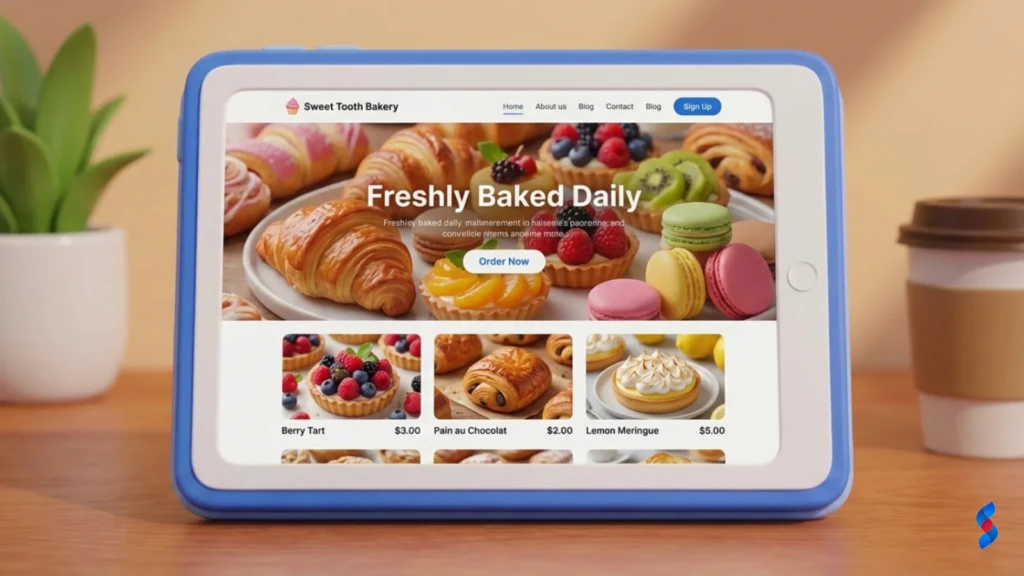
A local bakery wanted to increase its online sales and reach a wider audience. They implemented a PPC campaign targeting keywords related to cakes, pastries, and desserts. Within three months, their online sales increased by 50% and their website traffic doubled.
Here’s what contributed to their success:
Targeted Keyword Research: They identified relevant keywords with high search volume and low competition.
Compelling Ad Copy: They created ad copy that highlighted their unique selling proposition (freshly baked goods, custom designs) and included a clear call to action (order online).
Optimized Landing Pages: They created dedicated landing pages for each product category, with high-quality images and easy-to-use order forms.
Case Study 2: Lessons Learned from a PPC Campaign Failure
A software company launched a PPC campaign targeting keywords related to their industry. However, their campaign failed to generate any leads or sales.
Here’s what went wrong:
Broad Keyword Targeting: They targeted broad keywords that attracted irrelevant traffic.
Generic Ad Copy: Their ad copy was generic and didn’t highlight their unique selling proposition.
Poor Landing Page Experience: Their landing pages were not relevant to the ad copy and didn’t provide a clear call to action.
The company learned that it’s essential to target specific keywords, create compelling ad copy, and optimize landing pages for conversions.
Troubleshooting Common PPC Problems
Even with careful planning and execution, PPC campaigns can encounter problems. Troubleshooting these issues effectively is crucial for maintaining campaign performance and achieving a positive ROI. Addressing common problems proactively can save time and resources in the long run.
Low Click-Through Rate (CTR): How to Improve Ad Relevance
A low click-through rate (CTR) indicates that your ads are not resonating with your target audience. This can be due to a variety of factors, such as irrelevant keywords, poor ad copy, or low ad position.
Here are some tips for improving your CTR:
Improve Keyword Relevance: Ensure that your keywords are highly relevant to your ad copy and landing pages.
Write Compelling Ad Copy: Use strong headlines, highlight your unique selling proposition, and include a clear call to action.
Improve Ad Position: Increase your bids or improve your Quality Score to improve your ad position.
Use Ad Extensions: Ad extensions can provide additional information about your business and make your ads more visible.
High Cost Per Click (CPC): Optimizing Bids and Keywords
A high cost per click (CPC) can eat into your advertising budget and reduce your ROI. This can be due to high competition for your target keywords, low Quality Score, or inefficient bidding strategies.
Here are some tips for optimizing your bids and keywords:
Refine Your Keyword List: Remove irrelevant or low-performing keywords.
Improve Your Quality Score: Improve your ad relevance, landing page experience, and expected CTR.
Use Bid Management Strategies: Use automated bid management strategies to optimize your bids based on your target CPA or ROAS.
Consider Long-Tail Keywords: Long-tail keywords often have lower CPCs and higher conversion rates.
Low Conversion Rate: Enhancing Landing Pages and User Experience
A low conversion rate indicates that your landing pages are not effectively converting clicks into customers. This can be due to a variety of factors, such as poor landing page design, irrelevant content, or a confusing user experience.
Here are some tips for enhancing your landing pages and user experience:
Match Your Landing Page to Your Ad Copy: Ensure that your landing page content is consistent with the message in your ad.
Use a Clear and Concise Headline: Your headline should immediately grab the user’s attention and tell them what your page is about.
Highlight the Benefits, Not Just the Features: Focus on how your product or service will solve the user’s problem or improve their life.
Include Social Proof: Show testimonials, reviews, and case studies to build trust and credibility.
Make it Easy to Convert: Use a clear call to action, a simple form, and a secure checkout process.
Negative ROI: Identifying and Fixing Problem Areas
A negative ROI indicates that your PPC campaigns are losing money. This can be due to a combination of factors, such as low CTR, high CPC, and low conversion rate.
To fix a negative ROI, you need to identify and address the problem areas in your campaigns. This involves analyzing your data, identifying trends, and making adjustments to your keywords, ad copy, landing pages, and bidding strategies.
Conclusion: Is PPC Right for Your Business? A Final Checklist
PPC for business offers a powerful way to reach targeted audiences, generate leads, and drive sales. However, it’s not a magic bullet. It requires careful planning, execution, and ongoing optimization. By understanding the core benefits, assessing your business’s readiness, considering key factors, choosing the right platform, avoiding common mistakes, calculating your potential ROI, and troubleshooting common problems, you can maximize your chances of success with PPC.
Recap of Key Considerations
Before diving into PPC, remember to:
Define Your Business Goals: What do you want to achieve with your advertising campaigns?
Assess Your Website Optimization: Is your website optimized for conversions?
Allocate Sufficient Resources: Do you have the time and resources to manage PPC campaigns effectively?
Establish a Target CAC: How much are you willing to spend to acquire a new customer?
Choose the Right Platform: Which PPC platform is best suited for your business and target audience?
Actionable Steps for Getting Started with PPC
1. Conduct Thorough Keyword Research: Identify relevant and high-converting keywords.
2. Write Compelling Ad Copy: Craft clear, concise, and persuasive ad copy.
3. Optimize Your Landing Pages: Ensure that your landing pages are relevant, easy to navigate, and optimized for conversions.
4. Track Your Results: Monitor your campaign performance and make adjustments to improve your ROI.
5. Continuously Test and Optimize: A/B test your ad copy, landing pages, and bidding strategies to see what performs best.
Alternatives to PPC: Exploring Other Digital Marketing Strategies
If PPC isn’t the right fit for your business, consider exploring other digital marketing strategies, such as:
Search Engine Optimization (SEO): Optimizing your website to rank higher in search engine results pages.
Social Media Marketing: Building relationships with your target audience on social media platforms.
Email Marketing: Building a list of subscribers and sending them targeted emails.
Content Marketing: Creating and distributing valuable, relevant, and consistent content to attract and engage your target audience.
Ultimately, the best digital marketing strategy is the one that aligns with your business goals, target audience, and resources. At SkySol Media, we believe that a holistic approach that combines multiple strategies is often the most effective. We’ve helped countless businesses, from startups to established enterprises, navigate the complexities of the digital landscape and achieve their marketing objectives. We are confident that by following the guidelines outlined in this guide, you can make an informed decision about whether PPC is right for your business and, if so, how to implement it successfully.
We are here to help you navigate the world of PPC for business and achieve your marketing goals.
Q: How much does PPC cost?
A: The cost of PPC varies depending on a number of factors, such as your industry, target audience, and competition. However, you can typically expect to pay anywhere from a few cents to several dollars per click.
Q: How long does it take to see results from PPC?
A: You can start to see results from PPC within days or even hours of launching your campaigns. However, it takes time to optimize your campaigns and see a significant return on investment.
Q: Can I manage PPC myself, or should I hire an agency?
A: You can manage PPC yourself if you have the time, skills, and knowledge. However, if you’re not familiar with PPC, it’s best to outsource this task to a qualified agency or consultant.
Q: What is Quality Score?
A: Quality Score is a metric used by Google Ads to assess the quality and relevance of your keywords, ad copy, and landing pages. A high Quality Score can lead to lower costs per click and better ad positions.
Q: How do I track conversions in PPC?
A: You can track conversions in PPC by setting up conversion tracking in your PPC platform and installing conversion tracking code on your website.
Q: What are ad extensions?
A: Ad extensions are additional pieces of information that you can add to your ads, such as phone numbers, location information, and sitelinks. Ad extensions can make your ads more visible and provide additional information to potential customers.
Q: What is remarketing?
A: Remarketing is a strategy that allows you to target users who have previously visited your website or interacted with your business. This can be an effective way to re-engage potential customers and drive conversions.
Is your PPC budget delivering the returns you expect? Learn to optimize your ad spend and achieve a stunning ROI. Our guide provides actionable strategies for effective PPC campaign management and budgeting in 2025.
Is your PPC spend vanishing without results? This guide reveals how to diagnose and fix a PPC budget burning a hole in your pocket. Discover proven strategies to optimize your campaigns, maximize ROI, and achieve PPC success. Stop wasting money now!
Worried your PPC agency is overcharging or underperforming? Arm yourself with these 11 crucial questions to uncover hidden fees, assess campaign effectiveness, and ensure you're getting the best return on your ad spend. Take control of your PPC budget today!
Discover if PPC is the right marketing strategy for your business in 2025. This guide offers a candid assessment of PPC, its benefits, potential drawbacks, and whether it aligns with your business goals and budget. Make an informed decision about your advertising future.
Discover proven strategies to stop PPC budget waste. This guide reveals common pitfalls and actionable tips to optimize your campaigns for maximum ROI. Learn how to refine targeting, improve ad quality, and track key metrics to ensure every dollar counts and drive profitable results.
Explore if PPC for business is the right strategy. Get a candid assessment, understand the pros and cons, and learn how to make data-driven decisions for your marketing investments. Discover if PPC aligns with your business goals in 2025.