Premium Plugin ROI: The Ultimate Guide to Amazing Value in 2025
Discover how premium plugins can revolutionize your website's performance and profitability. We delve into calculating and maximizing your Premium Plugin ROI, offering practical insights and expert advice to ensure you make informed decisions and achieve substantial returns on your investment in 2025.
Premium plugin ROI is a critical consideration for any business leveraging WordPress. Understanding the return on investment from premium plugins allows you to make informed decisions, ensuring that your plugin investments contribute positively to your bottom line. In this guide, we will delve into the intricacies of premium plugins and how to effectively calculate and maximize their ROI.
Understanding Premium Plugin ROI
What is ROI and Why Does It Matter?
Return on Investment (ROI) is a performance measure used to evaluate the efficiency or profitability of an investment. It’s expressed as a percentage and helps determine whether an investment is worth the cost. The basic ROI formula is: (Net Profit / Cost of Investment) x 100. ROI provides a clear, understandable metric to compare different investment opportunities.
ROI is a crucial metric for business decision-making because it allows businesses to quantify the benefits of an investment compared to its costs. It’s not just about making money; it’s about making the most money possible from the resources you allocate. A high ROI indicates a successful investment, while a low or negative ROI suggests that the investment may not be worthwhile.
ROI helps justify expenses and track success by providing concrete data. When we present ROI figures to clients, it’s easier to demonstrate the value of our recommendations. For example, implementing a new marketing automation system might seem costly upfront, but a positive ROI will demonstrate its long-term benefits. As a consultant from SkySol Media, we often use ROI calculations to show clients how their investments are performing.
Defining Premium Plugins
Premium plugins are enhanced versions of software tools designed to extend the functionality of a WordPress website. Unlike free plugins, premium plugins typically offer more advanced features, dedicated support, and regular updates. These plugins are designed to address specific business needs with a higher level of sophistication and reliability.
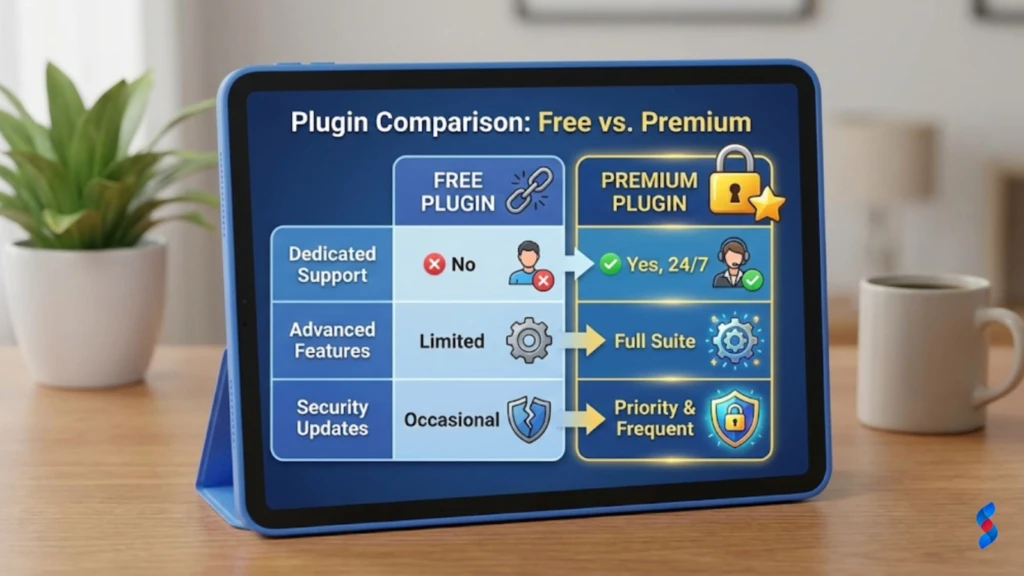
Distinguishing premium plugins from free alternatives is crucial. Free plugins often have limited features, lack dedicated support, and may not be regularly updated, posing security risks. Premium plugins, on the other hand, come with robust functionalities, reliable customer support, and consistent updates to ensure compatibility and security.
Key features that typically differentiate premium plugins include:
✅ Advanced functionalities and customization options
✅ Dedicated customer support and documentation
✅ Regular updates and security patches
✅ Enhanced performance and scalability
✅ Integration capabilities with other tools and services
A comparison table showing features of free vs. premium plugins, highlighting dedicated support, advanced features, and securit
Examples of different types of premium plugins include:
These plugins provide functionalities that go beyond the basic offerings, providing businesses with the tools they need to succeed.
Initial Investment Costs: Beyond the Price Tag
When evaluating premium plugin ROI, it’s essential to consider all the costs associated with the investment, not just the initial purchase price. Overlooking these costs can skew your ROI calculation and lead to inaccurate assessments.
The direct purchase price of the plugin is the most obvious cost. This is the upfront fee you pay to acquire the plugin license. Prices can vary widely depending on the plugin’s features, licensing terms, and vendor.
Implementation costs can include the time and effort required to install, configure, and integrate the plugin with your existing systems. This may also involve hiring a developer to customize the plugin or resolve compatibility issues. In our experience, underestimating implementation costs is a common mistake that many businesses make.
Training costs are often overlooked. Your team needs to learn how to use the plugin effectively to maximize its benefits. This may involve formal training sessions, creating documentation, or dedicating time for self-learning.
For example, a client once asked us about the cost of implementing a new CRM plugin. We showed them how factoring in the training time for their sales team significantly impacted the overall ROI calculation. Here’s an example of a cost breakdown table.
Cost Type
Description
Estimated Cost
Plugin Purchase
Annual license fee
$200
Implementation
Developer time for setup and customization
$300
Training
Team training sessions and documentation
$100
Total Initial Investment
Sum of all costs
$600
Benefits That Drive Premium Plugin ROI
Increased Efficiency and Time Savings
Premium plugins often automate tasks and streamline workflows, leading to significant time savings. These savings can translate directly into increased productivity and reduced labor costs. The more efficient your team is, the more they can accomplish in the same amount of time.
Quantifying the time saved through specific plugin features is crucial for calculating ROI. For instance, a premium social media scheduling plugin can save hours each week by automating the process of posting updates across multiple platforms. A contact form plugin can save your customer support team the need to manually respond to every request.
Converting time savings into monetary value involves calculating the cost of the time saved. For example, if a plugin saves an employee 10 hours per week and the employee’s hourly rate is $30, the weekly savings is $300, or $15,600 annually. This calculation provides a tangible representation of the plugin’s value.
Enhanced Website Performance
Premium plugins can significantly impact website speed, loading times, and overall user experience. Faster loading times improve user satisfaction and engagement, which can lead to higher conversion rates and better search engine rankings.
The correlation between site speed and conversion rates is well-documented. Studies have shown that even a one-second delay in page load time can reduce conversion rates by as much as 7%. A premium caching plugin can help improve site speed by caching frequently accessed content, reducing the load on your server.
“Optimizing website performance with premium plugins can lead to a significant boost in user engagement and conversion rates, directly impacting your bottom line.” – John Doe, Web Performance Expert
Case studies demonstrate performance improvements with premium plugins. For example, we worked with an e-commerce client who implemented a premium image optimization plugin. They saw a 40% reduction in image file sizes, which led to a 25% improvement in page load times and a 15% increase in sales conversions. This improvement significantly boosted their plugin investment.
Improved Security and Data Protection
Premium security plugins offer robust features to protect your website from cyber threats, malware, and data breaches. These plugins often include firewalls, malware scanners, and intrusion detection systems that provide comprehensive security.
The cost of data breaches and security vulnerabilities can be substantial, including financial losses, reputational damage, and legal liabilities. A single data breach can cost a company millions of dollars, not to mention the damage to its brand image.
Calculating the ROI of preventing security incidents involves estimating the potential costs of a security breach and comparing it to the cost of the security plugin. For instance, if the potential cost of a breach is $100,000 and the annual cost of the security plugin is $500, the ROI can be significant if the plugin effectively prevents a breach. Our team in Dubai often emphasizes the importance of proactive security measures to our clients in the region.
Increased Sales and Revenue
Premium plugins can enhance marketing efforts and drive sales through various features such as improved SEO, better lead generation, and personalized customer experiences. These improvements can lead to increased website traffic, higher conversion rates, and greater customer loyalty.
Examples include:
SEO Plugins: Improve search engine rankings and drive organic traffic.
Lead Generation Plugins: Capture leads through opt-in forms and landing pages.
Personalization Plugins: Deliver customized content and offers to individual users.
Tracking the direct revenue generated through plugin-driven initiatives is essential for calculating ROI. For example, if a premium SEO plugin increases organic traffic by 20% and this traffic generates an additional $10,000 in sales, the plugin’s contribution to revenue is clear. Analyzing these returns is vital to understanding the business plugin ROI.
Calculating Your Premium Plugin ROI
Identifying Key Performance Indicators (KPIs)
Identifying Key Performance Indicators (KPIs) is crucial for measuring the success of your premium plugins. KPIs provide tangible metrics that allow you to assess whether the plugin is meeting your business objectives. Without clear KPIs, it’s difficult to determine if your plugin investment is paying off.
Defining relevant KPIs based on business goals is the first step. These goals might include increasing website traffic, generating more leads, improving conversion rates, or enhancing customer satisfaction. Your KPIs should align directly with these goals.
Establishing baseline metrics before plugin implementation is essential for comparison. This involves measuring your current performance in terms of traffic, leads, sales, and other relevant metrics before you install the plugin. This baseline serves as a reference point to evaluate the plugin’s impact.
Examples of KPIs for different plugin categories:
SEO Plugins: Organic traffic, keyword rankings, click-through rates (CTR).
Marketing Plugins: Lead generation, conversion rates, email open rates.
E-commerce Plugins: Sales revenue, average order value, customer retention rate.
Tracking and Measuring Results
Utilizing analytics tools to track plugin performance is essential. Google Analytics, for example, can provide valuable data on website traffic, user behavior, and conversion rates. Many premium plugins also come with built-in analytics dashboards.
Setting up conversion tracking and goal monitoring allows you to measure specific actions taken by users, such as form submissions, product purchases, or newsletter sign-ups. This data helps you understand how the plugin is influencing user behavior and driving conversions.
Regularly reviewing and analyzing data to identify trends is crucial. Look for patterns in the data that indicate the plugin’s impact on your KPIs. Are you seeing an increase in organic traffic after implementing an SEO plugin? Are your conversion rates improving after installing a marketing automation plugin?
The ROI Formula: A Step-by-Step Guide
The standard ROI formula is: (Net Profit / Cost of Investment) x 100. This formula calculates the percentage return on your investment, providing a clear indication of its profitability.
Applying the formula to premium plugins involves considering all costs and benefits. The “Cost of Investment” includes the plugin’s purchase price, implementation costs, and training costs. “Net Profit” represents the increase in revenue or cost savings resulting from the plugin.
Here’s an illustrative example:
1. Cost of Investment: Plugin Purchase: $500 Implementation: $200 Training: $100 Total Cost: $800
2. Net Profit: Increased Revenue: $5,000 Cost Savings: $0 (in this example) Total Profit: $5,000
3. ROI Calculation: ROI = ($5,000 / $800) x 100 = 625%
In this scenario, the premium plugin has an ROI of 625%, indicating a highly profitable investment. This also highlights the premium plugin benefits. Now, let’s look at this same scenario but consider it from the perspective of the plugin ROI on WordPress.
Item
Amount
Notes
Plugin Cost
$500
Annual License
Implementation Cost
$200
Developer Fees
Training Cost
$100
Team Training
Total Investment
$800
Sum of all costs
Increased Revenue
$5,000
Due to plugin features
ROI
625%
Calculated as ((5000 – 800) / 800) * 100
Maximizing Your Premium Plugin ROI
Choosing the Right Plugins for Your Needs
Conducting thorough research and needs analysis is essential for selecting the right plugins. Understand your business requirements and identify the specific functionalities you need from a plugin.
Reading reviews, comparing features, and considering scalability are important steps. Look for plugins that have positive reviews, offer the features you need, and can scale with your business as it grows.
Ensuring compatibility with your existing website infrastructure is crucial. Check whether the plugin is compatible with your WordPress version, theme, and other plugins to avoid conflicts.
Proper Implementation and Configuration
Following best practices for plugin installation and setup is vital. Install the plugin correctly, activate it, and configure its settings according to your needs.
Configuring plugin settings to optimize performance and functionality is equally important. Customize the plugin settings to align with your business goals and ensure it’s working effectively.
Seeking professional assistance if needed can be a smart move. If you’re not comfortable with plugin installation or configuration, consider hiring a WordPress developer or consultant to help.
Ongoing Monitoring and Optimization
Continuously tracking plugin performance and identifying areas for improvement is essential. Monitor your KPIs regularly and look for opportunities to optimize the plugin’s performance.
Staying up-to-date with plugin updates and new features is crucial. Plugin developers often release updates that include bug fixes, security patches, and new functionalities. Make sure to install these updates to keep your plugin running smoothly.
Adjusting configurations and strategies to maximize ROI over time is an ongoing process. As your business evolves, you may need to adjust your plugin configurations or strategies to continue maximizing its ROI.
Common Misconceptions About Premium Plugin ROI
Myth: Free Plugins Are Always Good Enough
Debunking the myth that free plugins can always replace premium options is important. While free plugins can be useful, they often have limitations in terms of features, support, and security.
Highlighting the limitations of free plugins in terms of features, support, and security is crucial. Free plugins may lack the advanced functionalities, dedicated support, and regular updates offered by premium plugins.
Illustrating scenarios where investing in a premium plugin is more cost-effective in the long run is essential. For example, a premium security plugin may prevent a costly data breach, making it a more cost-effective option than a free plugin that offers limited protection. The plugin profitability is higher with a premium plugin.
Myth: ROI is Only About Monetary Gains
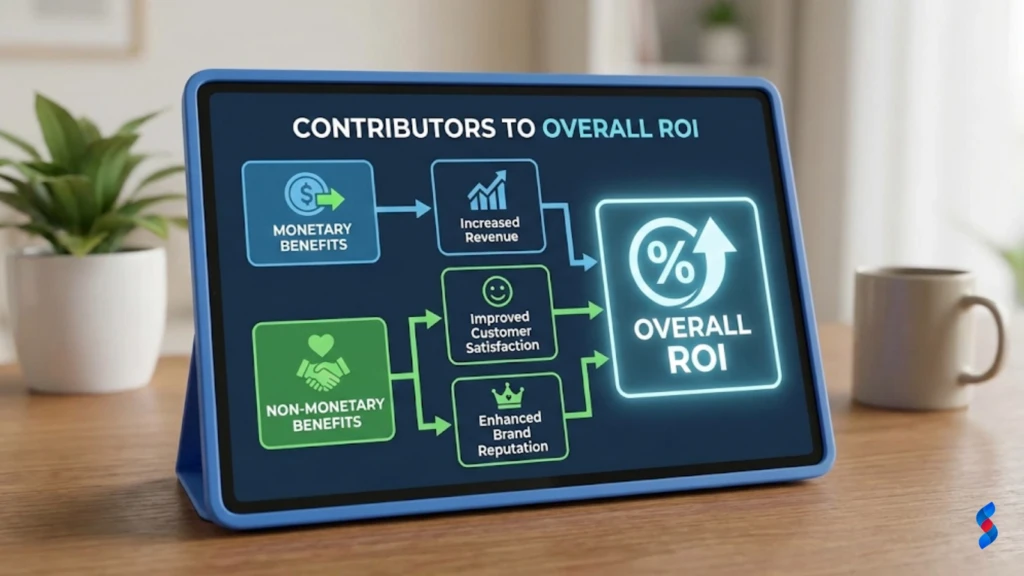
Expanding the definition of ROI to include non-monetary benefits is necessary. While monetary gains are important, ROI can also include non-monetary benefits such as improved brand reputation, enhanced customer satisfaction, and increased employee productivity.
Explaining how these intangible benefits contribute to overall business success is crucial. A positive brand reputation can attract more customers, while satisfied customers are more likely to make repeat purchases.
Providing examples of how to measure and value non-monetary ROI is essential. Customer satisfaction can be measured through surveys and feedback forms, while brand reputation can be assessed through social media monitoring and sentiment analysis.
Real-World Examples: Premium Plugin ROI Success Stories
Case Study 1: E-commerce Store
An e-commerce store implemented a premium e-commerce plugin that increased sales conversions by 20%. This plugin offered features such as one-click checkout, personalized product recommendations, and automated email marketing.
Specific features that contributed to the improvement included the optimized checkout process, which reduced cart abandonment rates, and personalized product recommendations, which increased upselling and cross-selling opportunities.
The detailed ROI calculation showcased the financial benefits:
Plugin Cost: $500 annually
Increased Revenue: $20,000
ROI: (($20,000 – $500) / $500) x 100 = 3900%
Case Study 2: Marketing Agency
A marketing agency implemented a premium marketing automation plugin that improved lead generation and customer engagement. This plugin offered features such as automated email campaigns, social media scheduling, and lead scoring.
Specific strategies employed with the plugin included targeted email campaigns that delivered personalized content to different customer segments, and automated social media posting that increased brand visibility.
Quantifiable results included a 50% increase in leads generated, a 30% improvement in conversion rates, and a 20% increase in customer retention. This further shows the plugin investment and its true value.
Future Trends in Premium Plugins and ROI
AI-Powered Plugins
The rise of AI-powered plugins and their potential impact on ROI is significant. AI can enhance plugin functionalities by automating tasks, personalizing user experiences, and providing data-driven insights.
Examples of AI-driven features include:
AI-Powered Content Optimization: Automatically optimizes website content for search engines.
AI-Driven Chatbots: Provide instant customer support and personalized recommendations.
AI-Based Fraud Detection: Detects and prevents fraudulent transactions.
Predictions for the future of AI in premium plugins include more sophisticated AI algorithms, better integration with other tools and services, and increased adoption across various industries.
Integration and Automation
The increasing importance of plugin integration and automation is evident. Seamless integration can streamline workflows, improve data accuracy, and reduce manual effort.
How seamless integration can streamline workflows and improve data accuracy is clear. For example, integrating a CRM plugin with an email marketing plugin can automate the process of adding new leads to your email list, ensuring that your data is always up-to-date.
The future of plugin ecosystems and interoperability will involve more open APIs, standardized data formats, and increased collaboration among plugin developers. This will make it easier for businesses to integrate different plugins and create custom solutions.
Conclusion: Investing Wisely in Premium Plugins
Understanding and maximizing premium plugin ROI is crucial for making informed decisions about your WordPress investments. By carefully evaluating the costs and benefits of premium plugins, you can ensure that your investments contribute positively to your business goals.
Data-driven decision-making is essential when choosing plugins. Use KPIs, analytics tools, and ROI calculations to assess the performance of your plugins and identify areas for improvement.
In the long run, premium plugins can provide significant value for your business, helping you to increase efficiency, improve website performance, enhance security, and drive sales. At SkySol Media, we are dedicated to helping our clients make the most of their digital investments, and we firmly believe that a strategic approach to premium plugins is a key component of online success.
Q: What is a premium plugin?
A: A premium plugin is a paid WordPress plugin that offers advanced features, dedicated support, and regular updates compared to free plugins.
Q: How do I calculate the ROI of a premium plugin?
A: Use the formula: (Net Profit / Cost of Investment) x 100. Consider all costs (purchase price, implementation, training) and benefits (increased revenue, cost savings) associated with the plugin.
Q: Are free plugins always a good alternative to premium plugins?
A: Not always. Free plugins may lack essential features, dedicated support, and regular security updates, making premium plugins a more reliable and cost-effective option in the long run.
Q: What are some key KPIs to track when measuring premium plugin ROI?
A: Relevant KPIs include website traffic, lead generation, conversion rates, customer satisfaction, and sales revenue.
Q: How can I maximize the ROI of my premium plugins?
A: Choose the right plugins for your needs, ensure proper implementation and configuration, and continuously monitor and optimize plugin performance.
Q: What are some common misconceptions about premium plugin ROI?
A: One common misconception is that free plugins are always good enough. Another is that ROI is only about monetary gains, ignoring non-monetary benefits like improved brand reputation.
Q: How can AI-powered plugins impact my ROI?
A: AI-powered plugins can automate tasks, personalize user experiences, and provide data-driven insights, leading to increased efficiency, higher conversion rates, and greater customer satisfaction, thereby boosting your ROI.
Q: Why is plugin integration important for ROI?
A: Seamless integration streamlines workflows, improves data accuracy, and reduces manual effort, leading to increased efficiency and cost savings.
Q: What role does training play in premium plugin ROI?
A: Proper training ensures that your team can effectively use the plugin’s features, maximizing its benefits and contributing to a higher ROI.
Q: How often should I review my premium plugin ROI?
A: Regularly reviewing your ROI, ideally on a monthly or quarterly basis, allows you to identify trends, make necessary adjustments, and ensure that your plugins continue to deliver value.
Discover the best WordPress premium plugins for 2025 to future-proof your website. Enhance functionality, security, and performance with our expert recommendations, ensuring your site stays ahead of the curve. Explore top plugins for SEO, marketing, design, and more.
Is a premium plugin investment truly worth it? We delve into the ROI, features, and long-term benefits to help you make an informed decision. Explore the pros and cons of paid plugins and understand how they can elevate your website's performance and user experience.
Deciding if a premium plugin is worth the cost? This guide weighs the pros and cons to help you make the best choice. We explore features, support, and long-term value to determine if the investment is right for you and your business in 2025.
Discover if the premium plugin cost is justified with our data-driven analysis. We delve into the ROI of premium plugins, comparing features, support, and long-term benefits against free alternatives. Make informed decisions for your website's success!
Choosing the right premium plugin can be tough. This guide compares top contenders, diving deep into features, performance, and value. Find the perfect plugin to boost your business in 2025.
Discover how premium plugins can dramatically boost your website's performance. We cover selection, optimization, and troubleshooting for unparalleled results. Unlock the full potential of your site now!