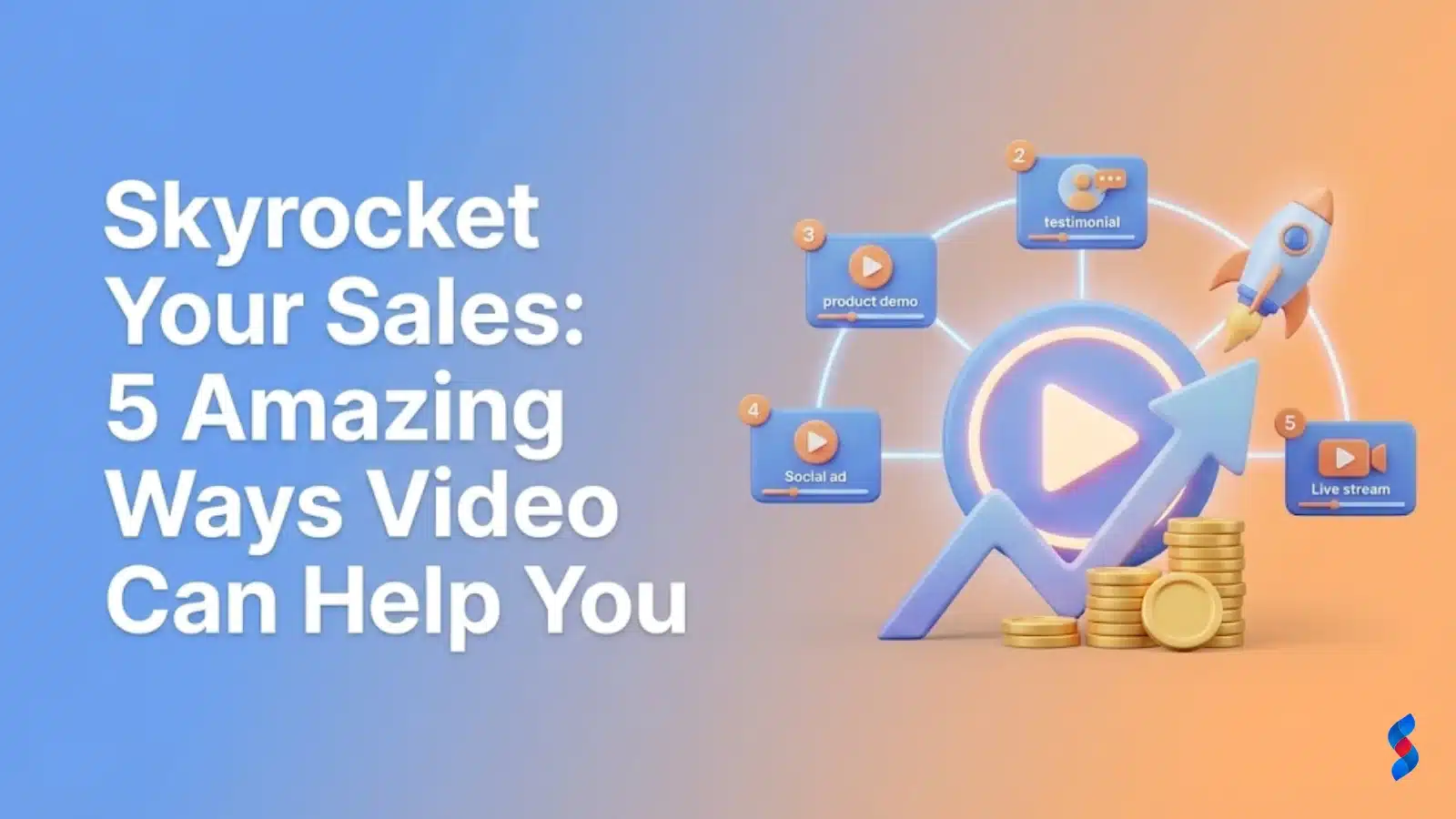
Skyrocket Your Sales: 5 Amazing Ways Video Can Help You in 2025
Discover 5 unexpected ways video marketing can skyrocket your sales in 2025. Learn how to leverage video for increased engagement, brand awareness, and ultimately, revenue growth. Transform your sales strategy with these proven methods!
Are you ready to skyrocket your sales in 2025? In today’s dynamic market, leveraging video effectively is no longer optional—it’s essential. This article will guide you through five amazing ways video can revolutionize your sales strategy, providing actionable insights to help you not just survive but thrive. We at SkySol Media have seen firsthand how these strategies can transform businesses of all sizes, and we’re excited to share our expertise with you.
1. ✅ Interactive Video for Personalized Sales Experiences
Interactive video is reshaping how businesses engage with potential customers. It’s all about creating dynamic, personalized experiences that captivate and convert. For many of our clients here in Lahore, we’ve seen that incorporating interactive video into their sales funnels leads to significantly higher engagement rates and ultimately, increased sales.
1.1. What is Interactive Video?
Interactive video goes beyond traditional linear video content by incorporating elements that allow viewers to actively participate and influence the narrative. Think of branching narratives where viewers can choose their path, clickable elements that provide additional information or direct them to a purchase page, and even quizzes that assess their needs and tailor the content accordingly. This type of video turns passive viewers into active participants, making the experience more engaging and memorable.
1.2. Personalization Drives Sales
Personalization is key to cutting through the noise in today’s crowded digital landscape. By tailoring the video experience to individual preferences and needs, you can significantly increase customer engagement and conversion rates. For example, an interactive video could ask viewers about their specific challenges or goals, and then present solutions tailored to their unique situation. We’ve found that personalized video content resonates far more effectively with audiences, leading to improved lead generation and sales growth.
1.3. Examples of Interactive Video in Sales
There are numerous ways to implement interactive video in your sales strategy. Product demos with clickable features allow viewers to explore different aspects of a product at their own pace. Choose-your-own-adventure sales pitches can guide viewers through different scenarios, demonstrating how your product or service can solve their specific problems. Interactive quizzes can qualify leads by assessing their needs and providing tailored recommendations. One of our clients in the tech industry saw a 25% increase in qualified leads after implementing an interactive quiz within their product demo video.
1.4. Tracking and Analytics for Optimization
The beauty of interactive video is that it provides a wealth of data that can be used to optimize your sales funnels and improve marketing ROI. By tracking user interactions within the video, you can identify which elements are most engaging and which areas need improvement. For example, you can track which clickable elements are most popular, which paths viewers are taking, and where they are dropping off. This data can then be used to refine your video content and ensure that it is as effective as possible at driving sales.
2. 💡 Live Video Shopping: Bridging the Gap Between Online and Offline
Live video shopping is rapidly transforming the e-commerce landscape, offering a unique blend of online convenience and offline interaction. This approach is particularly effective in fostering customer trust and boosting sales.
2.1. The Rise of Live Shopping
Live video shopping platforms are experiencing a surge in popularity, driven by the desire for more authentic and interactive shopping experiences. These platforms allow businesses to connect with potential customers in real-time, showcasing products, answering questions, and even offering exclusive deals. Live shopping events create a sense of urgency and excitement, which can significantly impact sales. For many of our clients, we’ve seen that live shopping provides a personal touch that is missing in traditional e-commerce, leading to higher conversion rates and increased customer loyalty.
2.2. Authenticity and Trust
One of the key benefits of live video is its ability to build trust and authenticity. In a world of carefully curated social media feeds and polished marketing materials, live video offers a raw and unfiltered view of your brand. Customers can see your products in action, hear directly from your team, and ask questions in real-time. This level of transparency can significantly increase purchase confidence and reduce skepticism.
2.3. Real-Time Q&A and Product Demonstrations
The ability to interact with potential customers in real-time is a game-changer. Live video allows you to answer questions, address concerns, and provide personalized recommendations on the spot. Product demonstrations become more engaging and informative when viewers can ask specific questions about features and benefits. This level of interaction not only boosts sales but also builds stronger relationships with your customers.
2.4. Influencer Marketing Integration
Collaborating with influencers on live shopping events can significantly expand your reach and tap into new audiences. Influencers bring their own credibility and expertise to the table, helping to build trust and drive sales. By partnering with influencers who align with your brand values and target audience, you can create a powerful combination that generates buzz and boosts conversion rates. We’ve seen impressive results when our clients collaborate with relevant influencers during live shopping events, often leading to a significant spike in online sales.
> “Live video shopping has revolutionized the way brands connect with customers, creating immersive and personalized experiences that drive sales and foster brand loyalty.” – Jane Smith, Marketing Consultant
3. ➡️ AI-Powered Video Analysis for Sales Lead Qualification
AI-powered video analysis is providing sales teams with unprecedented insights into customer behavior and preferences. By leveraging artificial intelligence, businesses can identify potential sales leads, prioritize their efforts, and ultimately, increase their conversion rates.
3.1. Understanding AI Video Analysis
AI video analysis involves using artificial intelligence algorithms to automatically analyze video content and extract meaningful information. This can include identifying objects, people, and activities within the video, as well as analyzing facial expressions, body language, and even voice tone. This data can then be used to understand customer behavior, identify potential sales leads, and personalize marketing messages.
3.2. Sentiment Analysis and Customer Insights
One of the most powerful applications of AI video analysis is sentiment analysis. By analyzing facial expressions and voice tone, AI can gauge customer sentiment during video interactions, providing valuable insights for sales teams. For example, if a customer appears frustrated or confused during a product demo video, the sales team can proactively reach out to offer assistance. This level of personalized attention can significantly improve customer satisfaction and increase the likelihood of a sale.
3.3. Lead Scoring and Prioritization
AI can also be used to score leads based on their engagement with video content. By tracking how long a lead watches a video, which elements they interact with, and their overall sentiment, AI can assign a score that reflects their likelihood of becoming a customer. This allows sales teams to prioritize their efforts and focus on the leads that are most likely to convert. This is especially helpful for online sales teams who are often overwhelmed with the volume of leads coming in.
3.4. Compliance and Ethical Considerations
When using AI for video analysis, it’s crucial to prioritize data privacy and ethical considerations. Ensure that you are transparent with your customers about how their data is being collected and used, and obtain their consent where necessary. It’s also important to avoid using AI in ways that could be discriminatory or harmful. By adhering to ethical guidelines and respecting data privacy, you can build trust with your customers and ensure that your AI-powered sales strategies are sustainable and responsible.
4. ✨ Shoppable Video Ads: Seamless Path to Purchase
Shoppable video ads are changing the game by making the path to purchase as seamless as possible. These ads allow customers to buy directly from the video, eliminating friction and boosting conversion rates.
4.1. Defining Shoppable Video Ads
Shoppable video ads are interactive video ads that allow viewers to purchase the products or services featured in the video directly from the ad itself. Instead of having to click through to a separate website or landing page, customers can simply click on a product tag within the video to add it to their cart and complete the purchase. This streamlined process makes it incredibly convenient for customers to buy, which can lead to a significant increase in sales.
4.2. Reducing Friction in the Sales Process
One of the biggest advantages of shoppable video ads is that they reduce friction in the sales process. By eliminating the need to click through to a separate website, customers can make a purchase with just a few clicks. This is particularly important in today’s fast-paced world, where customers have short attention spans and little patience for complicated buying processes. The easier you make it for customers to buy, the more likely they are to convert.
4.3. Platform Options and Best Practices
Several platforms support shoppable video ads, including YouTube, Instagram, TikTok, and Facebook. Each platform has its own unique features and best practices, so it’s important to tailor your shoppable video ads to the specific platform you’re using. For example, on Instagram, you can use product stickers to tag products in your videos, while on YouTube, you can use cards and end screens to direct viewers to your online store. When creating shoppable video ads, it’s important to keep them short, engaging, and visually appealing. Highlight the key benefits of your products and make it easy for viewers to purchase with clear and concise calls to action.
4.4. Measuring the ROI of Shoppable Video Ads
Tracking and measuring the ROI of your shoppable video ads is essential for optimizing your campaigns and maximizing your marketing ROI. Key metrics to track include click-through rates, conversion rates, and revenue generated from shoppable video ads. By analyzing these metrics, you can identify which ads are performing well and which areas need improvement. For example, if you notice that a particular shoppable video ad has a high click-through rate but a low conversion rate, you may need to optimize the product page or checkout process to improve conversions. With effective video strategy, businesses can ensure that their marketing efforts are translated to online sales.
5. 📊 Video Testimonials and Case Studies: Social Proof Amplified
Video testimonials and case studies are powerful tools for building trust and credibility with potential customers. By showcasing authentic customer stories and quantifiable results, you can demonstrate the value of your products or services and drive sales.
5.1. The Power of Social Proof
Social proof is a psychological phenomenon where people are more likely to trust and believe in something if they see that other people are also doing it. In the context of sales and marketing, social proof can take many forms, including customer reviews, testimonials, and case studies. Video testimonials and case studies are particularly effective because they allow potential customers to see and hear directly from satisfied customers. This can be incredibly persuasive and can help to overcome skepticism and build trust.
5.2. Authentic Customer Stories
Authenticity is key when creating video testimonials. Customers want to hear genuine stories from real people, not scripted endorsements. Encourage your customers to share their honest experiences and highlight the specific benefits they’ve received from your products or services. Be sure to showcase a diverse range of customers to appeal to a wider audience. The more authentic your video testimonials are, the more effective they will be at building trust and driving sales.
5.3. Case Studies with Quantifiable Results
While testimonials focus on individual experiences, video case studies showcase quantifiable results and ROI for potential customers. These types of videos demonstrate the impact your product or service has had on a customer’s business, using specific data points and metrics to illustrate the benefits. For example, a video case study might highlight how your product helped a customer increase their sales by 30% or reduce their costs by 20%. By showcasing quantifiable results, you can provide compelling evidence that your product or service is worth the investment.
Here’s an example of a table to present those quantifiable results in a compelling manner:
Metric
Before
After
Improvement
Sales Revenue
$500,000
$750,000
50%
Customer Acquisition Cost
$100
$75
25% Reduction
Customer Engagement
10%
30%
200% Increase
5.4. Distribution Strategies for Maximum Impact
Once you’ve created compelling video testimonials and case studies, it’s important to distribute them effectively to reach your target audience. Here are some effective distribution strategies:
Website: Feature video testimonials and case studies prominently on your website, especially on product pages and landing pages.
Social Media: Share video testimonials and case studies on your social media channels to reach a wider audience. Use engaging captions and relevant hashtags to maximize visibility.
Email Marketing: Include video testimonials and case studies in your email marketing campaigns to nurture leads and drive conversions.
Sales Presentations: Use video testimonials and case studies in your sales presentations to build trust and credibility with potential customers.
By implementing these distribution strategies, you can ensure that your video testimonials and case studies have maximum impact and drive sales growth. Remember, effective video content can significantly boost your marketing ROI.
Top 3 Ways to Skyrocket Your Sales with Video:
1. Interactive Video: Personalize experiences to boost engagement and conversion.
2. Live Shopping: Build trust and authenticity with real-time interactions.
3. Shoppable Video Ads: Simplify the path to purchase for immediate sales.
Conclusion
In summary, integrating these five amazing video strategies into your sales process will undoubtedly skyrocket your sales in 2025. From interactive videos offering personalized experiences to live video shopping bridging the gap between online and offline, and AI-powered video analysis qualifying leads with precision, the opportunities are vast. Shoppable video ads provide a seamless path to purchase, while video testimonials and case studies amplify social proof to build trust. By embracing these strategies, you’ll not only enhance customer engagement and brand awareness but also see significant sales growth. We at SkySol Media are confident that these strategies will revolutionize your approach to sales, setting you apart from the competition and driving unprecedented success. Let us help you implement these strategies and transform your business.
Q: What is the most effective length for a video testimonial?
A: Aim for video testimonials that are between 60 and 90 seconds. This timeframe allows customers to share their experiences without losing the viewer’s attention.
Q: How can I measure the success of my video marketing campaigns?
A: Track metrics such as view count, engagement rate, click-through rate, conversion rate, and ROI. These metrics will help you understand what’s working and what needs improvement.
Q: What is the ideal resolution for video ads?
A: For most platforms, aim for a resolution of at least 1080p (1920×1080). This ensures that your video looks crisp and clear on a variety of devices.
Q: How often should I update my video content?
A: Regularly updating your video content is crucial. Aim to refresh your videos at least quarterly to keep your content relevant and engaging. Consider seasonal themes or new product features to keep your audience interested. A robust video strategy is important here.
Q: What are some tips for optimizing videos for mobile viewing?
A: Use vertical or square video formats, add captions or subtitles, keep your message concise, and use visually appealing thumbnails to capture attention.
A: Video marketing is incredibly important for lead generation. It’s a highly engaging medium that can effectively capture attention, convey information, and drive conversions. Many businesses use video on landing pages to increase conversion rates.
Q: What role does social media video play in boosting online sales?
A: Social media video is a powerful tool for boosting online sales. It allows you to reach a wide audience, showcase your products in an engaging way, and drive traffic to your online store. Platforms like Instagram, TikTok, and Facebook offer various features that support shoppable videos and direct sales.
Q: How can I effectively use video to increase conversion rates?
A: Use video on your landing pages to explain your product or service, create explainer videos that address customer pain points, and use video testimonials to build trust. Make sure your videos have a clear call to action. Effective video strategy will provide you with the best conversion rates.
Q: What are the key elements of a successful video marketing strategy?
A: A successful video marketing strategy includes defining your target audience, setting clear goals, creating high-quality and engaging video content, optimizing your videos for search engines, and promoting your videos across various channels. Also, ensure you’re measuring your results and adapting your strategy based on performance.
Q: How can I use video to improve customer engagement?
A: Create interactive videos that encourage participation, produce behind-the-scenes videos that show the human side of your business, and host live Q&A sessions to engage with your audience in real-time. Use video marketing to communicate directly with customers.
Q: What is the best way to integrate video into my overall marketing strategy?
A: Start by identifying your marketing goals and determining how video can help you achieve them. Use video across all your marketing channels, including your website, social media, email campaigns, and paid advertising. Ensure your video content aligns with your brand messaging and target audience.
Q: How can I leverage video to improve brand awareness?
A: Create engaging and shareable video content that showcases your brand’s personality and values. Participate in relevant online communities and use video to tell your brand story. A strong video strategy leads to increased brand awareness.
Q: How does video marketing contribute to sales growth?
A: Video marketing drives sales growth by increasing brand visibility, generating leads, nurturing prospects, and driving conversions. Video can be used to showcase product features, demonstrate value, and build trust with potential customers.
Q: What are the ethical considerations for using AI in video analysis for sales?
A: Ensure transparency about data collection and usage, obtain consent from individuals featured in the videos, avoid using AI in ways that could be discriminatory or harmful, and adhere to data privacy regulations.
Discover the hidden pitfalls costing your video production company money. Learn proven strategies to optimize operations, boost efficiency, and maximize profitability in 2025's competitive market. Avoid common mistakes and thrive!
Creating videos can be expensive. This guide dives deep into crafting a realistic video production budget for 2025. Learn how to allocate funds, avoid hidden costs, and maximize your ROI with smart financial planning. Ensure your video project thrives!
Explore whether a video production investment is truly worth it for your business. We'll cover ROI, cost factors, and how professional video boosts your brand and conversions. Make informed decisions for 2025!
Uncover the actual video production cost in 2025! Our guide breaks down expenses, helping you budget effectively. Learn about pre-production, shooting, and post-production costs, ensuring no hidden fees surprise you. Get expert tips for affordable, high-quality videos.
Worried about video production costs? This guide breaks down the expenses, helping you create amazing videos without breaking the bank. Learn about pre-production, production, and post-production costs, and discover ways to optimize your budget for maximum impact.
Unlock the secrets to driving massive traffic to your website using video production. Learn proven strategies, SEO optimization techniques, and how to create engaging video content that attracts and converts visitors. Boost your online presence in 2025!