Unlock the secrets to maximizing your video ROI! This guide dives into data-driven strategies and proven techniques to ensure your video investments deliver exceptional returns. Learn how to measure, optimize, and achieve a significant video ROI in 2025.
Video marketing has become an indispensable tool for businesses of all sizes. However, simply creating and posting videos isn’t enough. To truly maximize your investment, you need to understand and measure your video ROI. This guide will provide you with a comprehensive understanding of video ROI, its importance, and how to optimize your video strategy for 2025 to achieve the best possible results.
Key Takeaways: Boosting Your Video ROI in 2025
Understand the core metrics for calculating video ROI.
Learn how to optimize video content for maximum impact.
Discover strategies for improving lead generation through video.
Explore the importance of video analytics in ROI measurement.
Implement data-driven approaches to enhance video performance.
What Exactly is Video ROI and Why Does it Matter? 📈
Defining Video ROI
Video ROI, or Return on Investment, is a metric that measures the profitability of your video marketing efforts. It quantifies the revenue or value generated from your videos compared to the cost of producing and promoting them. Essentially, it tells you whether your video investments are paying off.
ROI is a critical metric for any business because it helps you understand the effectiveness of your marketing spend. It allows you to identify which strategies are working and which are not, enabling you to make informed decisions about resource allocation. A positive ROI indicates that your videos are generating more value than they cost, while a negative ROI suggests that you need to re-evaluate your approach.
How does video ROI differ from other marketing ROI metrics? While the basic principle remains the same, video ROI requires specific considerations related to video production, distribution, and engagement. Unlike traditional marketing channels, video offers unique opportunities for storytelling, visual engagement, and emotional connection. As a result, measuring video ROI often involves tracking metrics that are specific to video, such as view count, watch time, and audience retention.
The Growing Importance of Video Marketing
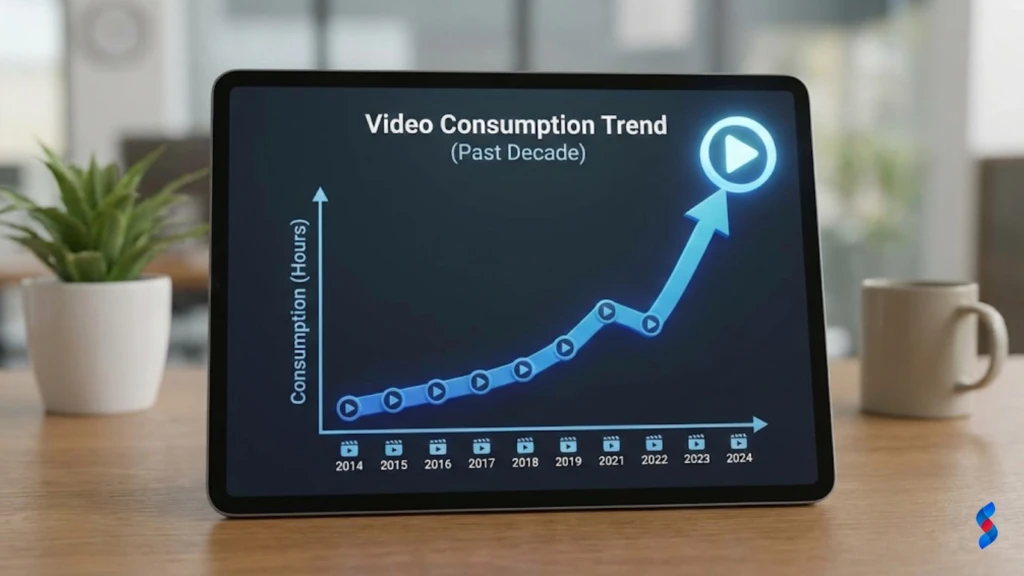
The growth of video consumption is undeniable. Consider these statistics:
YouTube has over 2.5 billion monthly active users (Statista).
People watch over 1 billion hours of video on YouTube every day (YouTube).
92% of marketers say video is an important part of their marketing strategy (HubSpot).
These figures highlight the immense popularity of video and its potential to reach vast audiences.
Video is essential for reaching modern audiences because it aligns with their preferences for consuming information. People are increasingly turning to video for entertainment, education, and product research. Video offers a more engaging and immersive experience compared to text-based content, making it more effective at capturing attention and conveying messages.
The impact of video on brand awareness and engagement is significant. Videos can help you:
Increase brand visibility and recognition.
Build trust and credibility with your audience.
Drive traffic to your website.
Generate leads and sales.
Enhance customer loyalty and advocacy.
Common Misconceptions About Video ROI
One common misconception is that video marketing is too expensive. While professional video production can be costly, there are many affordable options available, such as creating videos with smartphones or using stock footage. Furthermore, the potential ROI of video marketing often outweighs the initial investment.
Another misconception is that video is only for large businesses. In reality, businesses of all sizes can benefit from video marketing. Small businesses can use video to showcase their products or services, share customer testimonials, and build relationships with their local community.
Setting realistic expectations for video ROI is crucial. It’s important to understand that video marketing is a long-term strategy that requires consistent effort and optimization. Don’t expect to see immediate results after posting a few videos. Instead, focus on creating high-quality content, promoting your videos effectively, and tracking your results over time.
“The key to successful video marketing is to focus on creating content that provides value to your audience. If you can create videos that educate, entertain, or inspire, you’ll be well on your way to achieving a positive video ROI.” – Neil Patel
Setting Clear Goals and Objectives for Your Video Campaigns 🎯
Defining SMART Goals for Video Marketing
SMART goals are Specific, Measurable, Achievable, Relevant, and Time-bound. They provide a framework for setting clear and attainable objectives for your video marketing efforts.
Specific: Define exactly what you want to achieve with your videos. For example, “Increase website traffic by 20%.”
Measurable: Establish metrics to track your progress. For example, “Track website traffic using Google Analytics.”
Achievable: Set realistic goals that are within your reach. Consider your budget, resources, and target audience.
Relevant: Ensure that your goals align with your overall business objectives. For example, “Increasing website traffic will generate more leads and sales.”
Time-bound: Set a deadline for achieving your goals. For example, “Increase website traffic by 20% within three months.”
Examples of SMART goals for different video types include:
Brand awareness: Increase brand mentions on social media by 15% within six months.
Lead generation: Generate 50 qualified leads per month through video campaigns.
Sales: Increase online sales by 10% within one quarter.
Aligning video goals with overall business objectives is essential for ensuring that your video marketing efforts are contributing to the success of your company. For example, if your business objective is to increase market share, your video goals should focus on reaching a wider audience and building brand awareness.
Identifying Your Target Audience
Understanding your audience’s demographics, interests, and pain points is crucial for creating videos that resonate with them. Demographics include age, gender, location, income, and education level. Interests include hobbies, passions, and activities. Pain points include challenges, frustrations, and needs.
Use audience insights to tailor video content for maximum impact. For example, if your target audience is young adults interested in gaming, you might create videos featuring gameplay footage, reviews, and tutorials.
Creating audience personas can help you visualize your ideal customer and guide your video production. An audience persona is a fictional representation of your target audience, based on research and data. Include details such as their name, age, occupation, interests, goals, and pain points.
Selecting the Right Video Types for Your Goals
Explainer videos are ideal for explaining complex concepts or products in a clear and concise manner. They are often used to educate potential customers about the benefits of your offerings.
Testimonial videos are powerful tools for building trust and credibility. Featuring satisfied customers sharing their positive experiences can be highly persuasive.
Product demos are perfect for showcasing the features and benefits of your products. They allow you to demonstrate how your products work and solve customer problems.
Live videos are great for engaging with audiences in real-time. They can be used for Q&A sessions, product launches, and behind-the-scenes glimpses.
For many of our clients here in Lahore, we’ve seen that using a combination of explainer videos and customer testimonials yields the best results for lead generation.
Key Metrics to Track for Accurate Video ROI Calculation 📊
Website Traffic and Engagement
Measuring website traffic generated by video content is essential for understanding its impact on your online presence. Use analytics tools like Google Analytics to track the number of visitors who arrive on your website after watching your videos.
Tracking engagement metrics like time on page and bounce rate can provide valuable insights into how viewers are interacting with your website content. A longer time on page and a lower bounce rate indicate that visitors are engaged and interested in your offerings.
Using analytics tools to monitor website performance allows you to identify areas for improvement. For example, if you notice that visitors are leaving your website quickly after watching a video, you might need to optimize the video content or landing page.
Lead Generation and Conversions
Tracking leads generated from video campaigns is crucial for measuring their effectiveness in driving business growth. Use lead capture forms or call-to-action buttons within your videos to encourage viewers to provide their contact information.
Measuring conversion rates from video views to sales can help you determine the ROI of your video marketing efforts. Track the number of viewers who ultimately become paying customers.
Analyzing the cost per lead (CPL) for video marketing allows you to compare the efficiency of video to other marketing channels. Calculate CPL by dividing the total cost of your video campaign by the number of leads generated.
Brand Awareness and Reach
Measuring brand mentions and social shares can provide insights into the effectiveness of your videos in increasing brand visibility. Use social listening tools to track mentions of your brand name and related keywords across different platforms.
Tracking video views and impressions across different platforms is essential for understanding the reach of your videos. Monitor the number of views on YouTube, Facebook, and other video-sharing sites.
Analyzing audience sentiment towards your brand can help you understand how viewers perceive your company and its offerings. Use sentiment analysis tools to gauge the overall tone of comments and reviews related to your videos.
Social Media Engagement
Tracking likes, shares, comments, and reactions on video posts can provide insights into how viewers are responding to your content on social media. A high level of engagement indicates that your videos are resonating with your audience.
Analyzing the reach and engagement rate of social media videos is essential for understanding their impact on your social media presence. Reach refers to the number of unique users who have seen your video, while engagement rate measures the percentage of users who have interacted with your video.
Using social listening tools to monitor brand mentions can help you identify opportunities to engage with your audience and address any concerns or questions. Respond to comments and messages promptly to build relationships with your viewers.
Calculating Your Video ROI: The Formula and Practical Examples 🧮
(Revenue Generated – Cost of Investment) / Cost of Investment
Revenue Generated: The total revenue earned as a direct result of your video marketing efforts. This could be from product sales, service subscriptions, or other sources of income.
Cost of Investment: The total cost of producing and promoting your videos. This includes expenses such as video equipment, editing software, talent fees, advertising costs, and employee salaries.
Let’s illustrate with a simple example calculation:
Suppose you invested $5,000 in a lead generation video campaign and generated $20,000 in revenue. Your video ROI would be:
($20,000 – $5,000) / $5,000 = 3 or 300%
This means that for every dollar you invested in video marketing, you earned $3 in return.
Accounting for Indirect Benefits
Quantifying the value of brand awareness, customer loyalty, and improved SEO can be challenging, but it’s important to consider these indirect benefits when calculating video ROI. Brand awareness can lead to increased sales and market share over time. Customer loyalty can result in repeat business and positive word-of-mouth referrals. Improved SEO can drive more organic traffic to your website.
Assigning monetary value to indirect benefits can be done using industry benchmarks. For example, you can estimate the value of a new customer based on the average customer lifetime value in your industry.
Adjusting the ROI calculation to include indirect benefits can provide a more accurate picture of the true value of your video marketing efforts. To do this, estimate the monetary value of each indirect benefit and add it to the revenue generated in the ROI formula.
Tools and Resources for ROI Calculation
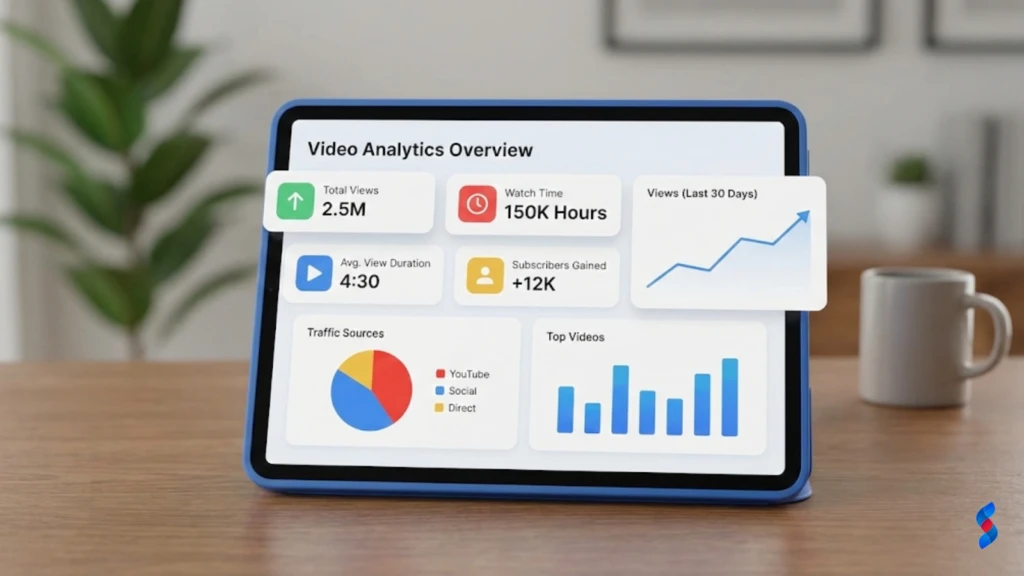
Overview of video analytics platforms:
Google Analytics: A free web analytics service that provides detailed insights into website traffic and engagement.
YouTube Analytics: A built-in analytics tool for YouTube videos that tracks metrics such as view count, watch time, and audience retention.
Vimeo Analytics: A paid analytics tool for Vimeo videos that offers advanced features such as heatmaps and custom reports.
Wistia Analytics: A paid analytics tool for business videos that provides detailed engagement data and integrations with marketing automation platforms.
Spreadsheet templates for tracking video ROI can help you organize your data and automate the calculation process. Look for templates that include fields for tracking revenue, costs, and key metrics.
Consulting services for expert ROI analysis can provide you with valuable insights and recommendations for improving your video marketing strategy. These services can help you identify areas for improvement, optimize your video content, and track your results more effectively.
Metric
Description
How to Track
Website Traffic
Number of visitors from video
Google Analytics
Leads Generated
Number of leads from video
Lead capture forms
Conversion Rate
Percentage of viewers who convert
Analytics platforms
Brand Mentions
Mentions of your brand
Social listening tools
Optimizing Your Video Content for Maximum ROI ⚙️
Video SEO Best Practices
Keyword research for video titles and descriptions is crucial for improving search engine visibility. Use tools like Google Keyword Planner and TubeBuddy to identify relevant keywords that your target audience is searching for.
Optimizing video thumbnails for click-through rates can significantly increase the number of views your videos receive. Use eye-catching images and text that accurately represent your video content.
Using video sitemaps can help search engines crawl and index your videos more efficiently. A video sitemap is an XML file that lists all of the videos on your website and provides information such as their title, description, and URL.
Creating Compelling Video Content
Storytelling techniques for engaging audiences can help you capture their attention and keep them watching. Use a clear narrative structure, compelling characters, and emotional appeals to create videos that resonate with your viewers.
Visual elements and production quality are essential for captivating videos. Invest in professional video equipment and editing software to create videos that look and sound great.
Adding clear calls to action (CTAs) to drive conversions is crucial for turning viewers into customers. Use CTAs such as “Visit our website,” “Sign up for a free trial,” or “Contact us today” to encourage viewers to take the next step.
We once worked with a client who struggled with video engagement. By focusing on better storytelling and visual appeal, they saw a 30% increase in their video marketing ROI.
Promoting Your Videos Effectively
Sharing videos on social media platforms is a great way to reach a wider audience. Tailor your video content to each platform and use relevant hashtags to increase visibility.
Embedding videos on your website and blog can help you drive more traffic and engagement. Place videos strategically within your content to enhance the user experience.
Using paid advertising to reach a wider audience can be an effective way to boost your video ROI. Consider using platforms like YouTube Ads and Facebook Ads to target specific demographics and interests.
Leveraging Video Analytics to Improve Performance 📈
Understanding Key Video Analytics Metrics
View count: The number of times your video has been watched.
Watch time: The total amount of time viewers have spent watching your video.
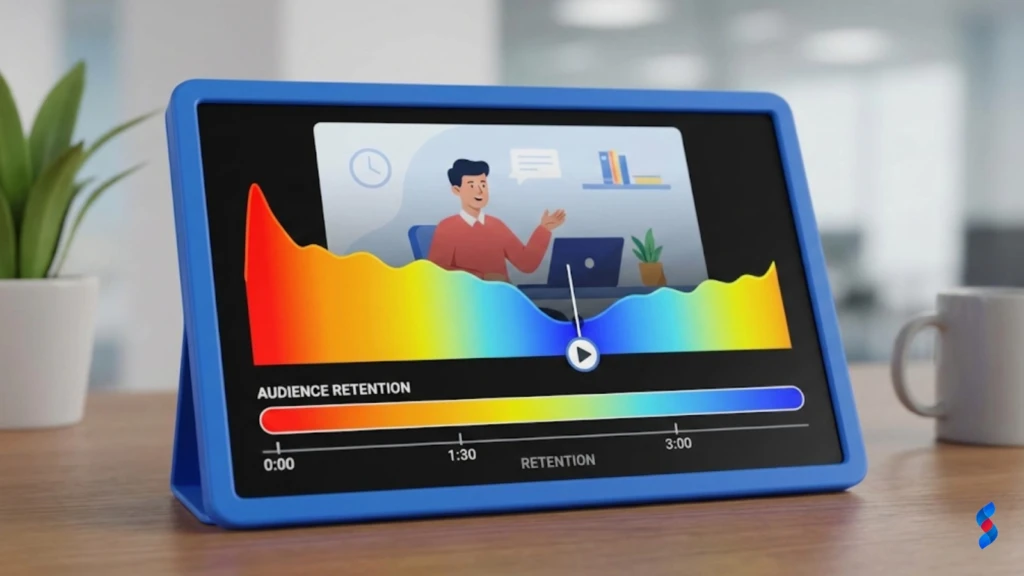
Audience retention: The percentage of viewers who watch your video all the way through.
Engagement rate: The percentage of viewers who interact with your video (e.g., by liking, commenting, or sharing).
Demographic data: Information about your viewers, such as their age, gender, and location.
Geographic location: The countries and regions where your viewers are located.
Device type: The types of devices (e.g., smartphones, tablets, desktops) that your viewers are using to watch your videos.
Traffic sources: The sources of traffic to your videos (e.g., YouTube search, social media, website embeds).
Referral paths: The websites and platforms that are referring traffic to your videos.
Identifying Areas for Improvement
Analyzing drop-off points in videos to optimize content can help you identify areas where viewers are losing interest. Use analytics tools to track the percentage of viewers who are still watching your video at different points in time.
Comparing performance across different video types can help you determine which types of videos are most effective for achieving your goals. Track the key metrics for each video type and compare the results.
Using A/B testing to refine video elements can help you optimize your videos for maximum impact. Test different titles, descriptions, thumbnails, and CTAs to see which ones perform best.
Reporting and Visualization
Creating dashboards to track key performance indicators (KPIs) can help you monitor your progress and identify trends over time. Use data visualization tools to create charts and graphs that illustrate your key metrics.
Generating reports to communicate video ROI to stakeholders is essential for demonstrating the value of your video marketing efforts. Include key metrics, insights, and recommendations in your reports.
Using data visualization to identify trends and patterns can help you make informed decisions about your video marketing strategy. Look for correlations between different metrics and use these insights to optimize your video content.
Real-World Examples of Successful Video ROI Strategies 🌟
Case Study 1: E-commerce Brand
An e-commerce brand increased sales by 25% using product demo videos. The videos showcased the features and benefits of their products, demonstrating how they could solve customer problems. The video marketing strategy included:
Creating high-quality product demo videos.
Optimizing videos for search engines.
Promoting videos on social media and their website.
The video ROI calculation showed a return of $5 for every $1 invested. Lessons learned include the importance of clear product demonstrations and effective promotion.
Case Study 2: B2B Software Company
A B2B software company generated 150 qualified leads using explainer videos. The videos explained the benefits of their software and how it could help businesses improve their efficiency. The video marketing strategy included:
Creating engaging explainer videos.
Targeting specific industries and job titles.
Using lead capture forms within the videos.
The video ROI calculation showed a return of $8 for every $1 invested. Key takeaways included the value of targeted messaging and clear calls to action.
Case Study 3: Non-Profit Organization
A non-profit organization raised $50,000 in donations using testimonial videos. The videos featured real people sharing their stories of how the organization had helped them. The video marketing strategy included:
Creating emotional and compelling testimonial videos.
Sharing videos on social media and their website.
Using paid advertising to reach a wider audience.
The video ROI calculation showed a return of $10 for every $1 invested. Lessons learned include the power of authentic storytelling and emotional connection.
Avoiding Common Pitfalls That Hurt Video ROI 🚫
Poor Video Quality
The impact of low-resolution video on audience engagement can be significant. Viewers are more likely to disengage with videos that are blurry, pixelated, or have poor audio quality.
Investing in professional video equipment and editing software can help you create videos that look and sound great. This includes a high-quality camera, microphone, and editing software.
Ensuring high-quality audio and visuals is essential for capturing and maintaining viewer attention. Use a good microphone to record clear audio and pay attention to lighting and composition to create visually appealing videos.
Lack of a Clear Strategy
The importance of setting goals and defining target audiences cannot be overstated. Without a clear understanding of what you want to achieve and who you are trying to reach, your video marketing efforts are likely to be ineffective.
Creating a detailed video marketing plan is essential for ensuring that your video efforts are aligned with your overall business objectives. Your plan should include details such as your target audience, video types, promotion strategy, and measurement plan.
Aligning video efforts with overall business objectives is crucial for ensuring that your video marketing is contributing to the success of your company. For example, if your business objective is to increase brand awareness, your video goals should focus on reaching a wider audience and building brand recognition.
Neglecting Video Analytics
The importance of tracking key metrics and analyzing performance cannot be overstated. Without tracking your results, you won’t know whether your video marketing efforts are paying off.
Using analytics tools to identify areas for improvement is essential for optimizing your video content and maximizing your video ROI. Analyze your key metrics to identify areas where you can improve your videos and your overall strategy.
Making data-driven decisions to optimize video content is crucial for achieving the best possible results. Use your video analytics data to inform your decisions about video titles, descriptions, thumbnails, and CTAs.
Future Trends in Video Marketing and ROI 🔮
The Rise of Short-Form Video
Platforms like TikTok and Instagram Reels have popularized short-form video, which is typically 60 seconds or less. This format is ideal for capturing attention quickly and delivering concise messages.
Strategies for leveraging short-form video for ROI include creating engaging and shareable content, using relevant hashtags, and partnering with influencers.
Best practices for creating engaging short-form content include:
Keeping your videos short and sweet.
Using eye-catching visuals.
Adding music and sound effects.
Creating a sense of urgency.
The Impact of AI on Video Production
AI-powered video editing tools are making it easier and faster to create high-quality videos. These tools can automate tasks such as video editing, color correction, and audio mixing.
Automated video creation and personalization are becoming increasingly common. AI can be used to generate videos automatically based on data and user preferences.
The potential of AI to improve video ROI is significant. AI can help you create more engaging videos, personalize the video experience, and optimize your video marketing strategy.
The Growing Importance of Personalized Video
Tailoring video content to individual preferences can significantly increase engagement and conversions. Use data to personalize video experiences and create videos that resonate with your viewers.
Using data to personalize video experiences can involve customizing the video content, the call to action, or the landing page.
The impact of personalization on engagement and conversions is significant. Personalized videos are more likely to capture attention, hold interest, and drive action.
Conclusion
Understanding and maximizing your video ROI is crucial for long-term marketing success. By setting clear goals, tracking key metrics, optimizing your content, and staying ahead of future trends, you can ensure that your video marketing efforts deliver a positive return on investment. By understanding video marketing metrics and knowing which video ROI formula to use, your 2025 campaigns will be set up for success! As video continues to dominate the digital landscape, mastering video ROI will be essential for staying competitive. We at SkySol Media are here to help you navigate this complex landscape and achieve your video marketing goals. We’ve seen firsthand the transformative power of a well-executed video strategy and are committed to helping you unlock its full potential.
Q: What is a good video ROI?
A: A good video ROI typically starts at 3:1, meaning you generate $3 in revenue for every $1 spent. However, this can vary depending on industry and campaign goals. Aim for continuous improvement through optimization.
Q: How do I track my video ROI?
A: Use analytics tools like Google Analytics, YouTube Analytics, or dedicated video marketing platforms. Track key metrics such as website traffic, lead generation, conversion rates, and engagement.
Q: What are the main costs to consider when calculating video ROI?
A: Include all costs associated with video production and promotion: equipment, software, talent, advertising, and employee salaries.
Q: How can I improve my video ROI?
A: Focus on creating high-quality, engaging content. Optimize your videos for search engines. Promote them effectively across multiple platforms. Continuously analyze your results and make data-driven adjustments.
Q: Is video marketing worth the investment?
A: Yes, when done strategically. Video offers unparalleled opportunities for engaging with your audience, building brand awareness, and driving conversions. A solid video marketing strategy can lead to significant ROI.
Discover the hidden pitfalls costing your video production company money. Learn proven strategies to optimize operations, boost efficiency, and maximize profitability in 2025's competitive market. Avoid common mistakes and thrive!
Creating videos can be expensive. This guide dives deep into crafting a realistic video production budget for 2025. Learn how to allocate funds, avoid hidden costs, and maximize your ROI with smart financial planning. Ensure your video project thrives!
Explore whether a video production investment is truly worth it for your business. We'll cover ROI, cost factors, and how professional video boosts your brand and conversions. Make informed decisions for 2025!
Uncover the actual video production cost in 2025! Our guide breaks down expenses, helping you budget effectively. Learn about pre-production, shooting, and post-production costs, ensuring no hidden fees surprise you. Get expert tips for affordable, high-quality videos.
Worried about video production costs? This guide breaks down the expenses, helping you create amazing videos without breaking the bank. Learn about pre-production, production, and post-production costs, and discover ways to optimize your budget for maximum impact.
Unlock the secrets to driving massive traffic to your website using video production. Learn proven strategies, SEO optimization techniques, and how to create engaging video content that attracts and converts visitors. Boost your online presence in 2025!