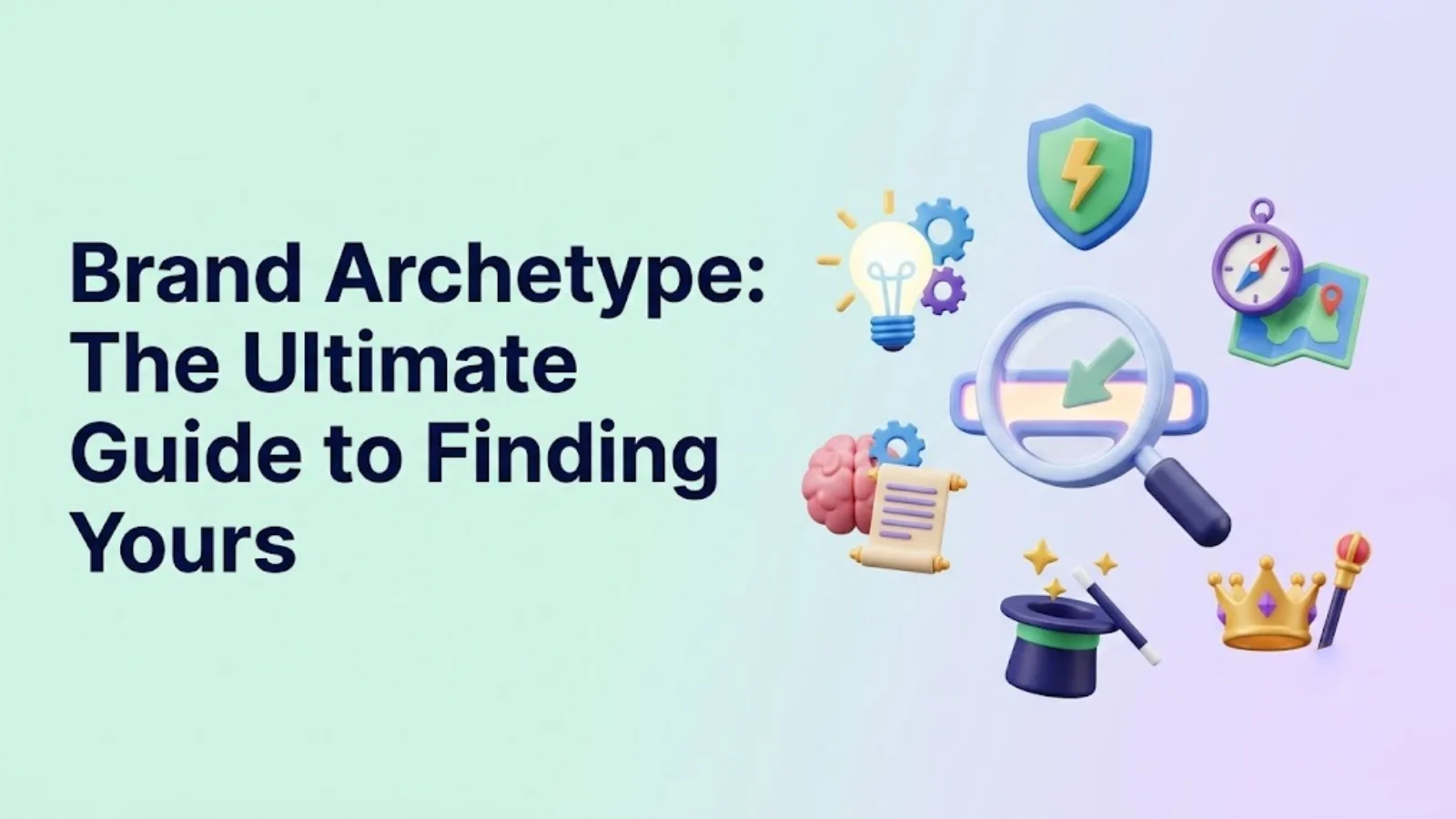
Brand Archetype: The Ultimate Guide 2026 to Finding Yours
In today’s competitive market, establishing a strong and recognizable brand is more crucial than ever. One powerful tool that can help you achieve this is understanding and implementing a brand archetype. A brand archetype is a universally familiar character or theme that embodies specific values, beliefs, and motivations. It’s a way of giving your brand a personality that resonates with your target audience on a deep, emotional level. We at SkySol Media have seen firsthand how utilizing the right brand archetype can transform a business.
Understanding the Core of Brand Archetypes
What is a Brand Archetype?
A brand archetype is essentially a personality for your brand. Think of it as a character in a story – one that embodies certain values, beliefs, and motivations that your target audience can immediately recognize and connect with. Instead of marketing just a product or service, you’re building a relationship through a shared understanding of human desires and fears.
The formal definition is: a universally familiar character or theme that embodies certain values, beliefs, and motivations. These archetypes are present in stories, myths, and cultures across the globe, making them instantly recognizable.
The psychological foundation: Drawing on Carl Jung’s theory of archetypes and the collective unconscious.
The concept of brand archetypes is deeply rooted in the work of Swiss psychiatrist Carl Jung. Jung believed that humans share a “collective unconscious,” a reservoir of universal experiences and symbols that influence our thoughts, emotions, and behaviors. These symbols, or archetypes, are recurring patterns of behavior and imagery that resonate across cultures and time periods.
These archetypes, Jung argued, manifest as recurring patterns in myths, dreams, and even everyday life. By understanding and applying these archetypes, brands can tap into these deeply ingrained human experiences and create a more profound connection with their audience. In Dubai, our team uses this foundation to build truly resonant brands in a diverse, multicultural market.
Why archetypes matter in branding: Establishing an immediate connection with the audience by tapping into shared human experiences.
Archetypes matter in branding because they provide a shortcut to establishing a meaningful connection with your audience. By aligning your brand with a specific archetype, you can instantly communicate your values, personality, and purpose. This allows you to create a more relatable and memorable brand that resonates with your target customers on an emotional level. When our team works with clients, we often start by exploring which archetype best reflects their core values.
By tapping into these shared human experiences, brands can create a sense of familiarity, trust, and loyalty. This is especially crucial in today’s crowded marketplace, where consumers are constantly bombarded with marketing messages. A well-defined brand archetype can help your brand stand out from the noise and make a lasting impression.
The 12 Main Brand Archetypes: A Quick Overview
There are twelve primary brand archetypes, each representing a distinct set of values, motivations, and personality traits. Understanding these archetypes is essential for identifying the one that best aligns with your brand. Here’s a brief overview:
- The Innocent: Optimistic, pure, and seeking happiness. This archetype believes in the inherent goodness of the world and strives to create a positive and uplifting experience for its customers. Think Disney or Coca-Cola.
- The Regular Guy/Gal: Down-to-earth, relatable, and belonging. This archetype is all about fitting in and connecting with everyday people. Brands like IKEA and Target often embody this archetype.
- The Hero: Courageous, bold, and inspiring others. This archetype is driven by a desire to make a difference in the world and overcome challenges. Examples include Nike and the Red Cross.
- The Caregiver: Nurturing, compassionate, and protective. This archetype prioritizes the well-being of others and strives to provide comfort and support. Think Johnson & Johnson or charities like Unicef.
- The Explorer: Adventurous, independent, and seeking freedom. This archetype is driven by a desire to discover new things and experience the world to its fullest. Brands like Jeep and Patagonia often embody this archetype.
- The Rebel: Disruptive, rebellious, and fighting for change. This archetype challenges the status quo and seeks to disrupt conventional norms. Examples include Harley-Davidson and Diesel.
- The Lover: Passionate, intimate, and seeking connection. This archetype is all about building relationships and creating a sense of intimacy and desire. Brands like Chanel and Godiva often embody this archetype.
- The Creator: Imaginative, innovative, and driven by creation. This archetype is driven by a desire to create something new and meaningful. Examples include Lego and Adobe.
- The Jester: Playful, humorous, and bringing joy. This archetype is all about having fun and making people laugh. Brands like Ben & Jerry’s and Old Spice often embody this archetype.
- The Sage: Wise, knowledgeable, and seeking truth. This archetype is driven by a desire to understand the world and share knowledge with others. Examples include Google and Harvard University.
- The Magician: Visionary, transformative, and making dreams a reality. This archetype is all about making the impossible possible and transforming people’s lives. Brands like Tesla and Dyson often embody this archetype.
- The Ruler: Controlling, powerful, and seeking order. This archetype is driven by a desire to maintain control and create a sense of stability and order. Examples include Mercedes-Benz and Rolex.
Understanding these 12 brand archetypes is crucial. By identifying the one that best aligns with your brand, you can create a more cohesive and impactful brand identity.
Problem: Why Many Brands Struggle with Identity
Many brands struggle to create a strong and recognizable identity. This often leads to a lack of differentiation, inconsistent messaging, and difficulty connecting with customers. Let’s explore the pitfalls of generic branding and the symptoms of a weak brand identity.
The Pitfalls of Generic Branding
- Lack of differentiation: When a brand lacks a distinct identity, it blends in with its competitors and becomes easily forgettable. This makes it difficult to attract new customers and build brand loyalty.
- Inconsistent messaging: Generic brands often struggle to maintain a consistent message across all platforms. This can confuse the target audience and dilute the brand’s impact.
- Difficulty connecting with customers: Brands that lack a clear identity often fail to resonate with customers on an emotional level. This makes it difficult to build meaningful relationships and foster brand loyalty.
The Symptoms of a Weak Brand Identity
- Low brand awareness: A weak brand identity often results in low brand awareness. This means that potential customers are not familiar with your brand and are less likely to consider it when making purchasing decisions.
- Poor customer loyalty: Customers are less likely to remain loyal to a brand that lacks a strong identity. They may be easily swayed by competitors who offer similar products or services.
- Negative brand perception: A weak or inconsistent brand identity can damage your brand’s reputation and erode customer trust. This can make it difficult to attract new customers and retain existing ones.
The Business Impact of Poor Branding
- Reduced sales and revenue: Poor branding can directly impact your bottom line. When customers are not familiar with your brand or do not trust it, they are less likely to make purchases.
- Lower profit margins: Inefficient marketing spend and high customer acquisition costs can lead to lower profit margins. This is because you have to spend more money to attract new customers and retain existing ones.
- Limited growth potential: A weak brand identity can limit your business’s ability to scale effectively. It can be difficult to expand into new markets or launch new products when your brand lacks a clear and recognizable identity.
Solution: Using Archetypes to Build a Stronger Brand
Using archetypes can provide a framework for creating a more compelling and recognizable brand identity. By aligning your brand with a specific archetype, you can tap into shared human experiences and create a deeper connection with your target audience.
Identifying Your Brand Archetype: A Step-by-Step Guide
- Assess your brand values: Determine the core principles that guide your business. What do you stand for? What are you passionate about? These values should be reflected in your brand archetype.
- Analyze your target audience: Understand their needs, desires, and motivations. What are they looking for in a brand? What values do they prioritize? This will help you choose an archetype that resonates with them. Understanding your customer persona is key here.
- Evaluate your brand personality: Define the human characteristics that represent your brand. Are you playful and humorous? Serious and sophisticated? This will help you narrow down the list of potential archetypes. Consider how your brand voice should sound.
- Match your brand to an archetype: Choose the archetype that best aligns with your brand’s values, audience, and personality. Consider the 12 main archetypes and see which one feels like the most natural fit.
- Consider a hybrid approach: Combining elements of multiple archetypes for a more nuanced identity. While it’s generally best to focus on one primary archetype, you can incorporate secondary archetypes to add depth and complexity to your brand.
How Each Archetype Solves a Specific Branding Problem
- The Innocent: Builds trust and optimism in skeptical markets. Solves issues of perceived dishonesty. For example, a natural skincare brand could use the Innocent archetype to convey purity and safety.
- The Regular Guy/Gal: Fosters community and relatability, combating elitism. Solves issues of being out-of-touch. A local coffee shop could use this archetype to create a welcoming and inclusive environment.
- The Hero: Inspires action and problem-solving, overcoming apathy. Solves issues of inaction. A fitness brand could use the Hero archetype to motivate customers to achieve their goals.
- The Caregiver: Creates loyalty and empathy, addressing customer fears. Solves issues of customer anxiety. A healthcare provider could use this archetype to reassure patients and provide compassionate care.
- The Explorer: Appeals to adventurous and independent spirits, combating stagnation. Solves issues of market boredom. A travel agency could use the Explorer archetype to inspire customers to discover new destinations.
- The Rebel: Disrupts the status quo and challenges convention, overcoming conformity. Solves issues of outdated practices. A tech startup could use the Rebel archetype to challenge established players in the industry.
- The Lover: Builds passionate connections and cultivates desire, combating indifference. Solves issues of customer disinterest. A luxury fashion brand could use the Lover archetype to create a sense of exclusivity and desire.
- The Creator: Fosters innovation and imagination, overcoming limitations. Solves issues of lacking creativity. A design software company could use the Creator archetype to empower users to bring their ideas to life.
- The Jester: Engages with humor and lightheartedness, combating boredom. Solves issues of taking oneself too seriously. A snack food brand could use the Jester archetype to create a fun and playful brand experience.
- The Sage: Provides knowledge and guidance, building credibility and trust. Solves issues of misinformation. A financial consulting firm could use the Sage archetype to educate clients and provide expert advice.
- The Magician: Offers transformation and empowerment, fulfilling aspirations. Solves issues of unrealized potential. A life coaching service could use the Magician archetype to help clients achieve their full potential.
- The Ruler: Establishes authority and stability, building confidence and trust. Solves issues of uncertainty. A wealth management firm could use the Ruler archetype to convey a sense of security and control.
Deep Dive: Examples of Brand Archetypes in Action
Let’s examine some real-world examples of brands that have successfully implemented archetypes in their brand strategy.
Case Study 1: Apple (The Creator/Magician)
- How Apple embodies the Creator and Magician archetypes: Apple consistently focuses on innovation, sleek design, and user-friendly experiences, aligning perfectly with both the Creator (innovation, design) and the Magician (transformation, user experience) archetypes.
- The impact on their brand: Apple is perceived as a visionary company that empowers individuals through technology, creating products that not only function well but also inspire creativity and transform the way people interact with the world. This aligns with their brand positioning as a premium, innovative brand.
- [IMAGE: Apple logo alongside examples of their innovative products like the iPhone and iPad.]
Case Study 2: Dove (The Caregiver)
- How Dove embodies the Caregiver archetype: Dove’s consistent focus on self-esteem, body positivity, and natural beauty exemplifies the Caregiver archetype, prioritizing the well-being and self-acceptance of their customers.
- The impact on their brand: Dove is seen as a compassionate and nurturing brand, genuinely caring about its customers’ well-being. Their “Real Beauty” campaign significantly boosted their brand awareness and fostered strong customer loyalty.
- [IMAGE: Dove logo alongside images from their “Real Beauty” campaign featuring diverse women.]
Case Study 3: Harley-Davidson (The Rebel/Outlaw)
- How Harley-Davidson embodies the Rebel archetype: Harley-Davidson emphasizes freedom, independence, and challenging the status quo, perfectly capturing the essence of the Rebel archetype.
- The impact on their brand: Harley-Davidson is perceived as a rebellious and iconic brand, attracting individuals seeking adventure and self-expression. This has cultivated a fiercely loyal customer base and a strong brand identity.
- [IMAGE: Harley-Davidson motorcycle riding down a scenic road.]
These case studies highlight the power of brand archetypes in creating a strong and resonant brand identity. By understanding and implementing the right archetype, you can create a brand that connects with your target audience on a deeper level.
Implementing Your Archetype: Practical Strategies
Once you’ve identified your brand archetype, it’s crucial to implement it consistently across all aspects of your branding efforts. This includes your brand messaging, visual branding, and customer experience.
Aligning Your Brand Messaging
- Crafting a consistent brand voice that reflects your archetype: Your brand voice should consistently reflect the personality and values of your chosen archetype. Are you playful and humorous like the Jester? Or serious and authoritative like the Ruler?
- Developing compelling brand stories that resonate with your target audience: Use brand storytelling to communicate your brand’s values and connect with your audience on an emotional level. Your stories should align with your archetype and resonate with the needs and desires of your target audience.
- Creating marketing campaigns that embody your archetype’s values and personality: Your marketing campaigns should consistently reflect your archetype’s values and personality. This will help you create a cohesive and impactful brand messaging.
Visual Branding and Design
- Choosing colors, fonts, and imagery that align with your archetype: Your visual branding should visually represent your brand’s identity and values. Choose colors, fonts, and imagery that align with your archetype. For example, the Innocent archetype might use soft colors and gentle imagery, while the Rebel archetype might use bold colors and edgy imagery.
- Designing a logo that visually represents your brand’s identity: Your logo should be a visual representation of your brand’s identity. It should be memorable, recognizable, and aligned with your chosen archetype.
- Creating a consistent visual experience across all platforms: Ensure that your visual branding is consistent across all platforms, including your website, social media, and marketing materials. This will help you create a cohesive and recognizable brand identity.
Customer Experience and Interaction
- Training your team to embody your archetype in all customer interactions: Your team should be trained to embody your archetype in all customer interactions. This includes everything from answering phone calls to responding to emails.
- Creating a customer journey that aligns with your archetype’s values: The customer journey should be designed to align with your archetype’s values. For example, if you’re the Caregiver archetype, you should focus on providing compassionate and supportive customer service.
- Building a community that fosters a sense of belonging and connection: Create a community where your customers can connect with each other and share their experiences with your brand. This will help you foster a sense of belonging and connection, strengthening brand loyalty.
Measuring the Success of Your Archetype-Based Branding
Measuring the success of your archetype-based branding is crucial for ensuring that your strategy is effective and delivering the desired results. Key Performance Indicators (KPIs) and various tracking tools can provide valuable insights.
Key Performance Indicators (KPIs)
- Brand awareness: Track brand mentions, reach, and sentiment across various platforms. Tools like social media analytics and media monitoring services can help.
- Customer engagement: Measure website traffic, social media interactions (likes, shares, comments), and email open rates. This indicates how well your brand messaging resonates with your audience.
- Brand loyalty: Monitor customer retention rates, repeat purchases, and Net Promoter Score (NPS). High scores indicate strong brand loyalty and positive customer experiences.
Tools and Techniques for Tracking Results
- Social media analytics: Utilize social media analytics tools to monitor brand mentions, engagement metrics, and sentiment analysis. This helps gauge public perception of your brand.
- Website analytics: Track website traffic, bounce rate, and conversion rates using tools like Google Analytics. This provides insights into user behavior and the effectiveness of your website in attracting and retaining customers.
- Customer surveys: Gather direct feedback on brand perception, satisfaction levels, and loyalty through customer surveys. Tools like SurveyMonkey and Qualtrics can facilitate this process.
Adjusting Your Strategy Based on Performance
- Continuously monitoring KPIs and making adjustments as needed: Regularly review your KPIs to identify areas for improvement. If certain metrics are not meeting expectations, adjust your branding strategy accordingly.
- Staying adaptable to changing market trends and customer preferences: The market is constantly evolving, so it’s important to stay adaptable and adjust your strategy to reflect changing trends and customer preferences. This might involve refining your brand personality or updating your messaging.
- Refining your archetype-based branding to optimize results: Based on your performance data, refine your archetype-based branding to optimize results. This may involve tweaking your brand messaging, visual branding, or customer experience to better align with your chosen archetype and target audience.
Common Misconceptions About Brand Archetypes
Let’s address some common misconceptions about brand archetypes to provide clarity and dispel myths.
Myth: Archetypes are limiting and restrictive.
- Debunking the myth: Archetypes provide a framework, not a rigid set of rules. Brands can still express their unique personality and creativity within the archetype.
- Flexibility and adaptation: Blending archetypes or evolving over time is possible. For instance, a brand might start as the Innocent and gradually evolve into the Sage as it gains more experience and expertise.
Myth: My Brand Can Fit Into Multiple Archetypes Equally.
- Debunking the myth: While a brand might exhibit traits of different archetypes, one should be dominant for clarity and consistency in brand experience.
- How to Choose: Focusing on the core values, brand values, and target audience helps clarify the primary archetype. Trying to embody too many archetypes can dilute your brand identity and confuse your audience.
“Brand archetypes offer a powerful shortcut to establishing immediate resonance with your audience. They are not about forcing your brand into a box, but rather about understanding the universal narratives that shape human behavior and using those narratives to create a deeper connection.” – Margaret Hartwell and Joshua C. Chen, Archetypes in Branding
The Future of Brand Archetypes
The landscape of branding is constantly evolving, and brand archetypes are no exception. Several emerging trends and innovations are shaping the future of how brands use archetypes to connect with their audience.
Emerging Trends and Innovations
- The rise of personalized branding: Tailoring brand experience to individual customer preferences. This involves using data and technology to create personalized experiences that resonate with each customer’s unique needs and desires.
- The use of AI and machine learning: Analyzing customer data to identify and leverage relevant archetypes. AI and machine learning can help brands better understand their customers and identify the archetypes that are most likely to resonate with them.
- The increasing importance of authenticity and transparency: Building trust through genuine brand messaging and actions. In today’s world, customers are more skeptical than ever. They want to know that the brands they support are authentic and transparent.
How to Stay Ahead of the Curve
- Continuously monitoring market trends and customer preferences: Stay informed about the latest trends and preferences in your industry and among your target audience. This will help you ensure that your branding remains relevant and effective.
- Experimenting with new technologies and strategies: Don’t be afraid to experiment with new technologies and strategies to see what works best for your brand. This might involve using AI to personalize customer experiences or exploring new ways to communicate your brand’s values.
- Staying true to your brand’s core values and purpose: While it’s important to stay adaptable and experiment with new strategies, it’s also important to stay true to your brand’s core values and purpose. This will help you maintain a consistent and authentic brand identity.
Conclusion: Unleash the Power of Your Brand Archetype
Understanding and implementing your brand archetype can transform your business. By tapping into the power of universal narratives, you can create a stronger, more authentic, and more resonant brand that connects with your audience on a deeper level. Embrace your brand’s true identity and unlock its full potential. We at SkySol Media believe that with a well-defined brand archetype, your brand can achieve unprecedented success.
FAQ Section
Q: What if my brand seems to fit multiple archetypes?
A: It’s common for brands to exhibit traits of several archetypes. Identify the dominant archetype that best represents your core values, brand values, and brand personality. You can then subtly incorporate elements of secondary archetypes.
Q: How often should I revisit my brand archetype?
A: At least annually, or whenever there’s a significant shift in your business strategy, marketing approach, or target market. Market trends and evolving customer persona insights might necessitate adjustments.
Q: Can a brand’s archetype change over time?
A: Yes, it can, especially if the company experiences significant changes in its mission, brand strategy, or brand positioning. However, such changes should be carefully considered to avoid confusing customers.
Q: How important is it to involve my team in identifying our brand archetype?
A: Crucial. Your team needs to understand and embody the archetype in all interactions, ensuring consistency in brand messaging and brand experience.
Q: What are the risks of not using a brand archetype?
A: The risks include a weak, inconsistent brand identity, difficulty differentiating from competitors, and failing to connect with customers on an emotional level, leading to reduced sales and lower brand awareness.
Q: Is there a tool to help me determine my brand archetype?
A: While there isn’t a single definitive tool, questionnaires and workshops focusing on your brand’s values, brand personality, and target audience can be very helpful. Consulting with branding experts like us at SkySol Media can provide valuable insights too.
Q: How do brand archetypes relate to brand identity?
A: Brand archetypes act as a foundational element of your brand identity, informing your visual branding, messaging, and overall customer experience. They provide a framework for creating a cohesive and recognizable brand.
Q: How do I ensure my brand voice reflects our chosen archetype?
A: Develop a style guide that outlines the tone, language, and values associated with your archetype. Train your team to consistently use this voice across all communication channels.
Q: Can understanding brand archetypes improve our marketing efforts?
A: Absolutely. By aligning your marketing campaigns with your brand archetype, you can create more resonant and effective messaging that resonates with your target audience on a deeper emotional level. This can lead to increased engagement, brand loyalty, and ultimately, sales.