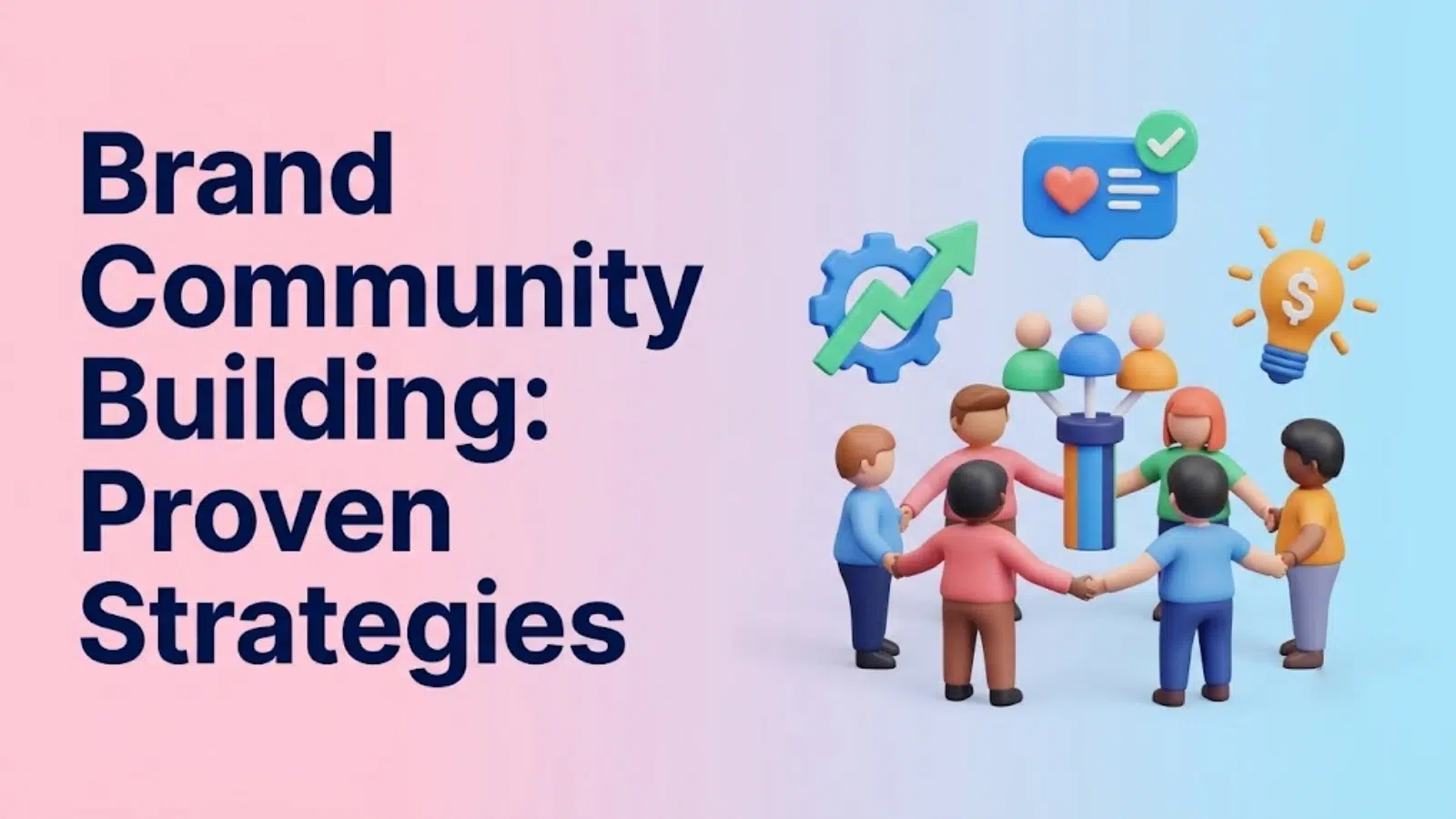
Brand Community Building: Proven Strategies for 2026
Discover cutting-edge brand community building strategies to foster deeper customer connections. Learn how to leverage the latest trends to create a thriving community around your brand and boost loyalty.
Brand Community Building: Proven Strategies for 2026
In today’s digital age, brand community building has emerged as a critical strategy for businesses seeking to foster deeper connections with their customers, enhance customer engagement, and cultivate lasting brand loyalty. Unlike traditional marketing approaches that focus on one-way communication, building a thriving online community creates a space for meaningful interaction, shared experiences, and collaborative value creation. This comprehensive guide, brought to you by SkySol Media, will equip you with the knowledge and actionable strategies to successfully build and manage a brand community that drives tangible results.
Brand Community Building: The New Frontier in Customer Engagement
Brand community building represents a fundamental shift in how businesses interact with their customers. It moves away from the conventional model of broadcasting messages to a passive audience and towards a dynamic ecosystem where customers actively participate in shaping the brand experience. This approach not only strengthens relationships but also unlocks a wealth of insights, user-generated content, and advocacy that can fuel sustainable growth.
Why Brand Community Building Matters More Than Ever in 2026
In 2026, the importance of brand community building is amplified by several key factors. Consumers are increasingly seeking authentic connections and personalized experiences. They are more likely to trust recommendations from peers and fellow enthusiasts than traditional advertising. Furthermore, the proliferation of social media marketing platforms has made it easier than ever for brands to connect with their target audiences and foster a sense of community. Building a strong brand community can significantly improve customer retention.
Increased Customer Loyalty: A strong community fosters a sense of belonging, leading to greater customer loyalty and repeat purchases.
Enhanced Brand Advocacy: Engaged community members become brand advocates, organically promoting your products or services to their networks.
Valuable Customer Insights: Direct interaction with community members provides invaluable feedback and insights for product development and marketing strategies.
Reduced Marketing Costs: A thriving community can reduce reliance on paid advertising, as members actively spread the word about your brand.
“Building a brand community is not just about creating a forum or group; it’s about cultivating a shared identity and purpose that resonates with your audience.” – SkySol Media Expert
The Evolving Landscape of Online Communities
The landscape of online communities is constantly evolving, driven by technological advancements and shifting consumer preferences. What worked a few years ago may no longer be effective today. Brands must stay agile and adapt their strategies to meet the changing needs of their target audience. We have seen a significant rise in niche communities, focusing on very specific interests and demographics.
Mobile-First Approach: Ensure your community platform is optimized for mobile devices, as the majority of users access online content via their smartphones or tablets.
Personalized Experiences: Leverage data and analytics to personalize the community experience for each member, delivering relevant content and recommendations.
Interactive Content: Incorporate interactive elements such as polls, quizzes, and live Q&A sessions to keep members engaged and entertained.
Integration with Emerging Technologies: Explore the potential of emerging technologies such as augmented reality (AR) and virtual reality (VR) to create immersive community experiences.
Step 1: Defining Your Brand Community’s Purpose and Value Proposition
Before launching a community platform, it’s crucial to define its purpose and value proposition. What specific needs will your community address? What unique benefits will members receive? A clear understanding of these factors will guide your community-building efforts and attract the right audience.
Identifying Your Target Community Members and Their Needs
Identifying your ideal community members is paramount. Are you targeting existing customers, potential customers, or a broader audience with shared interests? Understanding their demographics, psychographics, and needs will help you tailor your community strategy and create content that resonates. Our team in Dubai often starts with detailed customer surveys to map out specific needs.
Conduct Market Research: Gather data on your target audience through surveys, focus groups, and social media listening.
Analyze Customer Data: Examine your existing customer data to identify patterns and insights about their interests and preferences.
Create User Personas: Develop detailed user personas that represent your ideal community members, outlining their demographics, motivations, and pain points.
Crafting a Unique Value Proposition for Your Community
Your community needs a compelling value proposition that clearly articulates the benefits of membership. What will members gain by joining and participating in your community? The value proposition should be unique, relevant, and easy to understand. We once had a client whose community platform struggled until they redefined their value proposition to focus on exclusive access to industry experts.
Exclusive Content and Resources: Provide members with access to exclusive content, such as webinars, e-books, and templates.
Networking Opportunities: Facilitate connections between members through forums, events, and online groups.
Expert Advice and Support: Offer members access to expert advice and support from your team and other community members.
Early Access to New Products and Features: Give members early access to new products and features, allowing them to provide feedback and influence the development process.
Aligning Community Goals with Your Overall Business Objectives
Your community strategy should be aligned with your overall business objectives. What specific goals do you hope to achieve through your community? Are you looking to increase brand awareness, drive sales, or improve customer satisfaction? Aligning your community goals with your business objectives will ensure that your efforts contribute to the bottom line. A well-managed forum marketing strategy can also contribute to these goals.
Define Measurable Goals: Set specific, measurable, achievable, relevant, and time-bound (SMART) goals for your community.
Track Progress Regularly: Monitor your progress towards your goals and make adjustments as needed.
Communicate Results: Share your community’s successes with your team and stakeholders to demonstrate its value.
Step 2: Choosing the Right Platform for Your Brand Community
Selecting the right platform is crucial for the success of your brand community. There are numerous options available, each with its own strengths and weaknesses. Consider your target audience, budget, and technical capabilities when making your decision.
Evaluating Different Platform Options: Forums, Social Media Groups, and Dedicated Platforms
The platform you choose should align with your community’s purpose and your members’ preferences. Some popular options include:
Forums: Traditional forums offer a structured environment for discussions and knowledge sharing.
Social Media Groups: Platforms like Facebook and LinkedIn provide access to a large audience and built-in social features.
Dedicated Platforms: Specialized community platforms offer advanced features such as gamification, analytics, and moderation tools.
Considering the Pros and Cons of Each Platform Based on Your Needs
Each platform has its advantages and disadvantages:
Platform
Pros
Cons
Forums
Structured discussions, strong SEO potential, high level of control.
Can be difficult to moderate, may require technical expertise, can feel outdated.
Social Media Groups
Large audience reach, easy to set up and manage, built-in social features.
Limited customization options, can be difficult to control content, rely on the platform’s algorithm.
Dedicated Platforms
Advanced features, high level of customization, strong community-building tools.
Can be expensive, may require technical expertise, smaller built-in audience.
Integrating Your Community Platform with Your Existing Marketing Tools
Seamless integration between your community platform and your existing marketing tools is essential for maximizing its impact. Integrate your community platform with your CRM, email marketing platform, and social media accounts to create a unified customer experience. This can really help with customer retention efforts.
Single Sign-On (SSO): Implement SSO to allow members to access your community using their existing credentials.
Data Synchronization: Synchronize data between your community platform and your CRM to gain a holistic view of your customers.
Automated Workflows: Automate tasks such as welcoming new members and sending targeted emails based on community activity.
Step 3: Creating Engaging Content and Experiences for Your Community
Content is king, and this is especially true for brand communities. To keep your members engaged, you need to consistently create valuable and compelling content that resonates with their interests and needs. Consider leveraging user-generated content to build authenticity.
Developing a Content Strategy That Resonates with Your Audience
Your content strategy should be based on a deep understanding of your target audience. What topics are they interested in? What formats do they prefer? Experiment with different types of content, such as articles, videos, infographics, and podcasts, to see what resonates best.
Conduct Keyword Research: Identify the keywords and topics that your target audience is searching for online.
Create a Content Calendar: Plan your content in advance to ensure a consistent flow of valuable information.
Repurpose Content: Repurpose existing content into different formats to reach a wider audience.
Leveraging User-Generated Content to Foster Authenticity
User-generated content (UGC) is a powerful tool for building authenticity and fostering a sense of ownership within your community. Encourage members to share their experiences, ideas, and creations. Showcase UGC on your community platform and social media channels.
Run Contests and Challenges: Encourage members to submit their best photos, videos, or stories.
Feature Member Spotlights: Highlight the contributions of active community members.
Create a UGC Gallery: Showcase the best UGC on your community platform.
Hosting Online Events and Activities to Drive Engagement
Online events and activities are a great way to drive engagement and foster a sense of community. Host webinars, Q&A sessions, online workshops, and virtual meetups. Make sure your social media marketing strategy promotes these events.
Promote Your Events: Promote your events through email marketing, social media, and your community platform.
Make Your Events Interactive: Incorporate polls, Q&A sessions, and breakout rooms to keep attendees engaged.
Record Your Events: Record your events and make them available on demand for those who couldn’t attend live.
Step 4: Fostering a Positive and Supportive Community Culture
A positive and supportive community culture is essential for attracting and retaining members. Establish clear guidelines and moderation policies to ensure that all members feel safe and respected. This also contributes significantly to customer engagement.
Establishing Community Guidelines and Moderation Policies
Your community guidelines should clearly outline acceptable behavior and consequences for violations. Enforce your guidelines consistently and fairly. Appoint moderators to monitor the community and address any issues that arise.
Make Your Guidelines Easy to Find: Prominently display your community guidelines on your platform.
Enforce Your Guidelines Consistently: Enforce your guidelines fairly and consistently to maintain a level playing field.
Train Your Moderators: Provide your moderators with the training and resources they need to effectively manage the community.
Encouraging Positive Interactions and Addressing Conflicts
Encourage positive interactions by recognizing and rewarding helpful and supportive members. Address conflicts promptly and fairly, and take appropriate action against those who violate the community guidelines.
Recognize and Reward Positive Behavior: Publicly acknowledge and reward members who contribute positively to the community.
Address Conflicts Promptly: Address conflicts quickly and fairly to prevent them from escalating.
Provide Conflict Resolution Resources: Offer resources and guidance to help members resolve conflicts constructively.
Recognizing and Rewarding Active Community Members
Recognizing and rewarding active community members is a great way to show your appreciation and encourage continued participation. Offer badges, points, prizes, and other incentives to reward members for their contributions. This is a great way to foster brand advocacy.
Create a Rewards Program: Develop a formal rewards program with clearly defined criteria and rewards.
Offer a Variety of Rewards: Offer a variety of rewards to appeal to different members.
Publicly Acknowledge Contributions: Publicly acknowledge and reward members for their contributions to the community.
Step 5: Leveraging Gamification to Boost Engagement in Your Brand Community
Gamification is the process of applying game-design principles and game mechanics to non-game contexts. In the context of brand community building, gamification can be used to boost engagement, motivate participation, and reward desired behaviors.
Understanding Gamification Principles and Their Impact
Gamification works by tapping into our natural human desires for achievement, recognition, and competition. By incorporating game-like elements into your community, you can make it more fun, engaging, and rewarding.
Points: Award points for completing tasks, contributing content, and participating in discussions.
Badges: Award badges for achieving specific milestones or demonstrating expertise.
Leaderboards: Rank members based on their points or other metrics.
Implementing Points, Badges, and Leaderboards
Points, badges, and leaderboards are the most common gamification elements. Implement them strategically to encourage desired behaviors and motivate participation.
Define Clear Goals: Define clear goals for your gamification program. What specific behaviors do you want to encourage?
Make it Easy to Earn Points and Badges: Make it easy for members to earn points and badges by completing simple tasks.
Keep Leaderboards Fair and Transparent: Ensure that your leaderboards are fair and transparent.
Creating Engaging Challenges and Competitions
Challenges and competitions are a great way to drive engagement and foster a sense of friendly rivalry within your community. Host regular challenges and competitions with attractive prizes.
Make Challenges Fun and Engaging: Design challenges that are fun, engaging, and relevant to your community’s interests.
Offer Attractive Prizes: Offer attractive prizes to motivate participation.
Promote Your Challenges Widely: Promote your challenges through email marketing, social media, and your community platform.
Step 6: Measuring and Analyzing the Success of Your Brand Community
Measuring and analyzing the success of your brand community is crucial for understanding its impact and making data-driven decisions. Define key performance indicators (KPIs) and track them regularly. Community management requires constant monitoring and adjustment.
Defining Key Performance Indicators (KPIs) for Your Community
KPIs are the metrics that you will use to measure the success of your community. Common KPIs include:
Active Members: The number of members who are actively participating in the community.
Engagement Rate: The percentage of members who are actively engaging with content and discussions.
Content Consumption: The amount of content that is being consumed by community members.
Customer Satisfaction: The level of satisfaction that customers have with your brand.
Tracking Engagement Metrics, such as Active Members and Content Consumption
Track your engagement metrics regularly to identify trends and patterns. Use this data to optimize your community strategy and improve engagement.
Use Analytics Tools: Use analytics tools to track your community’s engagement metrics.
Monitor Community Activity: Monitor community activity to identify trends and patterns.
Analyze Feedback: Analyze feedback from community members to understand their needs and preferences.
Analyzing the Impact of Your Community on Brand Loyalty and Customer Retention
Ultimately, the success of your brand community should be measured by its impact on brand loyalty and customer retention. Track these metrics to determine whether your community is contributing to your business goals.
Track Customer Lifetime Value: Track customer lifetime value to see if community members are more valuable than non-community members.
Measure Customer Retention Rates: Measure customer retention rates to see if community members are more likely to stay with your brand.
Survey Community Members: Survey community members to understand their level of satisfaction and loyalty.
Step 7: Promoting Your Brand Community to Attract New Members
Promoting your brand community is essential for attracting new members and expanding your reach. Leverage social media, email marketing, and other channels to spread the word about your community.
Leveraging Social Media and Email Marketing to Reach Your Target Audience
Social media and email marketing are powerful tools for promoting your community. Use these channels to share updates, highlight community events, and showcase the benefits of membership.
Create Engaging Social Media Content: Create engaging social media content that highlights the value of your community.
Run Targeted Email Campaigns: Run targeted email campaigns to reach potential community members.
Promote Your Community on Your Website: Promote your community on your website and other marketing materials.
Partnering with Influencers and Other Brands to Expand Your Reach
Partnering with influencers and other brands can help you reach a wider audience and attract new members to your community. Collaborate on content, host joint events, and cross-promote each other’s communities.
Identify Relevant Influencers: Identify influencers who are relevant to your target audience.
Reach Out to Potential Partners: Reach out to potential partners and propose collaborations.
Cross-Promote Each Other’s Communities: Cross-promote each other’s communities on your respective platforms.
Showcasing the Value of Your Community on Your Website and Marketing Materials
Make sure to showcase the value of your community on your website and other marketing materials. Highlight the benefits of membership, share testimonials from existing members, and provide a clear call to action.
Create a Dedicated Community Page: Create a dedicated community page on your website.
Include Testimonials: Include testimonials from existing members on your website and marketing materials.
Provide a Clear Call to Action: Provide a clear call to action that encourages visitors to join your community.
Step 8: Staying Ahead of the Curve: Emerging Trends in Brand Community Building
The world of brand community building is constantly evolving. To stay ahead of the curve, you need to be aware of the latest trends and technologies.
The Rise of Niche Communities and Micro-Influencers
Niche communities are becoming increasingly popular as people seek out smaller, more focused groups. Micro-influencers, with their highly engaged audiences, are also playing a growing role in community building.
Identify Niche Interests: Identify niche interests within your target audience.
Partner with Micro-Influencers: Partner with micro-influencers who are relevant to your niche.
Create Content for Niche Audiences: Create content that is specifically tailored to niche audiences.
The Growing Importance of Personalized Experiences
Personalized experiences are becoming increasingly important as people expect brands to understand their individual needs and preferences. Use data and analytics to personalize the community experience for each member.
Collect Data on Your Members: Collect data on your members to understand their needs and preferences.
Segment Your Community: Segment your community based on interests, demographics, and behaviors.
Deliver Personalized Content: Deliver personalized content and recommendations to each member.
Utilizing AI and Automation to Enhance Community Management
AI and automation can be used to enhance community management, freeing up your team to focus on more strategic tasks. Use AI to moderate content, answer questions, and personalize the community experience.
Use AI to Moderate Content: Use AI to automatically moderate content and flag inappropriate posts.
Use AI to Answer Questions: Use AI-powered chatbots to answer common questions from community members.
Use AI to Personalize Experiences: Use AI to personalize the community experience for each member.
Step 9: Real-World Examples of Successful Brand Communities in 2026
Let’s examine some real-world examples of successful brand communities in 2026. These case studies illustrate the power of community building and provide valuable lessons for your own efforts.
Case Study 1: A Brand in the Tech Industry
Brand: A leading software company.
Community Platform: A dedicated online forum.
Strategy: Focused on providing technical support, sharing best practices, and fostering collaboration among users.
Results: Increased customer satisfaction, reduced support costs, and generated valuable product feedback.
Case Study 2: A Brand in the Fashion Industry
Brand: A popular clothing retailer.
Community Platform: A social media group on Instagram.
Strategy: Showcased user-generated content, hosted style challenges, and partnered with fashion influencers.
Results: Increased brand awareness, drove sales, and fostered a strong sense of community among customers.
Case Study 3: A Brand in the Food and Beverage Industry
Brand: A well-known coffee company.
Community Platform: A dedicated app with gamified elements.
Strategy: Rewarded customers for purchases, encouraged them to share their coffee experiences, and hosted online events.
Results: Increased customer loyalty, drove repeat purchases, and generated valuable data on customer preferences.
Step 10: Common Mistakes to Avoid When Building a Brand Community
Building a successful brand community takes time, effort, and a strategic approach. Avoid these common mistakes to increase your chances of success:
Ignoring Community Feedback and Needs
One of the biggest mistakes is ignoring community feedback and needs. Actively listen to your members, solicit their opinions, and incorporate their suggestions into your community strategy.
Failing to Establish Clear Guidelines and Moderation Policies
Failing to establish clear guidelines and moderation policies can lead to a toxic and unwelcoming community environment. Establish clear guidelines and enforce them consistently.
Neglecting to Promote Your Community and Attract New Members
Neglecting to promote your community can result in slow growth and limited reach. Actively promote your community through social media, email marketing, and other channels.
Step 11: Future-Proofing Your Brand Community for Long-Term Success
To ensure the long-term success of your brand community, you need to be prepared to adapt to changing customer expectations and technologies. Invest in ongoing community management and support, and continuously evaluate and improve your community strategy.
Adapting to Changing Customer Expectations and Technologies
Customer expectations and technologies are constantly evolving. Stay up-to-date on the latest trends and be prepared to adapt your community strategy as needed.
Investing in Ongoing Community Management and Support
Community management is an ongoing process that requires dedicated resources. Invest in a skilled community manager who can nurture your community, engage with members, and address any issues that arise.
Continuously Evaluating and Improving Your Community Strategy
Continuously evaluate your community strategy and make adjustments as needed. Track your KPIs, solicit feedback from members, and stay up-to-date on the latest trends and best practices.
Checklist for Brand Community Success:
✅ Define your community’s purpose and value proposition.
✅ Choose the right platform for your needs.
✅ Create engaging content and experiences.
✅ Foster a positive and supportive community culture.
✅ Measure and analyze your community’s success.
✅ Promote your community to attract new members.
✅ Stay ahead of the curve with emerging trends.
Conclusion
You’ve now armed yourself with the knowledge and strategies necessary for successful brand community building. By defining your community’s purpose, choosing the right platform, creating engaging content, and fostering a positive culture, you can cultivate a thriving community that enhances customer engagement, boosts brand loyalty, and drives tangible business results. We at SkySol Media are confident that by implementing these strategies, you’ll create a valuable asset that strengthens your brand and fosters lasting relationships with your customers.
Q: What is the most important factor in building a successful brand community?
A: Defining a clear purpose and value proposition for your community is crucial. Members need to understand what they will gain by participating.
Q: How often should I post new content in my brand community?
A: Consistency is key. Aim to post new content at least a few times per week to keep members engaged and coming back for more.
Q: How can I deal with negative comments or conflicts in my brand community?
A: Establish clear community guidelines and moderation policies. Address conflicts promptly and fairly, and take appropriate action against those who violate the guidelines.
Q: What are some creative ways to incentivize community participation?
A: Run contests and challenges, offer exclusive content and resources, and create a rewards program with badges, points, and prizes.
Q: How do I measure the ROI of my brand community?
A: Track key performance indicators (KPIs) such as active members, engagement rate, content consumption, and customer satisfaction. Analyze the impact of your community on brand loyalty and customer retention.
Q: What’s the best way to handle spam or irrelevant content in the community?
A: Implement strict moderation policies and utilize tools that can automatically detect and remove spam. Consider appointing moderators who can manually review and remove inappropriate content.
Unlock the power of WordPress to amplify your brand's digital footprint! This guide offers proven strategies to boost your WordPress online presence, attract more customers, and establish yourself as a leader in your industry.
Unlock the potential of WordPress to revolutionize your brand's online presence. This guide provides actionable steps to enhance visibility, engage your audience, and establish a strong brand identity using WordPress in 2025.
Learn how to build a powerful brand with WordPress in 7 easy steps. This guide covers everything from choosing the right theme to leveraging social media.
Crafting a WordPress website that embodies your brand identity is crucial for online success. This guide provides actionable steps to ensure your site resonates with your audience and strengthens your brand presence. Learn how to design, customize, and optimize your site for maximum impact.
Steer clear of common brand development mistakes on your WordPress site. Build a strong, recognizable brand with our expert tips and strategies. Avoid pitfalls and ensure lasting success. Learn how to cultivate brand loyalty and recognition today!
This mode enables people with epilepsy to use the website safely by eliminating the risk of seizures that result from flashing or blinking animations and risky color combinations.
Visually Impaired Mode
Improves website's visuals
This mode adjusts the website for the convenience of users with visual impairments such as Degrading Eyesight, Tunnel Vision, Cataract, Glaucoma, and others.
Cognitive Disability Mode
Helps to focus on specific content
This mode provides different assistive options to help users with cognitive impairments such as Dyslexia, Autism, CVA, and others, to focus on the essential elements of the website more easily.
ADHD Friendly Mode
Reduces distractions and improve focus
This mode helps users with ADHD and Neurodevelopmental disorders to read, browse, and focus on the main website elements more easily while significantly reducing distractions.
Blindness Mode
Allows using the site with your screen-reader
This mode configures the website to be compatible with screen-readers such as JAWS, NVDA, VoiceOver, and TalkBack. A screen-reader is software for blind users that is installed on a computer and smartphone, and websites must be compatible with it.
Online Dictionary
Readable Experience
Content Scaling
Default
Text Magnifier
Readable Font
Dyslexia Friendly
Highlight Titles
Highlight Links
Font Sizing
Default
Line Height
Default
Letter Spacing
Default
Left Aligned
Center Aligned
Right Aligned
Visually Pleasing Experience
Dark Contrast
Light Contrast
Monochrome
High Contrast
High Saturation
Low Saturation
Adjust Text Colors
Adjust Title Colors
Adjust Background Colors
Easy Orientation
Mute Sounds
Hide Images
Hide Emoji
Reading Guide
Stop Animations
Reading Mask
Highlight Hover
Highlight Focus
Big Dark Cursor
Big Light Cursor
Cognitive Reading
Virtual Keyboard
Navigation Keys
Voice Navigation
Accessibility Statement
skysolmedia.com
October 20, 2026
Compliance status
We firmly believe that the internet should be available and accessible to anyone, and are committed to providing a website that is accessible to the widest possible audience,
regardless of circumstance and ability.
To fulfill this, we aim to adhere as strictly as possible to the World Wide Web Consortium’s (W3C) Web Content Accessibility Guidelines 2.1 (WCAG 2.1) at the AA level.
These guidelines explain how to make web content accessible to people with a wide array of disabilities. Complying with those guidelines helps us ensure that the website is accessible
to all people: blind people, people with motor impairments, visual impairment, cognitive disabilities, and more.
This website utilizes various technologies that are meant to make it as accessible as possible at all times. We utilize an accessibility interface that allows persons with specific
disabilities to adjust the website’s UI (user interface) and design it to their personal needs.
Additionally, the website utilizes an AI-based application that runs in the background and optimizes its accessibility level constantly. This application remediates the website’s HTML,
adapts Its functionality and behavior for screen-readers used by the blind users, and for keyboard functions used by individuals with motor impairments.
If you’ve found a malfunction or have ideas for improvement, we’ll be happy to hear from you. You can reach out to the website’s operators by using the following email
Screen-reader and keyboard navigation
Our website implements the ARIA attributes (Accessible Rich Internet Applications) technique, alongside various different behavioral changes, to ensure blind users visiting with
screen-readers are able to read, comprehend, and enjoy the website’s functions. As soon as a user with a screen-reader enters your site, they immediately receive
a prompt to enter the Screen-Reader Profile so they can browse and operate your site effectively. Here’s how our website covers some of the most important screen-reader requirements,
alongside console screenshots of code examples:
Screen-reader optimization: we run a background process that learns the website’s components from top to bottom, to ensure ongoing compliance even when updating the website.
In this process, we provide screen-readers with meaningful data using the ARIA set of attributes. For example, we provide accurate form labels;
descriptions for actionable icons (social media icons, search icons, cart icons, etc.); validation guidance for form inputs; element roles such as buttons, menus, modal dialogues (popups),
and others. Additionally, the background process scans all the website’s images and provides an accurate and meaningful image-object-recognition-based description as an ALT (alternate text) tag
for images that are not described. It will also extract texts that are embedded within the image, using an OCR (optical character recognition) technology.
To turn on screen-reader adjustments at any time, users need only to press the Alt+1 keyboard combination. Screen-reader users also get automatic announcements to turn the Screen-reader mode on
as soon as they enter the website.
These adjustments are compatible with all popular screen readers, including JAWS and NVDA.
Keyboard navigation optimization: The background process also adjusts the website’s HTML, and adds various behaviors using JavaScript code to make the website operable by the keyboard. This includes the ability to navigate the website using the Tab and Shift+Tab keys, operate dropdowns with the arrow keys, close them with Esc, trigger buttons and links using the Enter key, navigate between radio and checkbox elements using the arrow keys, and fill them in with the Spacebar or Enter key.Additionally, keyboard users will find quick-navigation and content-skip menus, available at any time by clicking Alt+1, or as the first elements of the site while navigating with the keyboard. The background process also handles triggered popups by moving the keyboard focus towards them as soon as they appear, and not allow the focus drift outside it.
Users can also use shortcuts such as “M” (menus), “H” (headings), “F” (forms), “B” (buttons), and “G” (graphics) to jump to specific elements.
Disability profiles supported in our website
Epilepsy Safe Mode: this profile enables people with epilepsy to use the website safely by eliminating the risk of seizures that result from flashing or blinking animations and risky color combinations.
Visually Impaired Mode: this mode adjusts the website for the convenience of users with visual impairments such as Degrading Eyesight, Tunnel Vision, Cataract, Glaucoma, and others.
Cognitive Disability Mode: this mode provides different assistive options to help users with cognitive impairments such as Dyslexia, Autism, CVA, and others, to focus on the essential elements of the website more easily.
ADHD Friendly Mode: this mode helps users with ADHD and Neurodevelopmental disorders to read, browse, and focus on the main website elements more easily while significantly reducing distractions.
Blindness Mode: this mode configures the website to be compatible with screen-readers such as JAWS, NVDA, VoiceOver, and TalkBack. A screen-reader is software for blind users that is installed on a computer and smartphone, and websites must be compatible with it.
Keyboard Navigation Profile (Motor-Impaired): this profile enables motor-impaired persons to operate the website using the keyboard Tab, Shift+Tab, and the Enter keys. Users can also use shortcuts such as “M” (menus), “H” (headings), “F” (forms), “B” (buttons), and “G” (graphics) to jump to specific elements.
Additional UI, design, and readability adjustments
Font adjustments – users, can increase and decrease its size, change its family (type), adjust the spacing, alignment, line height, and more.
Color adjustments – users can select various color contrast profiles such as light, dark, inverted, and monochrome. Additionally, users can swap color schemes of titles, texts, and backgrounds, with over seven different coloring options.
Animations – person with epilepsy can stop all running animations with the click of a button. Animations controlled by the interface include videos, GIFs, and CSS flashing transitions.
Content highlighting – users can choose to emphasize important elements such as links and titles. They can also choose to highlight focused or hovered elements only.
Audio muting – users with hearing devices may experience headaches or other issues due to automatic audio playing. This option lets users mute the entire website instantly.
Cognitive disorders – we utilize a search engine that is linked to Wikipedia and Wiktionary, allowing people with cognitive disorders to decipher meanings of phrases, initials, slang, and others.
Additional functions – we provide users the option to change cursor color and size, use a printing mode, enable a virtual keyboard, and many other functions.
Browser and assistive technology compatibility
We aim to support the widest array of browsers and assistive technologies as possible, so our users can choose the best fitting tools for them, with as few limitations as possible. Therefore, we have worked very hard to be able to support all major systems that comprise over 95% of the user market share including Google Chrome, Mozilla Firefox, Apple Safari, Opera and Microsoft Edge, JAWS and NVDA (screen readers).
Notes, comments, and feedback
Despite our very best efforts to allow anybody to adjust the website to their needs. There may still be pages or sections that are not fully accessible, are in the process of becoming accessible, or are lacking an adequate technological solution to make them accessible. Still, we are continually improving our accessibility, adding, updating and improving its options and features, and developing and adopting new technologies. All this is meant to reach the optimal level of accessibility, following technological advancements. For any assistance, please reach out to