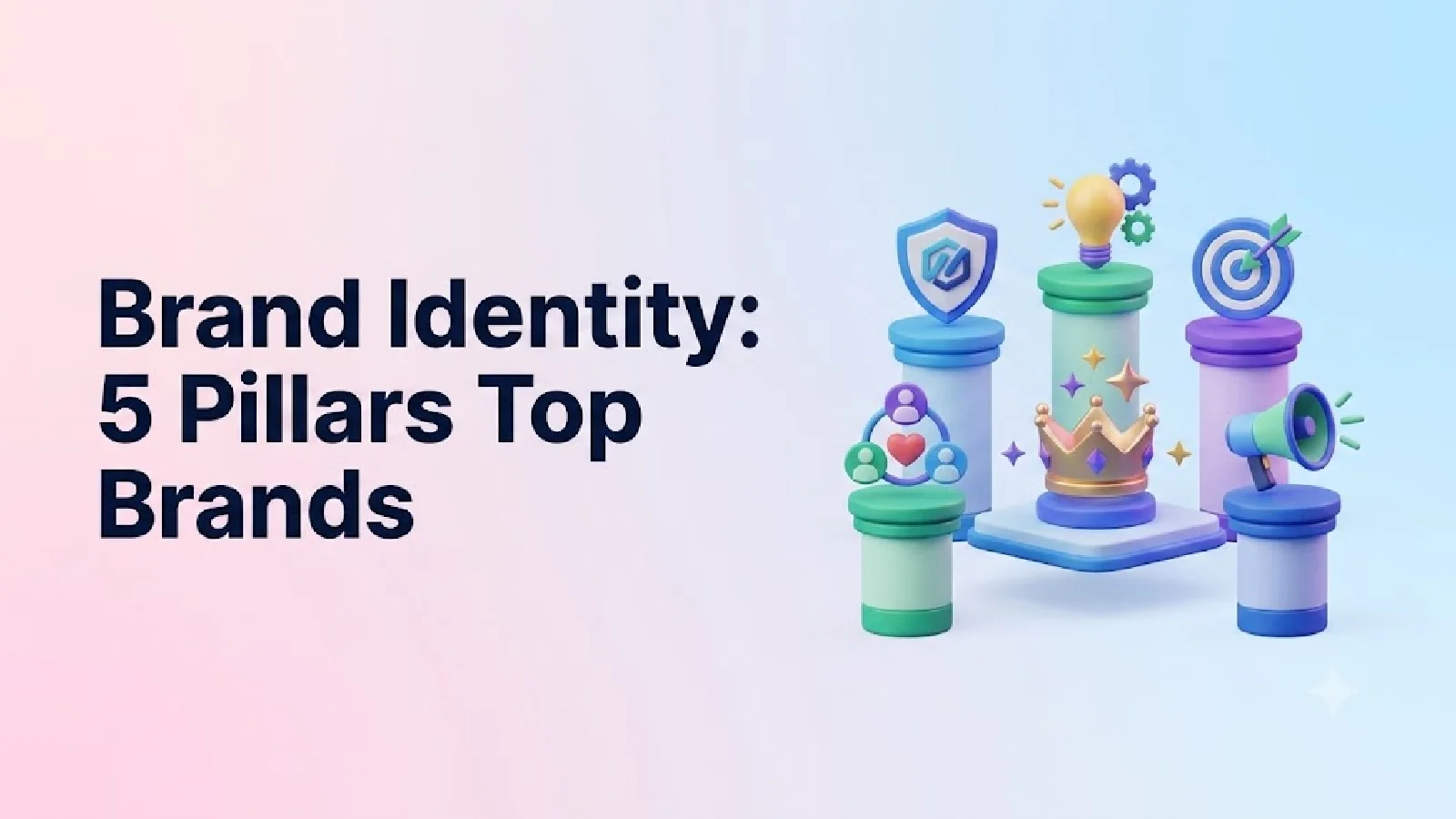
Discover the 5 essential pillars of a strong brand identity. Learn how to build a brand that resonates with your audience and stands out from the competition. Uncover the secrets to creating a memorable and impactful brand identity today.
In today’s dynamic marketplace, a strong brand identity is the cornerstone of success for any business. It’s more than just a logo or a catchy slogan; it’s the entire experience that customers have with your brand. A well-defined brand identity resonates deeply, forging lasting connections and driving customer loyalty. To help you navigate this crucial aspect of your business, we at SkySol Media have outlined the five essential pillars of a winning brand identity strategy for 2026.
✅ 1. The Heartbeat: Defining Your Brand Values
Your brand values are the fundamental beliefs that guide your business decisions and shape your company culture. They are the core principles that define who you are and what you stand for. Without clearly defined values, your brand identity will lack authenticity and fail to resonate with your target audience.
1.1. The Origin Story: What Sparked Your Brand?
Imagine sitting around a campfire, sharing the captivating tale of your brand’s birth. What problem did you set out to solve, and what core beliefs fueled your journey? Unearthing this origin story allows you to connect with your audience on a deeper, more emotional level. We at SkySol Media find that telling a compelling origin story is key to humanizing your brand and making it relatable.
1.2. Identifying Your Guiding Principles
Think of your brand values as the compass that guides your ship through turbulent waters. What principles will you never compromise on? Are you all about innovation, sustainability, or unwavering customer service? Clearly define these values – honesty, integrity, community – and they’ll become the bedrock of your brand identity. Here in Lahore, we always advise our clients to prioritize values that reflect both their business goals and their commitment to the local community.
1.3. Living Your Values: From Words to Actions
It’s not enough to just say you value something; you have to live it. Share a story about a time your brand truly embodied one of its core values. Perhaps you went the extra mile for a customer, implemented a sustainable practice, or supported a local cause. These actions speak louder than words and build trust with your audience. Remember, your actions are the most powerful representation of your brand values.
✨ 2. The Face of the Brand: Crafting a Memorable Visual Identity
Your visual identity is the visual representation of your brand, encompassing everything from your logo and color palette to your typography and imagery. It’s what people see and remember about your brand. A strong visual identity is consistent, distinctive, and aligned with your brand values.
2.1. Logo Design: More Than Just a Pretty Picture
Your logo is the first visual representation of your brand. It needs to be more than just aesthetically pleasing; it needs to tell a story. Explore the symbolism behind different shapes, colors, and fonts. What message are you trying to convey with your logo? For instance, a minimalist logo might suggest simplicity and efficiency, while a more intricate logo could communicate tradition and craftsmanship.
2.2. Color Palette: Evoking Emotions and Associations
Colors have a powerful impact on our emotions. Carefully select a color palette that aligns with your brand personality. Do you want to evoke feelings of trust and security (blues), excitement and energy (reds), or calmness and nature (greens)? For many of our clients here in Lahore, we’ve seen that incorporating local cultural colors can create a stronger connection with the target audience. This is all a key part of a solid brand strategy.
2.3. Typography: Setting the Tone of Your Message
The fonts you use in your branding can communicate a lot about your brand. A serif font might suggest tradition and reliability, while a sans-serif font can feel modern and approachable. Choose typography that complements your overall visual identity and reinforces your brand message. The consistency of the fonts used on a website versus print marketing needs to be maintained.
💡 3. The Voice: Communicating with Your Audience
Your brand voice is the personality and style that you use to communicate with your audience. It’s how you express your brand values and connect with your target market. A consistent and authentic brand voice helps you build relationships and establish trust.
3.1. Defining Your Brand Voice Personality
Imagine your brand as a person. Are they witty and playful, or serious and professional? Define your brand voice personality and create a style guide that ensures consistency across all your communications. This style guide should outline the tone, language, and vocabulary that your brand will use.
3.2. Tone and Style: Tailoring Your Message
The tone of your brand voice should adapt to different situations. How would you communicate on social media versus in a formal email? Establish guidelines for tone and style to maintain a consistent brand experience across all touchpoints. It is important to consider cultural norms as part of brand strategy when communicating to different audiences.
3.3. Crafting Compelling Brand Messaging
Your brand messaging should be clear, concise, and compelling. What’s the core message you want to communicate to your audience? Develop a tagline and key message points that capture the essence of your brand. This includes website copy, social media posts, and advertising materials. A key message of your brand messaging will touch on your brand values.
➡️ 4. The Promise: Brand Positioning and Differentiation
Brand positioning is the process of defining how you want your brand to be perceived in the market relative to your competitors. It’s about identifying your unique selling proposition (USP) and communicating it effectively to your target audience. Effective brand positioning helps you stand out from the crowd and attract the right customers.
4.1. Understanding Your Target Audience
Who are you trying to reach? Develop detailed buyer personas that represent your ideal customers. Understand their needs, desires, and pain points so you can tailor your brand messaging and offerings accordingly. Consider demographics, psychographics, and buying behavior. This is all part of building a strong brand strategy.
4.2. Identifying Your Unique Selling Proposition (USP)
What makes your brand different from the competition? Identify your unique selling proposition (USP) – the one thing that you do better than anyone else. This will be the cornerstone of your brand positioning. It could be superior quality, innovative technology, or exceptional customer service.
4.3. Positioning Your Brand in the Market
How do you want your brand to be perceived in the market? Are you the premium option, the value leader, or the innovative disruptor? Clearly define your brand positioning and communicate it effectively to your target audience. This involves crafting a compelling brand messaging strategy.
🎯 5. The Experience: Building Lasting Connections
The brand experience encompasses every interaction a customer has with your brand, from browsing your website to interacting with customer service. A positive brand experience builds loyalty, fosters advocacy, and strengthens your brand identity. It’s about creating a consistent and memorable journey for your customers.
5.1. Customer Service: Creating Raving Fans
Every interaction with your brand is an opportunity to create a positive experience. Provide exceptional customer service that goes above and beyond expectations. Happy customers are your best brand ambassadors. We often remind our clients that a single negative customer service experience can undo years of positive brand messaging.
5.2. Brand Storytelling: Connecting on an Emotional Level
People connect with stories. Share the story of your brand, its mission, and the impact you’re making on the world. Use storytelling to create an emotional connection with your target audience and build brand loyalty. Here’s an expert quote on why this is important:
“People don’t buy what you do; they buy why you do it. And what you do simply proves what you believe.” – Simon Sinek
5.3. Community Building: Fostering a Sense of Belonging
Create a community around your brand where customers can connect with each other and share their experiences. This could be through social media groups, online forums, or in-person events. A strong community fosters a sense of belonging and strengthens brand loyalty. For instance, organizing local events for your top clients to engage with your products directly to foster a sense of community.
Here’s a summary list of the top 3 things to remember:
1. Defining Your Brand Values
2. Crafting a Memorable Visual Identity
3. Building Lasting Connections
5.4. Ensuring Brand Consistency Across All Touchpoints
In today’s multi-channel world, it’s more important than ever to maintain brand consistency across all touchpoints. Ensure that your visual identity, brand voice, and brand messaging are consistent on your website, social media channels, marketing materials, and customer service interactions. A consistent brand experience builds trust and reinforces your brand identity. The goal is to ensure that your customer perception is always positive.
Maintaining brand guidelines will help achieve brand consistency.
Pillar
Description
Key Elements
Brand Values
The fundamental beliefs that guide your business.
Origin story, guiding principles, actions.
Visual Identity
The visual representation of your brand.
Logo design, color palette, typography.
Brand Voice
The personality and style you use to communicate.
Voice personality, tone and style, messaging.
Brand Positioning
How you want your brand to be perceived.
Target audience, USP, market positioning.
Brand Experience
Every interaction a customer has with your brand.
Customer service, storytelling, community.
Conclusion
By focusing on these five pillars – defining your brand values, crafting a memorable visual identity, communicating with a consistent brand voice, strategically positioning your brand, and building lasting connections through exceptional experiences – you can create a brand identity that resonates with your target audience, differentiates you from the competition, and drives long-term success. We at SkySol Media are dedicated to helping our clients build impactful brands that stand the test of time.
Q: What is brand identity?
A: Brand identity is the overall image and feeling that a company projects to its customers. It includes everything from the logo and visual identity to the brand voice and customer experience. It represents how a business wants to be perceived in the market.
Q: Why is brand identity important?
A: A strong brand identity helps you stand out from the competition, build customer loyalty, and communicate your brand values effectively. It creates a consistent and memorable experience for your customers, leading to increased brand recognition and trust.
Q: How do I define my brand values?
A: Start by identifying your company’s core beliefs and the principles that guide your decision-making. Consider your company’s origin story, your mission, and the impact you want to make on the world. Involve your team in the process to ensure that your brand values reflect the collective beliefs of your organization.
Q: What are some key elements of a strong visual identity?
A: Key elements include a memorable logo, a consistent color palette, appropriate typography, and high-quality imagery. Your visual identity should be aligned with your brand values and appeal to your target audience.
Q: How do I develop a consistent brand voice?
A: Define your brand voice personality and create a style guide that outlines the tone, language, and vocabulary that your brand will use. Ensure that all your communications are consistent with these guidelines, whether it’s on social media, your website, or in customer service interactions.
Q: What is brand positioning?
A: Brand positioning is the process of defining how you want your brand to be perceived in the market relative to your competitors. It involves identifying your unique selling proposition (USP) and communicating it effectively to your target audience.
Q: How can I improve my customer service?
A: Focus on providing exceptional customer service that goes above and beyond expectations. Train your employees to be knowledgeable, helpful, and empathetic. Respond promptly to customer inquiries and complaints, and always strive to resolve issues to their satisfaction.
Q: How important is brand consistency?
A: Extremely important. Brand consistency across all touchpoints is crucial for building trust and reinforcing your brand identity. Ensure that your visual identity, brand voice, and brand messaging are consistent on your website, social media channels, marketing materials, and customer service interactions.
Unlock the power of WordPress to amplify your brand's digital footprint! This guide offers proven strategies to boost your WordPress online presence, attract more customers, and establish yourself as a leader in your industry.
Unlock the potential of WordPress to revolutionize your brand's online presence. This guide provides actionable steps to enhance visibility, engage your audience, and establish a strong brand identity using WordPress in 2025.
Learn how to build a powerful brand with WordPress in 7 easy steps. This guide covers everything from choosing the right theme to leveraging social media.
Crafting a WordPress website that embodies your brand identity is crucial for online success. This guide provides actionable steps to ensure your site resonates with your audience and strengthens your brand presence. Learn how to design, customize, and optimize your site for maximum impact.
Steer clear of common brand development mistakes on your WordPress site. Build a strong, recognizable brand with our expert tips and strategies. Avoid pitfalls and ensure lasting success. Learn how to cultivate brand loyalty and recognition today!
This mode enables people with epilepsy to use the website safely by eliminating the risk of seizures that result from flashing or blinking animations and risky color combinations.
Visually Impaired Mode
Improves website's visuals
This mode adjusts the website for the convenience of users with visual impairments such as Degrading Eyesight, Tunnel Vision, Cataract, Glaucoma, and others.
Cognitive Disability Mode
Helps to focus on specific content
This mode provides different assistive options to help users with cognitive impairments such as Dyslexia, Autism, CVA, and others, to focus on the essential elements of the website more easily.
ADHD Friendly Mode
Reduces distractions and improve focus
This mode helps users with ADHD and Neurodevelopmental disorders to read, browse, and focus on the main website elements more easily while significantly reducing distractions.
Blindness Mode
Allows using the site with your screen-reader
This mode configures the website to be compatible with screen-readers such as JAWS, NVDA, VoiceOver, and TalkBack. A screen-reader is software for blind users that is installed on a computer and smartphone, and websites must be compatible with it.
Online Dictionary
Readable Experience
Content Scaling
Default
Text Magnifier
Readable Font
Dyslexia Friendly
Highlight Titles
Highlight Links
Font Sizing
Default
Line Height
Default
Letter Spacing
Default
Left Aligned
Center Aligned
Right Aligned
Visually Pleasing Experience
Dark Contrast
Light Contrast
Monochrome
High Contrast
High Saturation
Low Saturation
Adjust Text Colors
Adjust Title Colors
Adjust Background Colors
Easy Orientation
Mute Sounds
Hide Images
Hide Emoji
Reading Guide
Stop Animations
Reading Mask
Highlight Hover
Highlight Focus
Big Dark Cursor
Big Light Cursor
Cognitive Reading
Virtual Keyboard
Navigation Keys
Voice Navigation
Accessibility Statement
skysolmedia.com
October 20, 2026
Compliance status
We firmly believe that the internet should be available and accessible to anyone, and are committed to providing a website that is accessible to the widest possible audience,
regardless of circumstance and ability.
To fulfill this, we aim to adhere as strictly as possible to the World Wide Web Consortium’s (W3C) Web Content Accessibility Guidelines 2.1 (WCAG 2.1) at the AA level.
These guidelines explain how to make web content accessible to people with a wide array of disabilities. Complying with those guidelines helps us ensure that the website is accessible
to all people: blind people, people with motor impairments, visual impairment, cognitive disabilities, and more.
This website utilizes various technologies that are meant to make it as accessible as possible at all times. We utilize an accessibility interface that allows persons with specific
disabilities to adjust the website’s UI (user interface) and design it to their personal needs.
Additionally, the website utilizes an AI-based application that runs in the background and optimizes its accessibility level constantly. This application remediates the website’s HTML,
adapts Its functionality and behavior for screen-readers used by the blind users, and for keyboard functions used by individuals with motor impairments.
If you’ve found a malfunction or have ideas for improvement, we’ll be happy to hear from you. You can reach out to the website’s operators by using the following email
Screen-reader and keyboard navigation
Our website implements the ARIA attributes (Accessible Rich Internet Applications) technique, alongside various different behavioral changes, to ensure blind users visiting with
screen-readers are able to read, comprehend, and enjoy the website’s functions. As soon as a user with a screen-reader enters your site, they immediately receive
a prompt to enter the Screen-Reader Profile so they can browse and operate your site effectively. Here’s how our website covers some of the most important screen-reader requirements,
alongside console screenshots of code examples:
Screen-reader optimization: we run a background process that learns the website’s components from top to bottom, to ensure ongoing compliance even when updating the website.
In this process, we provide screen-readers with meaningful data using the ARIA set of attributes. For example, we provide accurate form labels;
descriptions for actionable icons (social media icons, search icons, cart icons, etc.); validation guidance for form inputs; element roles such as buttons, menus, modal dialogues (popups),
and others. Additionally, the background process scans all the website’s images and provides an accurate and meaningful image-object-recognition-based description as an ALT (alternate text) tag
for images that are not described. It will also extract texts that are embedded within the image, using an OCR (optical character recognition) technology.
To turn on screen-reader adjustments at any time, users need only to press the Alt+1 keyboard combination. Screen-reader users also get automatic announcements to turn the Screen-reader mode on
as soon as they enter the website.
These adjustments are compatible with all popular screen readers, including JAWS and NVDA.
Keyboard navigation optimization: The background process also adjusts the website’s HTML, and adds various behaviors using JavaScript code to make the website operable by the keyboard. This includes the ability to navigate the website using the Tab and Shift+Tab keys, operate dropdowns with the arrow keys, close them with Esc, trigger buttons and links using the Enter key, navigate between radio and checkbox elements using the arrow keys, and fill them in with the Spacebar or Enter key.Additionally, keyboard users will find quick-navigation and content-skip menus, available at any time by clicking Alt+1, or as the first elements of the site while navigating with the keyboard. The background process also handles triggered popups by moving the keyboard focus towards them as soon as they appear, and not allow the focus drift outside it.
Users can also use shortcuts such as “M” (menus), “H” (headings), “F” (forms), “B” (buttons), and “G” (graphics) to jump to specific elements.
Disability profiles supported in our website
Epilepsy Safe Mode: this profile enables people with epilepsy to use the website safely by eliminating the risk of seizures that result from flashing or blinking animations and risky color combinations.
Visually Impaired Mode: this mode adjusts the website for the convenience of users with visual impairments such as Degrading Eyesight, Tunnel Vision, Cataract, Glaucoma, and others.
Cognitive Disability Mode: this mode provides different assistive options to help users with cognitive impairments such as Dyslexia, Autism, CVA, and others, to focus on the essential elements of the website more easily.
ADHD Friendly Mode: this mode helps users with ADHD and Neurodevelopmental disorders to read, browse, and focus on the main website elements more easily while significantly reducing distractions.
Blindness Mode: this mode configures the website to be compatible with screen-readers such as JAWS, NVDA, VoiceOver, and TalkBack. A screen-reader is software for blind users that is installed on a computer and smartphone, and websites must be compatible with it.
Keyboard Navigation Profile (Motor-Impaired): this profile enables motor-impaired persons to operate the website using the keyboard Tab, Shift+Tab, and the Enter keys. Users can also use shortcuts such as “M” (menus), “H” (headings), “F” (forms), “B” (buttons), and “G” (graphics) to jump to specific elements.
Additional UI, design, and readability adjustments
Font adjustments – users, can increase and decrease its size, change its family (type), adjust the spacing, alignment, line height, and more.
Color adjustments – users can select various color contrast profiles such as light, dark, inverted, and monochrome. Additionally, users can swap color schemes of titles, texts, and backgrounds, with over seven different coloring options.
Animations – person with epilepsy can stop all running animations with the click of a button. Animations controlled by the interface include videos, GIFs, and CSS flashing transitions.
Content highlighting – users can choose to emphasize important elements such as links and titles. They can also choose to highlight focused or hovered elements only.
Audio muting – users with hearing devices may experience headaches or other issues due to automatic audio playing. This option lets users mute the entire website instantly.
Cognitive disorders – we utilize a search engine that is linked to Wikipedia and Wiktionary, allowing people with cognitive disorders to decipher meanings of phrases, initials, slang, and others.
Additional functions – we provide users the option to change cursor color and size, use a printing mode, enable a virtual keyboard, and many other functions.
Browser and assistive technology compatibility
We aim to support the widest array of browsers and assistive technologies as possible, so our users can choose the best fitting tools for them, with as few limitations as possible. Therefore, we have worked very hard to be able to support all major systems that comprise over 95% of the user market share including Google Chrome, Mozilla Firefox, Apple Safari, Opera and Microsoft Edge, JAWS and NVDA (screen readers).
Notes, comments, and feedback
Despite our very best efforts to allow anybody to adjust the website to their needs. There may still be pages or sections that are not fully accessible, are in the process of becoming accessible, or are lacking an adequate technological solution to make them accessible. Still, we are continually improving our accessibility, adding, updating and improving its options and features, and developing and adopting new technologies. All this is meant to reach the optimal level of accessibility, following technological advancements. For any assistance, please reach out to