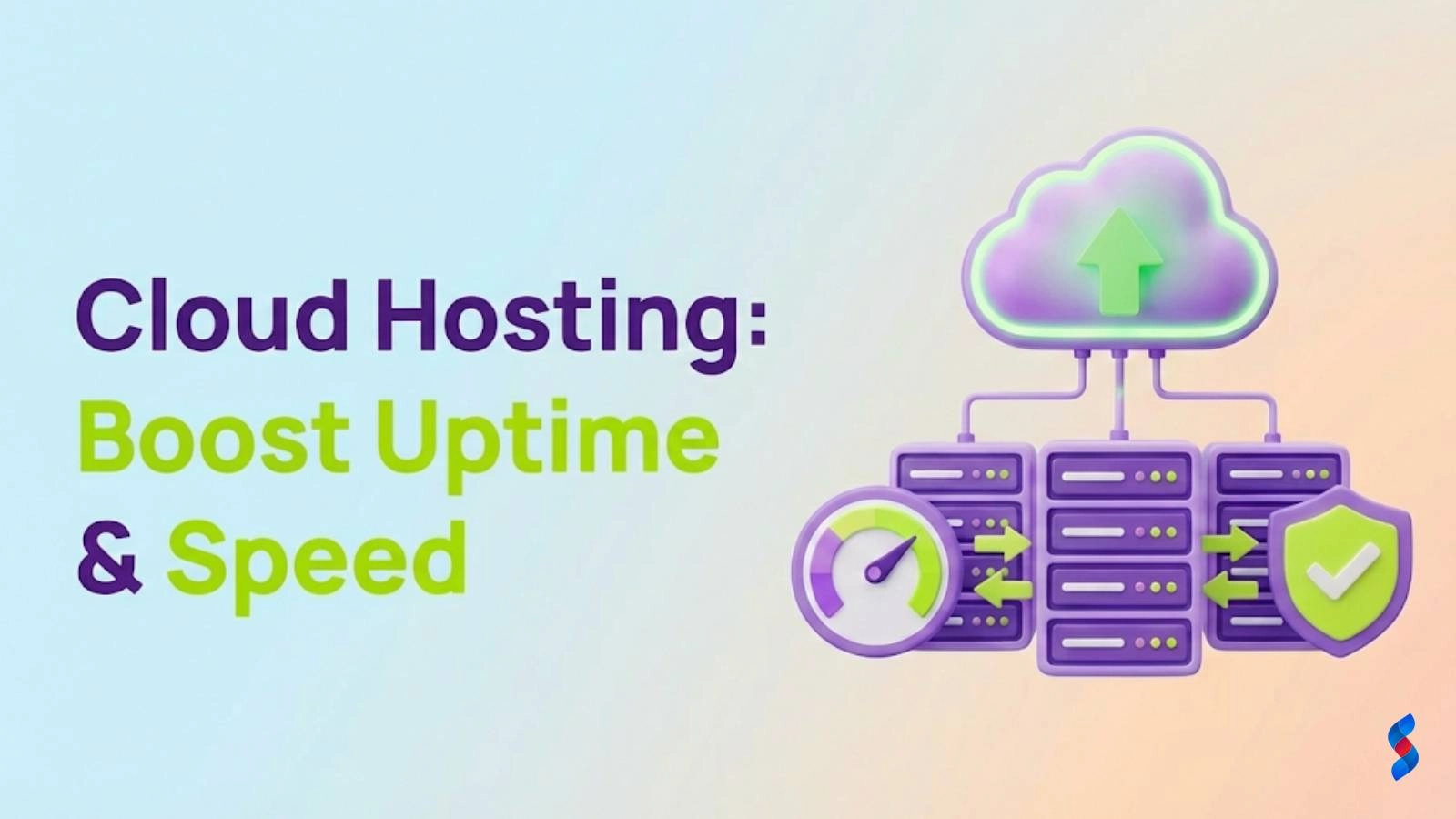
As we delve into the world of web hosting, a critical question arises: How Can Cloud Web Hosting Revolutionize Your Website’s Uptime and Performance? In today’s digital landscape, where a website’s availability and speed can make or break a business, understanding the benefits of cloud web hosting is paramount. At SkySol Media, we’ve consistently seen that adapting to cloud hosting can significantly enhance website uptime improvement and performance optimization, offering a more reliable web hosting experience. This comprehensive guide will explore the ins and outs of cloud web hosting, its benefits over traditional hosting, and how it can specifically address the needs of fast website loading, website security, scalability, and flexibility, ultimately leading to cost-effective hosting solutions.
Introduction to Cloud Web Hosting
Cloud web hosting is a form of web hosting that uses cloud computing technology, allowing businesses to host their websites on virtual servers that pull resources from a network of physical servers. This setup offers greater flexibility, scalability, and reliability compared to traditional hosting methods.
What is Cloud Web Hosting?
Cloud web hosting operates by distributing the load across multiple servers, reducing the risk of server overload and enhancing website uptime. It’s a service model where resources such as servers, applications, and storage are provided as a service over the internet, on-demand. The benefits of cloud hosting, including cloud hosting benefits such as improved performance, and website uptime improvement, make it an attractive choice for businesses seeking reliable web hosting for their online presence.
Benefits of Cloud Hosting Over Traditional Hosting
One of the primary advantages of cloud hosting over traditional hosting is its ability to scale. Traditional hosting often comes with fixed resources, which can lead to performance issues during traffic spikes. In contrast, cloud hosting allows for real-time scaling to meet demand, ensuring that websites remain fast and responsive. Moreover, cloud hosting offers better performance optimization, as resources can be allocated more efficiently. This directly contributes to fast website loading times and improved overall website performance.
Understanding Website Uptime and Performance
Website uptime refers to the amount of time that a website is available and accessible to users, while performance relates to how quickly a website loads and responds to user interactions. Both are crucial for user experience and search engine rankings.
Importance of High Uptime for Businesses
High uptime is essential for businesses as it directly affects sales, customer satisfaction, and brand reputation. A website that is frequently down can lead to lost sales and a negative perception of the brand. At SkySol Media, we’ve seen firsthand how improved website uptime can lead to significant increases in customer satisfaction and, ultimately, revenue.
Factors Affecting Website Performance
Several factors can affect website performance, including server speed, bandwidth, website design, and the number of concurrent visitors. Optimizing these factors is key to achieving fast website loading times. Cloud hosting, with its scalable nature and performance optimization capabilities, is well-suited to address these challenges, ensuring reliable web hosting that supports high-performance websites.
How Cloud Hosting Improves Uptime
Cloud hosting improves uptime through its inherent scalability and redundancy.
Scalability and Flexibility
Cloud hosting allows for instant scalability, meaning that resources can be quickly adjusted to meet changing demands. This flexibility ensures that a website can handle sudden spikes in traffic without experiencing downtime, directly contributing to website uptime improvement.
Redundancy and Backup Systems
Cloud hosting also offers redundancy and automatic backup systems, which protect against data loss and server failures. If one server goes down, the workload is automatically shifted to another, ensuring continuous uptime. This redundancy is a critical component of reliable web hosting, providing businesses with peace of mind and minimizing the risk of extended downtime.
Enhancing Performance with Cloud Hosting
Cloud hosting not only improves uptime but also enhances website performance through content delivery networks (CDNs) and optimized server locations.
Content Delivery Networks (CDNs)
CDNs cache website content across different geographic locations, reducing the distance between users and website resources. This results in faster load times, as users can access content from a server closer to them, addressing the need for fast website loading.
Optimized Server Locations
Cloud hosting providers often have data centers in multiple locations worldwide. By hosting a website in a data center closer to the target audience, latency can be significantly reduced, leading to improved performance and faster website loading times.
Security and Cloud Web Hosting
Security is a top priority for any website, and cloud hosting offers several security benefits.
Common Web Security Threats
Websites are constantly under threat from hacking, malware, and DDoS attacks. Traditional hosting solutions can be vulnerable to these threats, especially if the hosting provider does not maintain high security standards.
Cloud Hosting Security Features
Cloud hosting providers typically offer robust security features, including firewalls, intrusion detection, and encryption. Moreover, the scalable nature of cloud hosting allows for easier implementation of security updates and patches, ensuring that websites are protected against the latest threats. This emphasis on website security further enhances the reliability of cloud web hosting, making it a preferred choice for businesses seeking secure and reliable web hosting solutions.
Cost-Effectiveness of Cloud Hosting
Despite its advanced features, cloud hosting can be more cost-effective than traditional hosting solutions.
Pricing Models and Plans
Cloud hosting pricing models are often based on actual usage, which means businesses only pay for the resources they use. This pay-as-you-go model can be more economical than traditional hosting plans, where businesses pay a fixed fee regardless of their resource usage.
Long-Term Savings
In the long term, cloud hosting can lead to significant savings, as businesses avoid the capital expenditures associated with purchasing and maintaining their own servers. Additionally, the scalability of cloud hosting means that businesses can quickly adjust their resources to meet changing demands, avoiding unnecessary costs and supporting cost-effective hosting.
Case Studies: Success Stories of Cloud Migration
Several businesses have successfully migrated to cloud hosting, experiencing improved uptime, performance, and cost savings.
Improved Uptime and Performance Examples
For instance, a company that migrated its e-commerce platform to cloud hosting saw a 99.99% uptime and a 30% improvement in website loading times. This not only enhanced the user experience but also led to an increase in sales and customer satisfaction.
Cost Savings and Efficiency Gains
Another company reported a 40% reduction in hosting costs after moving to cloud hosting, along with a significant decrease in the time spent on server management and maintenance. This allowed the company to focus more on its core business activities, leading to efficiency gains and further growth.
Choosing the Right Cloud Web Hosting Provider
With so many cloud hosting providers available, choosing the right one can be challenging.
Key Features to Look For
When selecting a cloud hosting provider, look for features such as scalability, redundancy, security, and performance optimization. It’s also crucial to evaluate the provider’s customer support and reliability, as these factors directly impact the quality of the hosting service and the overall reliability of web hosting.
Evaluating Provider Reliability and Support
At SkySol Media, we recommend evaluating a provider’s reliability by checking their uptime guarantees, reading reviews, and asking about their support services. A reliable provider should offer 24/7 support, comprehensive documentation, and a responsive community forum. This level of support is essential for minimizing downtime and ensuring that any issues are resolved quickly, further emphasizing the importance of reliable web hosting.
Implementing Cloud Web Hosting
Implementing cloud web hosting involves several steps, including migration from traditional hosting, setting up, and configuring the cloud hosting environment.
Migration Process from Traditional Hosting
The migration process typically starts with assessing the current hosting setup and identifying the resources needed for cloud hosting. This is followed by setting up the cloud hosting environment, transferring data, and configuring the necessary settings.
Setting Up and Configuring Cloud Hosting
Setting up cloud hosting involves creating a cloud account, selecting the appropriate plan, and configuring the server settings. It’s also essential to set up security features, such as firewalls and backups, to protect the website from potential threats and ensure website security.
Monitoring and Maintenance
Once the cloud hosting is set up, ongoing monitoring and maintenance are crucial to ensure optimal performance and uptime.
Tools for Uptime and Performance Monitoring
There are various tools available for monitoring website uptime and performance, including Pingdom, Uptime Robot, and GTmetrix. These tools provide insights into website loading times, downtime, and other performance metrics, helping businesses to identify areas for improvement and optimize their cloud hosting setup for fast website loading and reliable web hosting.
Best Practices for Ongoing Maintenance
Best practices for maintenance include regular software updates, security audits, and performance optimization. It’s also important to regularly backup website data to prevent loss in case of a disaster. By following these best practices, businesses can ensure their cloud hosting environment remains secure, efficient, and always available, supporting the goal of reliable web hosting and website uptime improvement.
Conclusion
In conclusion, cloud web hosting offers a plethora of benefits, from improved uptime and performance to enhanced security and scalability. By understanding how cloud hosting works and what features to look for in a provider, businesses can make an informed decision about their web hosting needs. At SkySol Media, we believe that migrating to cloud hosting can revolutionize a website’s uptime and performance, leading to increased customer satisfaction, improved search engine rankings, and ultimately, greater business success. With its cost-effective hosting models, cloud server hosting provides a flexible and reliable solution for businesses of all sizes. Whether you’re looking to enhance your website’s uptime, security, or performance, cloud web hosting is the way forward.
FAQ Section
Frequently Asked Questions About Cloud Web Hosting
1. What is cloud web hosting?
– Cloud web hosting is a type of web hosting that uses cloud computing technology to host websites on virtual servers.
2. How does cloud hosting improve website uptime?
– Cloud hosting improves uptime through scalability, redundancy, and automatic backup systems.
3. What are the benefits of cloud hosting over traditional hosting?
– Cloud hosting offers better scalability, performance, security, and cost-effectiveness compared to traditional hosting.
4. How do I choose the right cloud hosting provider?
– Look for features like scalability, redundancy, security, and performance optimization, and evaluate the provider’s reliability and support.
5. Is cloud hosting secure?
– Yes, cloud hosting is secure, offering robust security features such as firewalls, intrusion detection, and encryption.
Additional Resources for Further Learning
For more information on cloud web hosting and its benefits, we recommend exploring the following resources:
- Cloud Hosting Provider Websites: Most cloud hosting providers offer comprehensive guides, tutorials, and FAQs on their websites.
- Tech Blogs: Websites like TechCrunch, The Verge, and Wired often feature articles on cloud computing and web hosting.
- Online Courses: Platforms like Udemy, Coursera, and edX offer courses on cloud computing, web development, and related topics.