Future-Proof Digital Marketing Strategy: Proven 2026 Guide
Worried your digital marketing strategy is outdated? This guide reveals the common pitfalls and provides a roadmap for building a future-proof plan. Learn how to adapt to change and stay ahead of the competition with a resilient digital marketing strategy.
Your digital marketing strategy is more than just a plan; it’s the compass guiding your brand through the ever-evolving digital landscape. In today’s fast-paced world, what worked yesterday may not work tomorrow. Therefore, future-proofing your digital marketing strategy is no longer optional – it’s essential for survival and growth.
The Problem: Why Your Current Digital Marketing Strategy Might Be Failing
Many businesses find that their current approaches to online marketing are falling short of expectations. This isn’t necessarily due to a lack of effort, but rather a failure to adapt to the changing tides of the digital world. Understanding why your current digital marketing strategy might be faltering is the first step towards building a more resilient and effective plan.
Stagnation in a Dynamic Landscape
The digital realm is anything but static. Algorithms change, new platforms emerge, and consumer behavior evolves at an alarming rate. A digital marketing strategy built on outdated tactics and assumptions is destined to lose its effectiveness over time. In our experience, we’ve seen countless businesses cling to what once worked, only to be left behind by more agile competitors. A client once asked us why their website traffic had plateaued despite consistent content updates. We showed them how their on-page SEO hadn’t been updated for mobile-first indexing, which Google prioritized. Applying those SEO tactics led to a measurable lift in their rankings and traffic. This is why continuous learning and adaptation are vital.
Ignoring Emerging Trends
Failing to recognize and adapt to new technologies and platforms is a critical mistake. The rise of TikTok, the metaverse, and the increasing sophistication of AI-driven marketing tools all present significant opportunities for businesses. Ignoring these emerging trends means missing out on potential avenues for reaching new audiences and engaging with existing customers in innovative ways. When our team in Dubai tackles this issue, they often find clients who are hesitant to experiment with new channels due to perceived risks. However, calculated risks and strategic experimentation are often necessary to stay ahead of the curve. Consider how early adopters of influencer marketing gained a significant advantage over their competitors.
Lack of Measurable Results
One of the biggest pitfalls of any marketing endeavor is the inability to track and analyze key performance indicators (KPIs) effectively. Without clear metrics and a robust analytics framework, it’s impossible to determine whether your efforts are paying off. Many businesses invest heavily in online marketing without truly understanding the return on investment (ROI). This lack of visibility can lead to wasted resources and missed opportunities for optimization. We’ve seen companies spend fortunes on social media ads without tracking conversions or attributing sales to specific campaigns. A solid marketing analytics foundation is crucial for making informed decisions and maximizing the impact of your marketing strategy.
Poor Customer Understanding
The needs and preferences of your target audience are constantly evolving. A digital marketing strategy that doesn’t account for these changes is likely to become irrelevant. Businesses need to continuously gather feedback, analyze customer data, and adjust their approach accordingly. This includes understanding their pain points, motivations, and preferred channels of communication. A static view of your target audience will lead to misdirected efforts and a disconnect between your brand and your customers. We often advise clients to conduct regular customer surveys and focus groups to stay in touch with their evolving needs. For example, if your customers are increasingly using mobile devices, you need to optimize your website and content for mobile viewing.
The Solution: Building a Future-Proof Digital Marketing Strategy
Building a future-proof digital marketing strategy requires a shift in mindset. It’s about embracing change, leveraging data, and investing in innovation. It’s also about having a clear understanding of the core components that make a robust marketing strategy effective.
Embrace Agility and Adaptability
Fostering a culture of continuous learning and experimentation is paramount. This means encouraging your team to stay informed about the latest marketing trends, test new approaches, and learn from both successes and failures. A rigid, inflexible digital marketing strategy is a recipe for disaster. Agility allows you to respond quickly to changes in the market and adapt your approach as needed. At SkySol Media, we encourage our clients to adopt a growth mindset and view marketing as an ongoing process of optimization and refinement. This involves setting clear goals, tracking progress, and making adjustments along the way.
Focus on Data-Driven Decision Making
Leveraging marketing analytics to understand customer behavior and optimize campaigns is essential. Data provides valuable insights into what’s working, what’s not, and where you should focus your efforts. This includes tracking website traffic, lead generation, conversion rates, and other key metrics. A data-driven approach allows you to make informed decisions and avoid relying on guesswork or intuition. We often use tools like Google Analytics and HubSpot to gather data and create reports that provide actionable insights for our clients. Remember that data is only valuable if you know how to interpret it and use it to improve your marketing strategy.
Invest in Emerging Technologies
Exploring and implementing AI, machine learning, and other innovative tools can give you a competitive edge. These technologies can help you automate tasks, personalize the customer experience, and gain deeper insights into your target audience. While the initial investment may seem daunting, the long-term benefits can be significant. AI-powered chatbots can provide instant customer support, while machine learning algorithms can predict customer behavior and optimize ad campaigns. At SkySol Media, we stay up-to-date on the latest technological advancements and help our clients identify opportunities to leverage these tools in their marketing efforts.
Understanding the Core Components of a Robust Strategy
A future-proof digital marketing strategy needs a solid foundation. Understanding the core components will guide your efforts in the right direction, enabling your marketing endeavors to yield fruitful results.
Defining Clear Goals and Objectives
Aligning your digital marketing efforts with your overall business goals is crucial. What are you trying to achieve? Are you looking to increase brand awareness, generate leads, drive sales, or improve customer loyalty? Your goals should be specific, measurable, achievable, relevant, and time-bound (SMART). Without clear goals and objectives, your marketing strategy will lack direction and focus. We work with our clients to define their goals and develop a roadmap for achieving them. This involves identifying key performance indicators (KPIs) and tracking progress towards those goals. For example, if your goal is to increase website traffic, you might track metrics such as organic search rankings, social media engagement, and referral traffic.
Identifying Your Target Audience
Conducting thorough research to understand their needs and preferences is key. Who are you trying to reach? What are their demographics, interests, and behaviors? What are their pain points and motivations? The more you know about your target audience, the more effectively you can tailor your marketing messages and choose the right channels. We use various research methods, including surveys, focus groups, and data analytics, to gain a deep understanding of our clients’ target audiences. This information is then used to create buyer personas, which are fictional representations of your ideal customers.
Selecting the Right Channels and Platforms
Choosing the channels that are most effective for reaching your target audience is critical. There are countless online marketing channels available, including social media, search engines, email, and content marketing. It’s important to select the channels that align with your target audience’s preferences and behaviors. For example, if you’re targeting young adults, you might focus on social media platforms like TikTok and Instagram. If you’re targeting business professionals, you might focus on LinkedIn and email marketing. We help our clients evaluate the various channels and platforms and choose the ones that will deliver the best results. This involves considering factors such as cost, reach, and engagement potential.
The Importance of SEO in a Changing World
Search Engine Optimization (SEO) remains a cornerstone of any successful digital marketing strategy, even as algorithms and user behaviors evolve. A solid SEO strategy is essential for ensuring that your website and content are easily discoverable by potential customers.
Adapting to Algorithm Updates
Staying informed about Google’s algorithm updates and adjusting your SEO strategy accordingly is crucial. Google is constantly refining its algorithms to provide users with the most relevant and high-quality search results. This means that SEO tactics that worked in the past may no longer be effective. We closely monitor Google’s algorithm updates and adjust our strategies accordingly. This includes staying up-to-date on the latest best practices for keyword research, on-page optimization, and link building. For example, the rise of mobile-first indexing has made it essential to optimize your website for mobile devices.
Focusing on User Experience
Prioritizing creating a website that is user-friendly and mobile-optimized is essential. Google’s algorithms now prioritize websites that provide a seamless and enjoyable user experience. This means that your website should be fast, easy to navigate, and visually appealing. It should also be optimized for mobile devices, as more and more users are accessing the internet on their smartphones and tablets. We work with our clients to improve their website’s user experience by optimizing site speed, improving navigation, and creating mobile-friendly designs. A positive user experience will not only improve your search engine rankings but also increase customer engagement and conversions.
Building High-Quality Content
Creating valuable and engaging content that attracts and retains your target audience is paramount. Content is the foundation of any successful SEO strategy. Google’s algorithms reward websites that provide users with informative, relevant, and engaging content. This means that you need to create content that addresses your target audience’s needs and interests. We help our clients develop a content strategy that aligns with their business goals and target audience. This includes creating blog posts, articles, videos, and other types of content that are optimized for search engines.
Social Media Marketing: Beyond the Likes and Shares
Social media marketing is more than just posting updates and accumulating likes. It’s about building relationships with your audience, establishing a strong brand presence, and driving meaningful business results. A well-executed social media marketing strategy can be a powerful tool for reaching new customers and engaging with existing ones.
Building a Strong Brand Presence
Establishing a consistent brand identity across all social media platforms is essential. Your brand identity should be reflected in your logo, color scheme, tone of voice, and the types of content you share. Consistency helps to build brand recognition and trust with your audience. We work with our clients to develop a brand identity that resonates with their target audience. This includes creating a visual style guide and defining brand messaging. A strong brand presence on social media can help you stand out from the competition and attract new customers.
Engaging with Your Audience
Responding to comments and messages promptly and professionally is crucial. Social media is a two-way communication channel, so it’s important to engage with your audience and respond to their questions and concerns. This shows that you value their input and are committed to providing excellent customer service. We help our clients manage their social media accounts and respond to comments and messages in a timely and professional manner. This includes setting up monitoring tools to track mentions of your brand and responding to negative comments or reviews constructively.
Leveraging Social Media for Customer Service
Providing quick and efficient customer support through social media channels is a valuable asset. Many customers now turn to social media for customer support, so it’s important to be responsive and helpful. This can help you resolve issues quickly and efficiently, improving customer satisfaction and loyalty. We help our clients set up social media customer service protocols and train their staff on how to handle customer inquiries. This includes creating FAQs and providing quick and easy ways for customers to contact support.
Content Marketing: The Foundation of a Future-Proof Strategy
Content marketing is the cornerstone of a future-proof digital marketing strategy. By creating valuable and engaging content, you can attract and retain your target audience, establish yourself as a thought leader, and drive business results. A well-executed content marketing strategy is essential for long-term success.
Creating Valuable and Engaging Content
Developing content that educates, entertains, and inspires your target audience is essential. Your content should be relevant to their needs and interests, and it should provide value in some way. This could include providing helpful information, solving a problem, or simply entertaining them. We help our clients develop a content calendar that aligns with their business goals and target audience. This includes creating blog posts, articles, videos, infographics, and other types of content that are optimized for search engines.
Optimizing Content for Search Engines
Ensuring that your content is easily discoverable by search engines is critical. This means optimizing your content for relevant keywords, using descriptive titles and meta descriptions, and building high-quality backlinks. We help our clients optimize their content for search engines by conducting keyword research, optimizing on-page elements, and building backlinks from reputable websites. A well-optimized content strategy can help you improve your search engine rankings and drive more traffic to your website.
Distributing Content Across Multiple Channels
Promoting your content through social media, email, and other channels is essential. Creating great content is only half the battle; you also need to make sure that your target audience sees it. This means distributing your content across multiple channels, including social media, email, and paid advertising. We help our clients develop a content distribution strategy that aligns with their target audience’s preferences. This includes sharing content on social media, sending email newsletters, and promoting content through paid advertising.
Email Marketing: A Reliable Channel for Customer Engagement
In a world of fleeting trends, email marketing remains a stalwart channel for direct and personalized customer engagement. A well-crafted email marketing strategy can help you nurture leads, drive sales, and build lasting relationships with your customers.
Building a Targeted Email List
Segmenting your email list based on demographics, interests, and behaviors is key. A targeted email list allows you to send more relevant and personalized messages to your subscribers. This can improve your email open rates, click-through rates, and conversion rates. We help our clients build targeted email lists by using opt-in forms, lead magnets, and other techniques. This includes segmenting their lists based on demographics, interests, purchase history, and other factors.
Personalizing Your Email Messages
Customizing your email messages to resonate with individual subscribers is essential. Personalized email messages are more likely to capture your subscribers’ attention and drive them to take action. This could include using their name in the subject line, recommending products based on their past purchases, or sending them special offers based on their interests. We help our clients personalize their email messages by using dynamic content, segmentation, and automation. This allows them to send the right message to the right person at the right time.
Tracking Your Email Marketing Performance
Monitoring your email open rates, click-through rates, and conversion rates is crucial. Tracking your email marketing performance allows you to see what’s working and what’s not. This information can then be used to optimize your campaigns and improve your results. We help our clients track their email marketing performance by using analytics tools such as Google Analytics and email marketing platforms. This includes monitoring their open rates, click-through rates, conversion rates, and ROI.
Marketing Automation: Streamlining Your Marketing Efforts
Marketing automation is the use of software to automate repetitive marketing tasks. By automating these tasks, you can free up your time to focus on more strategic initiatives. Marketing automation can also help you personalize the customer experience, improve marketing efficiency, and drive better results.
Automating Repetitive Tasks
Using marketing automation tools to automate tasks such as email marketing, social media posting, and lead nurturing is a key time-saver. Automating these tasks can free up your time to focus on more strategic initiatives, such as developing new marketing campaigns and analyzing your results. We help our clients automate their marketing tasks by using marketing automation platforms. This includes automating email marketing, social media posting, lead nurturing, and other tasks.
Personalizing the Customer Experience
Leveraging marketing automation to deliver personalized content and offers to individual customers is essential for improving engagement. Personalization is key to improving customer engagement and driving conversions. By delivering personalized content and offers, you can make your customers feel valued and understood. We help our clients personalize the customer experience by using marketing automation platforms. This includes sending personalized emails, displaying personalized content on their website, and targeting their ads to specific customer segments.
Improving Marketing Efficiency
Increasing your marketing team’s productivity and reducing costs by automating marketing tasks is a significant benefit. Marketing automation can help you improve your marketing efficiency by automating repetitive tasks, personalizing the customer experience, and tracking your results. This can free up your time to focus on more strategic initiatives and drive better results. We help our clients improve their marketing efficiency by using marketing automation platforms. This includes automating their email marketing, social media posting, lead nurturing, and other tasks.
Measuring and Analyzing Your Results
Measuring and analyzing your results is essential for understanding the effectiveness of your digital marketing strategy. By tracking key performance indicators (KPIs) and using analytics tools, you can identify what’s working, what’s not, and where you need to make adjustments.
Identifying Key Performance Indicators (KPIs)
Tracking metrics such as website traffic, lead generation, and sales conversions is crucial for understanding if your objectives are being met. KPIs are the metrics that you use to measure the success of your marketing campaigns. These metrics should align with your business goals and objectives. We help our clients identify the KPIs that are most important to their business. This includes metrics such as website traffic, lead generation, sales conversions, customer lifetime value, and return on investment (ROI).
Using Analytics Tools
Leveraging tools such as Google Analytics to track and analyze your marketing performance is essential for understanding your audience. Analytics tools provide valuable insights into your marketing performance. These tools can help you track website traffic, lead generation, sales conversions, and other KPIs. We help our clients use analytics tools to track and analyze their marketing performance. This includes setting up Google Analytics, creating custom reports, and interpreting the data.
Making Data-Driven Decisions
Using data to optimize your marketing campaigns and improve your results is the ultimate goal. Data-driven decision making is the process of using data to inform your marketing decisions. This means using data to identify what’s working, what’s not, and where you need to make adjustments. We help our clients make data-driven decisions by providing them with actionable insights and recommendations. This includes using data to optimize their marketing campaigns, improve their website, and personalize the customer experience.
Common Misconceptions About Future-Proofing Your Digital Marketing Strategy
There are several common misconceptions about future-proofing your digital marketing strategy. Addressing these misconceptions can help you avoid costly mistakes and build a more resilient and effective plan.
Myth: It’s a One-Time Fix.
Reality: Future-proofing is an ongoing process of adaptation and improvement. It’s not something you can do once and forget about. The digital landscape is constantly evolving, so you need to continuously monitor marketing trends, adapt your strategies, and experiment with new approaches. We emphasize that future-proofing is a journey, not a destination.
Myth: It Requires a Complete Overhaul.
Reality: Incremental changes and adjustments can be just as effective. You don’t necessarily need to scrap your entire digital marketing strategy and start from scratch. Often, small changes and adjustments can have a significant impact. This could include optimizing your website for mobile devices, personalizing your email messages, or experimenting with a new social media platform. We often advise clients to start with small, incremental changes and gradually build from there.
Case Studies: Examples of Successful Future-Proofing Strategies
Real-world examples can provide valuable insights into how businesses are successfully future-proofing their digital marketing strategies.
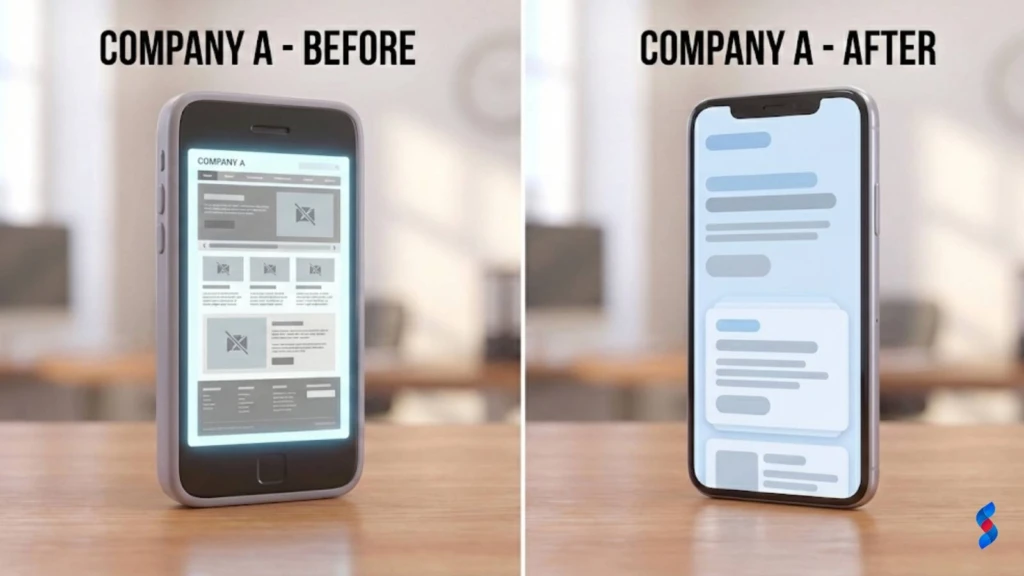
Company A: Adapting to Mobile-First Indexing
How Company A optimized its website for mobile devices and saw a significant increase in search engine rankings. Company A realized that Google was prioritizing websites that were optimized for mobile devices. They redesigned their website to be mobile-friendly, improved their site speed, and optimized their content for mobile viewing. As a result, they saw a significant increase in their search engine rankings and website traffic.
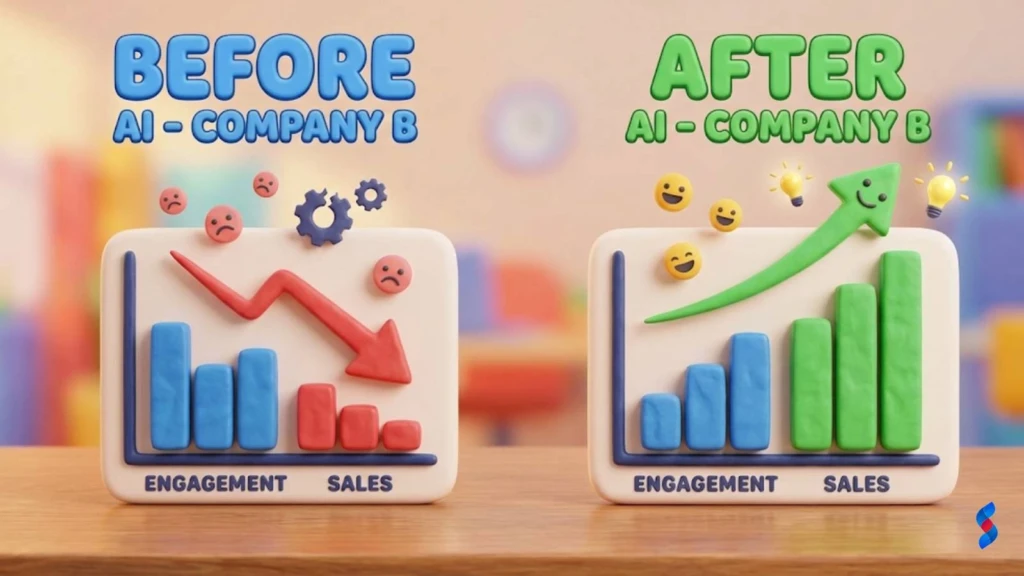
Company B: Leveraging AI for Personalized Marketing
How Company B used AI to personalize its marketing messages and improve customer engagement. Company B used AI-powered tools to analyze customer data and identify patterns in their behavior. They then used this information to personalize their marketing messages, recommend products, and target their ads. As a result, they saw a significant increase in customer engagement, sales conversions, and customer loyalty.
The Future of Digital Marketing: Key Trends to Watch
Staying ahead of the curve requires a keen awareness of emerging marketing trends.
The Rise of Artificial Intelligence
AI-powered tools will continue to transform digital marketing. AI can be used to automate tasks, personalize the customer experience, and gain deeper insights into your target audience. We believe that AI will become increasingly important in the coming years.
The Growing Importance of Personalization
Customers will expect increasingly personalized experiences. Generic marketing messages are no longer effective. Customers want to feel valued and understood, and they expect businesses to deliver personalized experiences that meet their individual needs. We advise our clients to focus on personalization in all aspects of their marketing.
The Focus on Customer Experience
Providing a seamless and enjoyable customer experience will be crucial for success. Customers are more likely to do business with companies that provide a positive customer experience. This means making it easy for customers to find what they’re looking for, providing excellent customer service, and creating a brand that they can trust.
Conclusion: Embrace Change and Thrive in the Digital Age
In conclusion, future-proofing your digital marketing strategy is not merely an option, but a necessity for sustained success in the digital age. By adopting agility, data-driven insights, and emerging technologies, businesses can develop strategies resilient to change and engineered for optimal results. Here at SkySol Media, we’re dedicated to equipping you with the expertise and resources you need to navigate this ever-evolving landscape. We believe with the right approach and expert guidance, your business can not only adapt but thrive.
Q: What is a digital marketing strategy?
A: A digital marketing strategy is a plan that outlines how a business will use digital channels to achieve its marketing goals.
Q: Why is it important to future-proof my digital marketing strategy?
A: The digital landscape is constantly evolving, so it’s important to future-proof your strategy to ensure that it remains effective over time.
Q: What are some key trends to watch in the future of digital marketing?
A: Some key trends to watch include the rise of artificial intelligence, the growing importance of personalization, and the focus on customer experience.
Q: How can I measure the success of my digital marketing strategy?
A: You can measure the success of your digital marketing strategy by tracking key performance indicators (KPIs) such as website traffic, lead generation, and sales conversions.
Q: What is marketing automation?
A: Marketing automation is the use of software to automate repetitive marketing tasks.
Q: What are the benefits of marketing automation?
A: The benefits of marketing automation include improved marketing efficiency, personalized customer experiences, and better results.
Q: How can I get started with future-proofing my digital marketing strategy?
A: Start by assessing your current strategy, identifying areas for improvement, and developing a plan for implementing changes. Consider partnering with a marketing agency like SkySol Media for expert guidance and support.
How SkySol Media Helps Brands Grow with Full-Stack Digital Marketing: In today’s fast-paced digital economy, businesses are constantly searching for smarter, more comprehensive ways to...
Why Your Business Needs a Full-Stack Digital Marketing Agency in 2025–26: In today’s ever-evolving digital world, businesses are no longer simply competing for market share—they’re...
Digital Product to Sell on Your Blog: With digital product sales expected to cross $500 billion globally by 2026, bloggers have a golden opportunity to...
Discover how to skyrocket your digital marketing efforts with WordPress marketing plugins. We reveal the top 5 proven strategies to boost engagement, leads, and conversions using the power of WordPress plugins in 2025.
Unlock the potential of WordPress to revolutionize your digital marketing ROI. Discover actionable strategies, from SEO optimization to content marketing, to maximize your returns and achieve sustainable growth. Learn how to leverage the power of WordPress effectively.
Discover the best marketing automation plugins for WordPress in 2025. Streamline your marketing efforts, boost engagement, and drive conversions with these powerful tools. Find the perfect plugin to automate your workflows and grow your business.