Why Small Businesses Should Prioritize Mobile-First Websites
In today’s digital-first world, having an online presence is no longer optional for small businesses; it is essential. As we move further into 2025, one...


The Future of WordPress Development in 2025: WordPress has come a long way since its inception in 2003. From being a simple blogging platform to powering over 40% of all websites on the internet, WordPress has evolved into a robust content management system (CMS) that caters to businesses, developers, and content creators alike. As we look ahead to 2025, the future of WordPress development promises to be even more exciting, with emerging trends and innovations set to redefine how we build and manage websites.
At SkySol Media, a full-stack digital marketing agency, we’re always at the forefront of digital trends. In this blog, we’ll explore the key trends and innovations shaping the future of WordPress development in 2025 and how businesses can leverage these advancements to stay ahead of the curve.
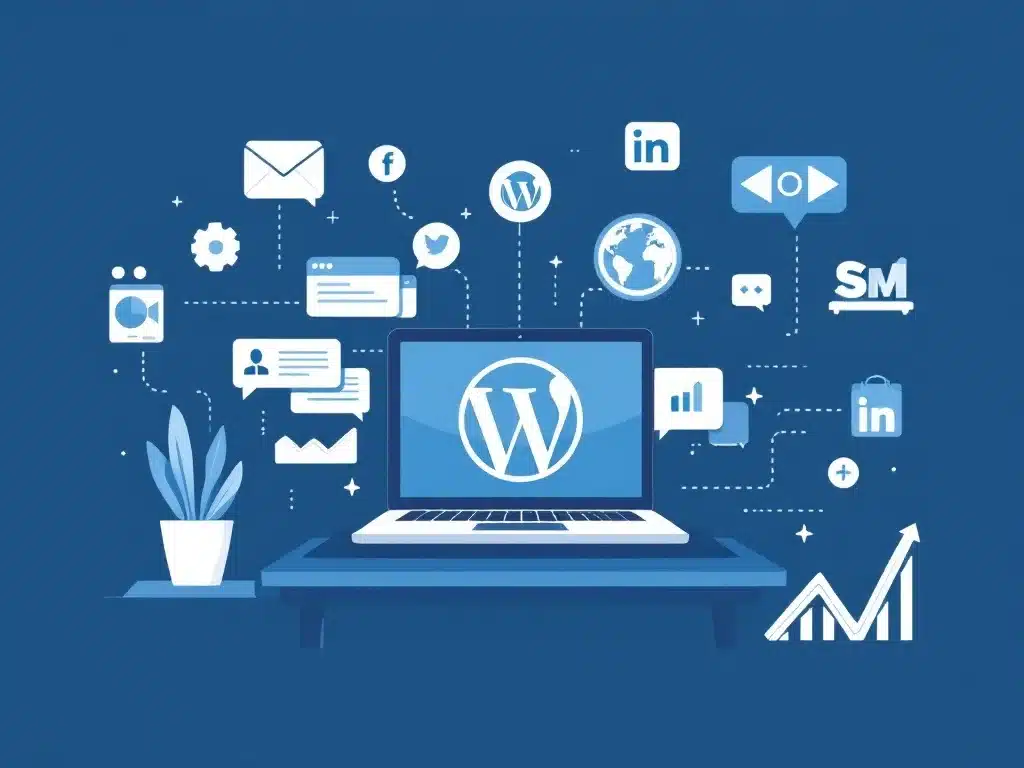
Headless WordPress is gaining traction as a modern approach to web development. In a headless architecture, the front-end (what users see) is decoupled from the back-end (where content is managed). This allows developers to use WordPress as a content management system while building the front-end with technologies like React, Vue.js, or Angular.
By 2025, we expect headless WordPress to become mainstream, especially for businesses looking to deliver seamless experiences across multiple platforms.
Artificial Intelligence (AI) is no longer a futuristic concept—it’s here, and it’s transforming WordPress development. In 2025, AI will play a pivotal role in enhancing website functionality, personalization, and user engagement.
At SkySol Media, we’re already integrating AI-driven tools into our WordPress projects to help clients stay competitive in an increasingly digital world.
The Gutenberg block editor, introduced in WordPress 5.0, has revolutionized content creation by making it more intuitive and flexible. By 2025, we expect the block editor to become even more powerful, with advanced features and integrations.
These advancements will empower businesses to create visually stunning websites with minimal technical expertise.
With the growing popularity of voice assistants like Alexa, Siri, and Google Assistant, voice search optimization is becoming a critical aspect of SEO. By 2025, optimizing WordPress websites for voice search will no longer be optional—it will be a necessity.
SkySol Media’s SEO experts are already helping clients optimize their WordPress sites for voice search, ensuring they remain visible in this rapidly evolving landscape.
As cyber threats continue to evolve, WordPress developers are prioritizing security like never before. By 2025, we can expect advanced security measures to become standard in WordPress development.
At SkySol Media, we implement robust security protocols to protect our clients’ websites from potential threats.
Progressive Web Apps (PWAs) combine the best of websites and mobile apps, offering fast loading times, offline functionality, and a native app-like experience. By 2025, PWAs will become a popular choice for WordPress websites, especially for e-commerce businesses.
WordPress developers are already creating PWA-compatible themes and plugins, making it easier for businesses to adopt this technology.
As environmental concerns grow, sustainability is becoming a key focus in web development. By 2025, we expect WordPress developers to prioritize eco-friendly practices, such as:
SkySol Media is committed to helping clients build sustainable websites that align with their environmental values.
AR and VR technologies are no longer limited to gaming and entertainment—they’re making their way into WordPress development. By 2025, we can expect to see more websites incorporating AR and VR elements to create immersive experiences.
WordPress plugins and themes that support AR and VR integration will become increasingly popular, opening up new possibilities for businesses.
Web accessibility is no longer an afterthought—it’s a legal requirement and a moral obligation. By 2025, WordPress developers will place even greater emphasis on creating websites that are accessible to all users, including those with disabilities.
SkySol Media is dedicated to building inclusive websites that cater to diverse audiences.
WordPress isn’t just a CMS—it’s a powerful tool for digital marketing. By 2025, we expect WordPress to play an even bigger role in helping businesses achieve their marketing goals.
At SkySol Media, we leverage WordPress’s capabilities to deliver comprehensive digital marketing solutions for our clients.
The future of WordPress development in 2025 is bright, with innovations like headless architecture, AI integration, and AR/VR experiences set to transform the way we build and manage websites. Businesses that embrace these trends will be well-positioned to thrive in an increasingly competitive digital landscape.
At SkySol Media, we’re excited to be at the forefront of these advancements, helping our clients harness the power of WordPress to achieve their goals. Whether you’re looking to build a cutting-edge website, optimize for voice search, or integrate AI-driven tools, our team of experts is here to guide you every step of the way.
Stay ahead of the curve—partner with SkySol Media for all your WordPress development and digital marketing needs.

Why Small Businesses Should Prioritize Mobile-First Websites

Web Development Meets Marketing: The SkySol Media Advantage

How to Make Your WordPress Site Lightning Fast in 2025-26

How Custom Plugin Development Can Solve Your Unique Business Problems

The Ultimate WordPress Speed Optimization Checklist for 2025-26

How to Future-Proof Your WordPress Site: Security, Speed & Scalability Tips