Discover how to optimize your local SEO for voice search in 2025! This guide provides proven strategies to ensure your business is found by voice assistants, attracting more customers and boosting your online presence. Get ready for the future of search!
In 2025, the way people search for information has drastically evolved. Voice search SEO is no longer a futuristic concept; it’s an essential component of any successful online marketing strategy, especially for local businesses. As more and more individuals turn to voice assistants like Google Assistant, Siri, and Alexa for their everyday queries, understanding and optimizing for voice search is paramount. In this comprehensive guide, we, at SkySol Media, will walk you through everything you need to know to dominate voice search and attract a wave of new customers.
The Growing Popularity of Voice Search
The adoption of voice search has been nothing short of phenomenal. Smartphones, smart speakers, and in-car systems are now integral parts of our lives, making voice-activated technology more accessible than ever. People appreciate the convenience of simply asking a question instead of typing it into a search bar. This ease of use has fueled the exponential growth of voice search. According to recent studies, a significant portion of the population now uses voice search daily, and that number is only projected to increase in the coming years.
How Voice Search Differs from Traditional Search
Voice search differs significantly from traditional text-based searches. When people type, they often use short, fragmented keywords. However, when they speak, they tend to use full sentences and conversational language. This difference means that optimizing for voice search requires a different approach to keyword research and content creation. Understanding these nuances is the first step toward crafting a voice search SEO strategy that truly resonates with your target audience.
Why Voice Search SEO is Crucial for Local Businesses
For local businesses, voice search presents a massive opportunity to connect with potential customers in their immediate vicinity. People often use voice search to find nearby restaurants, shops, and services using “near me searches”. By optimizing your online presence for local voice search, you can ensure that your business is prominently displayed when these location-based queries are made. Neglecting voice search SEO could mean missing out on a substantial amount of local business. When our team in Dubai tackles this issue, they often find that businesses see a massive influx of customers after optimizing for “near me” voice searches.
Understanding the Voice Search Landscape
To effectively optimize for voice search SEO, it’s essential to understand the current landscape, including key statistics, popular voice assistants, and the impact of mobile devices. Grasping these elements will help you tailor your strategy to meet the evolving needs of voice search users.
Key Voice Search Statistics and Trends
Several statistics highlight the growing importance of voice search:
Over half of all smartphone users utilize voice search regularly.
Voice search is projected to drive a significant portion of online sales in the coming years.
“Near me” searches constitute a considerable percentage of all voice queries.
Staying informed about these trends allows you to adapt your SEO strategy proactively and capitalize on emerging opportunities.
Popular Voice Assistants: Google Assistant, Siri, Alexa
Google Assistant, Siri, and Alexa dominate the voice assistant market. Each has its own unique characteristics and user base.
Google Assistant: Integrated deeply with Android devices and Google’s vast ecosystem, it offers a wide range of functionalities and extensive knowledge.
Siri: Apple’s voice assistant is seamlessly integrated into iPhones, iPads, and other Apple devices, appealing to a loyal user base. Siri search optimization is crucial for reaching Apple users.
Alexa: Amazon’s Alexa is primarily found in smart speakers like the Echo and Echo Dot, offering voice-controlled home automation and information retrieval. Alexa search optimization is important for businesses targeting smart home users.
Understanding the strengths and weaknesses of each platform is crucial for tailoring your content and optimizing for each voice assistant.
The Impact of Mobile Devices on Voice Search
Mobile devices have played a pivotal role in the rise of voice search. Smartphones are always within reach, making it incredibly convenient for users to ask questions and search for information on the go. This ubiquitous access has made mobile voice search a central component of the modern search landscape. Ensuring your website is mobile-friendly is therefore a prerequisite for effective voice search SEO.
Optimizing Your Website for Voice Search: Foundational Steps
Before diving into specific voice search SEO techniques, it’s crucial to ensure that your website meets the foundational requirements for optimal performance. These include mobile-first indexing, website speed optimization, and security.
Mobile-First Indexing: Ensuring Responsiveness
Google uses mobile-first indexing, meaning it primarily crawls and indexes the mobile version of your website. If your website isn’t mobile-friendly, it will likely struggle to rank well in both traditional and voice search results.
Responsive Design: Use a responsive design that adapts seamlessly to different screen sizes.
Mobile Optimization: Ensure your website loads quickly and is easy to navigate on mobile devices.
Mobile Testing: Regularly test your website’s mobile performance using tools like Google’s Mobile-Friendly Test.
Website Speed Optimization: A Critical Factor
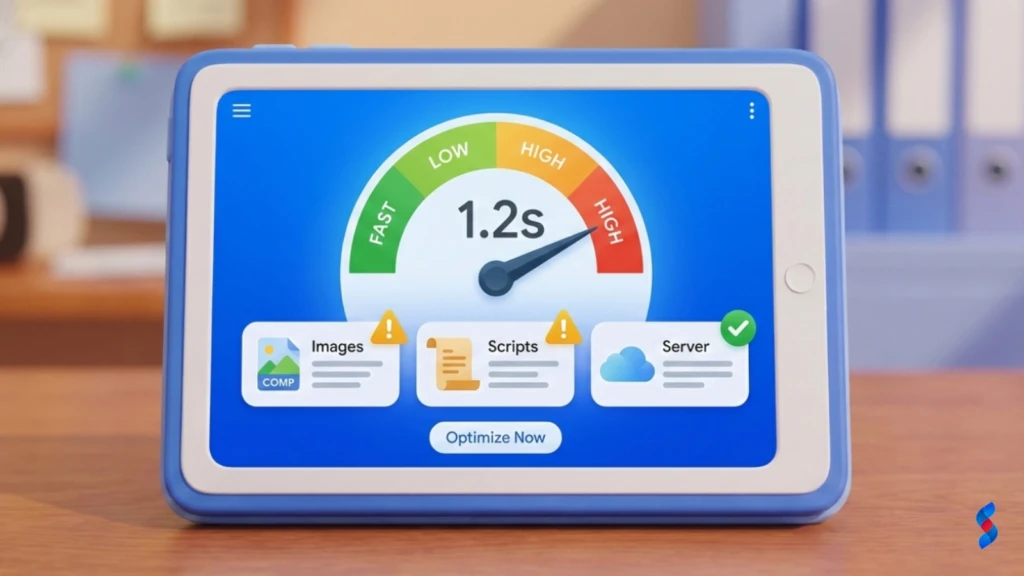
Website speed is a critical ranking factor for both traditional and voice search. Voice search users expect immediate results, and a slow-loading website can lead to frustration and abandonment.
Image Optimization: Compress images to reduce file size without sacrificing quality.
Caching: Implement browser caching to store frequently accessed resources.
Content Delivery Network (CDN): Use a CDN to distribute your website’s content across multiple servers, improving loading times for users around the world.
Minify CSS and JavaScript: Reduce the size of your CSS and JavaScript files by removing unnecessary characters.
Securing Your Site with HTTPS: Building Trust
HTTPS (Hypertext Transfer Protocol Secure) is a secure version of HTTP that encrypts communication between your website and users’ browsers. Google prioritizes websites with HTTPS, and it’s become an essential ranking factor. Securing your site with HTTPS not only protects user data but also builds trust and credibility, which can positively impact your voice search ranking.
Keyword Research for Voice Search: Thinking Conversationally
Effective keyword research is the cornerstone of any successful SEO strategy, and voice search is no exception. However, keyword research for voice search requires a shift in mindset. Instead of focusing on short, generic keywords, you need to think conversationally and target long-tail, question-based queries.
Long-Tail Keywords: Targeting Specific Queries
Long-tail keywords are longer, more specific phrases that people use when they’re further along in the buying process or have a very specific question in mind. These keywords are particularly important for voice search because people tend to use more natural and detailed language when speaking.
Example: Instead of targeting “pizza,” target “best vegan pizza near me in downtown Manhattan.”
By targeting long-tail keywords, you can attract highly qualified leads and increase your chances of ranking well in voice search results.
Question-Based Keywords: Answering User Needs
People often use voice search to ask questions, so it’s essential to identify and target question-based keywords. These keywords typically start with words like “who,” “what,” “where,” “when,” “why,” and “how.”
Example: “What are the best Italian restaurants in Brooklyn?”
Creating content that directly answers these questions can significantly improve your voice search ranking.
Local Keywords: Focusing on “Near Me” Searches
As mentioned earlier, “near me” searches are incredibly common in voice search. Optimizing for local keywords is therefore crucial for attracting local customers.
Example: “coffee shops near me,” “best dry cleaners near me open now.”
Include your city and region in your website content, Google Business Profile, and other online listings to improve your visibility in local voice search results.
Leveraging Keyword Research Tools for Voice Search
Several keyword research tools can help you identify relevant voice search keywords.
Google Keyword Planner: A free tool from Google that provides keyword ideas and search volume data.
SEMrush: A comprehensive SEO tool that offers keyword research, competitive analysis, and rank tracking features.
Ahrefs: Another popular SEO tool with robust keyword research and backlink analysis capabilities.
AnswerThePublic: This tool helps you discover questions people are asking about a specific topic.
By using these tools, you can gain valuable insights into the keywords that are driving voice search traffic in your niche.
“Understanding the intent behind voice searches is key. Focus on answering user questions directly and concisely. Think ‘snippets’!” – Sarah Jones, SEO Expert
Claiming and Optimizing Your Google Business Profile (GBP)
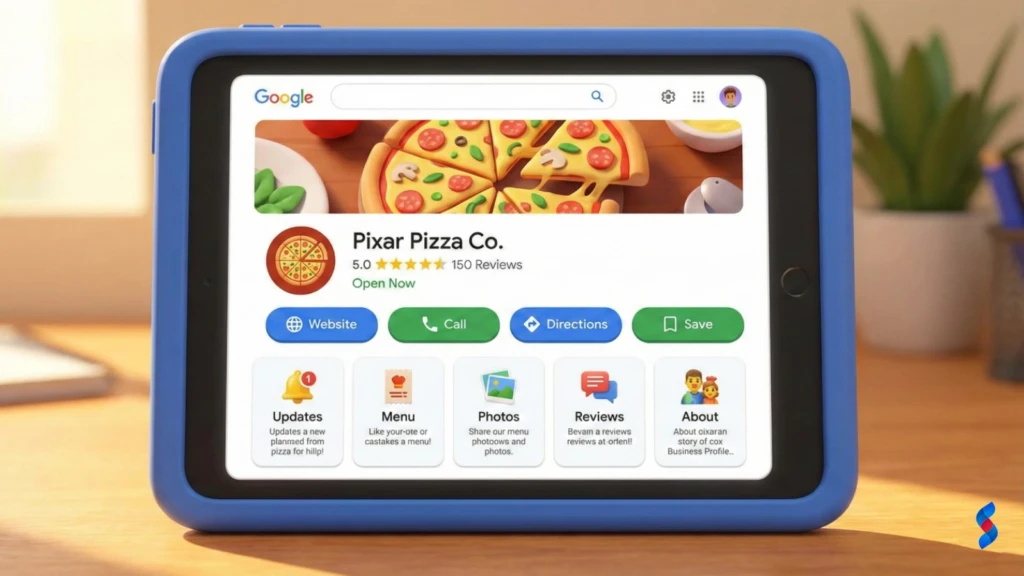
Your Google Business Profile (GBP) is a critical component of your local SEO strategy, and it plays a particularly important role in voice search. Ensuring your GBP is accurate, complete, and optimized can significantly improve your visibility in local voice search results.
Importance of Google Business Profile for Local Voice Search
When someone uses voice search to find a local business, Google often relies on information from the GBP to provide relevant results. A well-optimized GBP can help you rank higher in local search and attract more customers.
Completing All Sections of Your GBP Accurately
Make sure to complete every section of your GBP with accurate and up-to-date information. This includes your business name, address, phone number, website URL, hours of operation, and categories. The more complete your profile is, the more likely Google is to consider it a reliable source of information.
Optimizing Business Description with Relevant Keywords
Your business description is an opportunity to showcase your products and services while also incorporating relevant keywords. Write a clear and concise description that highlights what makes your business unique and includes keywords that people are likely to use when searching for your business.
Managing and Responding to Customer Reviews
Customer reviews can significantly impact your online reputation and search ranking. Encourage your customers to leave reviews on your GBP, and respond promptly and professionally to both positive and negative feedback. Positive reviews can boost your credibility and attract more customers, while addressing negative reviews shows that you care about customer satisfaction. We once had a client who dramatically improved their local voice search ranking simply by actively managing their customer reviews and responding to feedback.
Structured Data Markup: Helping Search Engines Understand Your Content
Structured data markup, also known as schema markup, is a way to provide search engines with more information about your website’s content. By adding schema markup to your HTML code, you can help search engines understand the context and meaning of your content, which can improve your search ranking and visibility in voice search results.
What is Schema Markup and Why It Matters
Schema markup uses a standardized vocabulary to tag different elements on your website, such as your business name, address, phone number, hours of operation, products, and services. This helps search engines like Google understand what your website is about and display relevant information in search results. Schema markup is particularly important for voice search because it allows search engines to quickly and accurately extract key information from your website and provide it to voice search users.
Implementing Local Business Schema Markup
For local businesses, implementing local business schema markup is essential. This type of markup provides search engines with specific information about your business, such as your name, address, phone number, website URL, hours of operation, and price range.
Here’s an example of local business schema markup in HTML:
You can use schema markup to highlight various types of information on your website, such as:
Products: Add schema markup to your product pages to provide search engines with information about your products, such as their name, description, price, and availability.
Services: Add schema markup to your service pages to provide search engines with information about your services, such as their name, description, and price.
Events: Add schema markup to your event pages to provide search engines with information about your events, such as their name, date, time, and location.
Reviews: Add schema markup to your review pages to provide search engines with information about your customer reviews, such as the reviewer’s name, rating, and review text.
Testing Your Schema Markup for Errors
After implementing schema markup, it’s essential to test it for errors using Google’s Rich Results Test. This tool will analyze your markup and identify any issues that need to be fixed. Correcting any errors ensures that search engines can accurately interpret your schema markup and display your content correctly in search results.
Creating voice-friendly content is all about anticipating the questions people are likely to ask and providing clear, concise, and informative answers. This involves developing a FAQ page, creating concise content, using conversational language, and optimizing for featured snippets.
Developing a FAQ Page Addressing Common Queries
A FAQ (Frequently Asked Questions) page is an excellent way to address common queries related to your business, products, or services. By anticipating the questions people are likely to ask and providing detailed answers, you can improve your chances of ranking well in voice search results.
Research: Identify the most common questions people ask about your business or industry.
Organization: Organize your FAQ page into categories to make it easy for users to find the information they need.
Clarity: Write clear and concise answers that directly address the questions.
Keywords: Incorporate relevant keywords into your questions and answers.
Creating Concise and Informative Content
Voice search users expect immediate answers, so it’s essential to create concise and informative content that gets straight to the point. Avoid lengthy paragraphs and unnecessary jargon. Use bullet points, lists, and headings to break up your content and make it easy to read and understand.
Using Conversational Language
Voice search queries tend to be more conversational than text-based searches, so it’s important to use conversational language in your content. Write as if you were speaking directly to your target audience. Use contractions, personal pronouns, and a friendly tone.
Optimizing Content for Featured Snippets
Featured snippets are concise summaries of answers that Google displays at the top of search results. Optimizing your content for featured snippets can significantly improve your visibility in both traditional and voice search results. To optimize for featured snippets:
Identify Questions: Identify questions that people are likely to ask about your topic.
Provide Clear Answers: Provide clear and concise answers to these questions in your content.
Use Headings: Use headings to structure your content and make it easy for Google to identify the answers.
Use Lists and Tables: Use lists and tables to present information in a clear and organized manner.
Optimizing for “Near Me” Searches: Localizing Your Content
Optimizing for “near me” searches is crucial for attracting local customers through voice search. This involves targeting location-specific keywords, mentioning your city and region throughout your website, and building local citations.
Targeting Location-Specific Keywords
Incorporate location-specific keywords throughout your website content, including your page titles, headings, meta descriptions, and body text.
Example: Instead of “best pizza,” use “best pizza in Brooklyn.”
By targeting these keywords, you can improve your chances of ranking well in local voice search results.
Mentioning Your City and Region Throughout Your Website
Mention your city and region throughout your website content to reinforce your local relevance. This can include your homepage, about us page, contact page, and blog posts. Be sure to use natural language and avoid keyword stuffing.
Building Local Citations: Name, Address, Phone Number (NAP) Consistency
Local citations are online mentions of your business name, address, and phone number (NAP). These citations help search engines verify your business information and improve your local search ranking. Ensure that your NAP information is consistent across all online platforms, including your Google Business Profile, Yelp, Yellow Pages, and other local directories. Inconsistent NAP information can confuse search engines and negatively impact your search ranking.
Platform
Business Name
Address
Phone Number
Google Business Profile
SkySol Media
123 Main Street, Anytown, NY 12345
+15551234567
Yelp
SkySol Media
123 Main St, Anytown, New York 12345
(555) 123-4567
Yellow Pages
Sky Sol Media
123 Main Street Anytown, NY
555-123-4567
Enhancing User Experience (UX) for Voice Search
Enhancing user experience (UX) is critical for voice search SEO. A website that is easy to use, navigate, and understand is more likely to rank well in voice search results. This involves simplifying navigation on mobile devices, improving website readability and accessibility, and implementing voice search functionality on your website.
Simplifying Navigation on Mobile Devices
Mobile users expect a seamless and intuitive browsing experience. Simplify your website navigation by:
Using a clear and concise menu: Keep your menu items short and descriptive.
Using a mobile-friendly design: Ensure your website adapts seamlessly to different screen sizes.
Avoiding pop-ups and interstitials: These can be disruptive and annoying on mobile devices.
Making it easy to find key information: Ensure that important information like your address, phone number, and hours of operation are easily accessible.
Improving Website Readability and Accessibility
Make your website easy to read and understand by:
Using a clear and legible font: Choose a font that is easy to read on all devices.
Using sufficient contrast: Ensure there is enough contrast between your text and background.
Using headings and subheadings: Break up your content with headings and subheadings to make it easy to scan.
Using bullet points and lists: Present information in a clear and organized manner.
Writing in plain language: Avoid jargon and technical terms that your audience may not understand.
Implementing Voice Search Functionality on Your Website
Consider implementing voice search functionality on your website to allow users to search for information using their voice. This can be particularly useful for mobile users who find it easier to speak than type. Several plugins and tools are available to help you add voice search functionality to your website.
Monitoring and Measuring Your Voice Search SEO Performance
Monitoring and measuring your voice search SEO performance is essential for tracking your progress and identifying areas for improvement. This involves tracking keyword rankings for voice search terms, analyzing website traffic from voice search, using Google Analytics to measure conversions, and monitoring voice search trends.
Tracking Keyword Rankings for Voice Search Terms
Track your keyword rankings for voice search terms to see how well your website is performing in voice search results. Use a rank tracking tool like SEMrush or Ahrefs to monitor your rankings over time. Pay attention to both your overall rankings and your rankings for specific voice search queries.
Analyzing Website Traffic from Voice Search
Analyze your website traffic from voice search to see how many visitors are coming to your website through voice search. You can use Google Analytics to track your voice search traffic by segmenting your traffic by device type and search query.
Using Google Analytics to Measure Conversions
Use Google Analytics to measure conversions from voice search traffic. Track your goals and conversions to see how voice search is contributing to your business objectives. This can include tracking form submissions, phone calls, and sales.
Monitoring Voice Search Trends and Adjusting Strategy
Stay informed about the latest voice search trends and adjust your strategy accordingly. Voice search is constantly evolving, so it’s important to stay up-to-date on the latest developments and adapt your SEO strategy as needed. Attend industry conferences, read blog posts, and follow thought leaders to stay ahead of the curve.
Advanced Voice Search SEO Strategies
Once you’ve mastered the foundational aspects of voice search SEO, you can explore more advanced strategies to further enhance your visibility and attract more customers. These include leveraging voice actions and skills, integrating with smart speakers and devices, and exploring emerging voice search technologies.
Leveraging Voice Actions and Skills
Voice actions and skills are voice-activated apps that allow users to interact with your business through voice commands. For example, you could create a voice skill that allows users to order food from your restaurant, book an appointment at your salon, or check the status of their order. Creating voice actions and skills can significantly enhance your brand’s visibility and engagement with voice search users.
Integrating with Smart Speakers and Devices
Integrate your business with smart speakers and devices to allow users to access your services through voice commands. This can involve creating custom voice skills, optimizing your website for voice search, and ensuring that your business information is accurate and up-to-date on all online platforms.
Exploring Emerging Voice Search Technologies
Stay informed about emerging voice search technologies, such as:
Voice Commerce: The ability to make purchases through voice commands.
Voice-Activated Advertising: Advertising that is delivered through voice search.
AI-Powered Voice Assistants: Voice assistants that are powered by artificial intelligence.
By exploring these technologies, you can identify new opportunities to connect with voice search users and stay ahead of the competition.
Troubleshooting Common Voice Search SEO Issues
Even with the best efforts, you may encounter some common issues when optimizing for voice search. Here are some troubleshooting tips to help you overcome these challenges.
Website Not Appearing in Voice Search Results
If your website isn’t appearing in voice search results, there are several possible reasons:
Lack of Mobile Optimization: Ensure your website is mobile-friendly and responsive.
Slow Website Speed: Optimize your website for speed to improve loading times.
Missing Schema Markup: Implement schema markup to help search engines understand your content.
Poor Content Quality: Create high-quality, informative content that answers user questions.
Insufficient Local SEO: Optimize your Google Business Profile and build local citations.
Inaccurate or Inconsistent Business Information
Inaccurate or inconsistent business information can confuse search engines and negatively impact your voice search ranking. Ensure that your NAP information is consistent across all online platforms.
Difficulty Ranking for Relevant Keywords
If you’re having difficulty ranking for relevant keywords, consider the following:
Keyword Research: Conduct thorough keyword research to identify the most relevant voice search keywords.
Content Optimization: Optimize your content for these keywords, including your page titles, headings, meta descriptions, and body text.
Link Building: Build high-quality backlinks from reputable websites to improve your website’s authority.
Patience: SEO takes time, so be patient and persistent.
Negative reviews can negatively impact your online reputation and voice search visibility. Encourage your customers to leave positive reviews on your Google Business Profile and respond promptly and professionally to negative feedback. Addressing negative reviews shows that you care about customer satisfaction and can help mitigate the damage caused by negative feedback.
Conclusion: Embracing Voice Search for Local Success
In conclusion, mastering voice search SEO is no longer optional; it’s essential for local businesses looking to thrive in 2025 and beyond. By understanding the unique characteristics of voice search, optimizing your website, creating voice-friendly content, and implementing advanced strategies, you can significantly improve your visibility and attract more customers.
Recap of Key Voice Search SEO Strategies
To recap, here are the key strategies for voice search SEO success:
Optimize your website for mobile devices and speed.
Conduct thorough keyword research to identify relevant voice search terms.
Claim and optimize your Google Business Profile.
Implement schema markup to help search engines understand your content.
Create voice-friendly content that answers user questions directly.
Localize your content by targeting location-specific keywords and building local citations.
Enhance user experience by simplifying navigation and improving readability.
Monitor and measure your voice search SEO performance.
Explore advanced strategies like voice actions and skills.
The Future of Voice Search and Local SEO
The future of voice search and local SEO is bright. As voice-activated technology continues to evolve and become more integrated into our lives, the importance of voice search SEO will only increase. By embracing these strategies and staying up-to-date on the latest trends, you can position your business for long-term success in the voice search era.
We, at SkySol Media, are confident that by implementing these strategies, you can achieve significant improvements in your voice search ranking and attract a wave of new customers.
Q: What is voice search SEO?
A: Voice search SEO is the process of optimizing your website and online presence to rank higher in voice search results. It involves understanding how people use voice search and tailoring your content and SEO strategies accordingly.
Q: Why is voice search SEO important for local businesses?
A: Voice search SEO is crucial for local businesses because many people use voice search to find nearby products, services, and information. By optimizing for voice search, you can ensure that your business is prominently displayed when potential customers use voice search to find what they need in your area. Local voice search helps you reach nearby customers.
Q: How does voice search differ from traditional search?
A: Voice search differs from traditional search in several ways. Voice search queries tend to be longer, more conversational, and question-based. Additionally, voice search users often expect immediate answers and results.
Q: How can I optimize my website for voice search?
A: To optimize your website for voice search, you should focus on mobile optimization, website speed, schema markup, voice-friendly content, local SEO, and user experience.
Q: What are some of the best keyword research tools for voice search?
A: Some of the best keyword research tools for voice search include Google Keyword Planner, SEMrush, Ahrefs, and AnswerThePublic.
Q: How can I improve my Google Business Profile for voice search?
A: To improve your Google Business Profile for voice search, make sure to complete all sections accurately, optimize your business description with relevant keywords, and manage and respond to customer reviews.
Q: What is schema markup and why is it important for voice search?
A: Schema markup is a way to provide search engines with more information about your website’s content. It’s important for voice search because it helps search engines understand the context and meaning of your content, which can improve your search ranking and visibility in voice search results.
Q: How can I create voice-friendly content?
A: To create voice-friendly content, develop a FAQ page addressing common queries, create concise and informative content, use conversational language, and optimize your content for featured snippets.
Q: How can I optimize for “near me” searches?
A: To optimize for “near me” searches, target location-specific keywords, mention your city and region throughout your website, and build local citations with consistent NAP information.
Q: How can I measure my voice search SEO performance?
A: To measure your voice search SEO performance, track keyword rankings for voice search terms, analyze website traffic from voice search, use Google Analytics to measure conversions, and monitor voice search trends. Conversational search is growing every year, so it’s crucial to measure results and adapt.
Q: What are some common voice search SEO issues and how can I troubleshoot them?
A: Some common voice search SEO issues include your website not appearing in voice search results, inaccurate or inconsistent business information, difficulty ranking for relevant keywords, and negative reviews impacting voice search visibility. Troubleshooting these issues involves addressing the underlying causes and implementing the appropriate solutions. Remember that voice search ranking can take time and consistent effort.
Don't let local SEO mistakes sink your business! This guide reveals common pitfalls and how to avoid them. Boost your local rankings and attract more customers in 2025 by fixing these critical errors and optimizing your online presence.
Is your local business hidden online? This local SEO audit checklist provides a step-by-step guide to improving your online visibility, attracting more customers, and dominating local search results. Get your free checklist now!
Discover how to optimize your local SEO for voice search in 2025. Our guide covers keyword strategies, schema markup, and more to ensure your business thrives in the voice-first era. Get ready to dominate voice search results!
Is your business discoverable on Google Maps? Our local SEO checklist for 2025 ensures your business appears in local search results, driving more customers to your doorstep. Optimize your online presence today!
Unlock top local rankings! This guide reveals critical local SEO citations that boost your online presence. Dominate local search results in 2025 with our expert citation checklist and strategies. Don't miss out on these essential tips!
Is your local SEO strategy failing? Discover 5 essential local SEO fixes to boost your online visibility and attract more customers in 2025. Implement these strategies now!