How to Make AI-Generated Content Feel Real, Relatable & Human
How to Make AI-Generated Content Feel Real, Relatable & Human: In a world increasingly shaped by artificial intelligence, the content we read, watch, and interact...

Need help? Call us:
+92 320 1516585

The world of business is in constant motion, and to thrive, businesses must adapt and evolve. One of the most powerful tools for achieving sustainable growth in this ever-changing landscape is content marketing growth. By creating and sharing valuable, relevant, and consistent content, businesses can attract and retain a clearly defined audience — ultimately driving profitable customer action. In 2025, content marketing growth will become even more critical as businesses seek to build lasting relationships with their customers and establish themselves as industry leaders.
Content marketing growth isn’t just about creating blog posts or social media updates. It’s a holistic approach that involves understanding your audience, defining your goals, and crafting a content marketing strategy that aligns with your overall business objectives. It’s about building trust, providing value, and fostering long-term relationships with your customers. We at SkySol Media have seen firsthand how a well-executed content marketing strategy can transform a business, driving sustainable growth and establishing a strong brand presence.
Sustainable business growth is more than just a temporary surge in revenue or market share. It’s about building a resilient and adaptable business model that can withstand market fluctuations, changing consumer preferences, and evolving technological landscapes. It’s about creating a business that not only thrives in the present but is also well-positioned for long-term success.
Sustainable growth focuses on:
Sustainable growth contrasts with short-term, unsustainable practices that may yield quick profits but ultimately harm the business in the long run. Content marketing growth aligns perfectly with this principle, as it focuses on building lasting relationships and providing ongoing value, leading to predictable and sustainable growth.
Unlike traditional marketing methods that often provide only short-term gains, content marketing growth is a long-term investment that yields compounding returns over time. By consistently creating and sharing valuable content, businesses can:
“Content marketing is not a sprint; it’s a marathon. It requires patience, consistency, and a commitment to providing value to your audience over the long term.” – Joe Pulizzi, Founder of Content Marketing Institute
A successful content marketing strategy leads to sustainable growth because it fosters a loyal customer base. The initial effort may require more time, but the benefits such as increased marketing ROI are compounded as time goes on. We’ve seen many of our clients experience a dramatic difference in their lead generation from inbound efforts due to carefully crafted SEO content.
The content marketing growth landscape is constantly evolving, and 2025 will bring even more changes and challenges for businesses. Some of the key trends to watch out for include:
To succeed in 2025, businesses will need to embrace these changes and adapt their content marketing strategy accordingly. This requires a willingness to experiment, learn, and invest in new technologies and talent. Our team in Dubai is closely monitoring these trends and helping our clients stay ahead of the curve. This adaptability is key for sustainable growth and continued success in the digital marketing landscape.
Before you can create effective content, you need to understand your audience. This involves identifying your ideal customer profile (ICP), conducting audience research and analysis, and creating audience personas for targeted content. Without a deep understanding of your audience, your content will likely miss the mark, failing to resonate with your target customers and drive the desired results. This understanding is crucial for effective audience engagement and lead generation.
Your Ideal Customer Profile (ICP) is a detailed description of the type of customer who would benefit most from your product or service and who would be most likely to become a loyal, long-term customer. Defining your ICP involves identifying the key characteristics, behaviors, and needs of your best customers.
Key elements of an ICP include:
Creating an ICP is not a one-time task. It should be regularly reviewed and updated as your business evolves and your understanding of your customers deepens. A well-defined ICP will guide your content creation, ensuring that your content is relevant, valuable, and targeted to the right audience, ultimately contributing to content marketing growth.
Once you have a preliminary ICP, you need to conduct thorough audience research and analysis to validate your assumptions and gain a deeper understanding of your target customers. This involves gathering data from various sources and analyzing it to identify key trends, patterns, and insights.
Effective audience research methods include:
By combining data from multiple sources, you can create a comprehensive picture of your target audience and identify the key insights that will inform your content marketing strategy. Remember, this research should be ongoing to help maintain sustainable growth.
An audience persona is a semi-fictional representation of your ideal customer, based on research and data about your existing and potential customers. Personas provide a concrete and humanized view of your target audience, making it easier to create content that resonates with them on a personal level.
Key elements of an audience persona include:
Creating multiple personas allows you to segment your audience and tailor your content to the specific needs and interests of each group. For example, you might create one persona for a marketing manager at a small business and another persona for a CEO at a large enterprise. This level of granularity will greatly enhance your audience engagement.
A well-defined content marketing strategy is essential for achieving content marketing growth. This involves aligning content goals with business objectives, identifying key performance indicators (KPIs) for content marketing, and setting SMART content marketing goals. Without a clear strategy, your content efforts may be scattered and ineffective, failing to drive the desired results.
Your content marketing strategy should be directly aligned with your overall business objectives. This means understanding what you want to achieve as a business and then developing a content strategy that supports those goals.
Common business objectives that content marketing can support include:
To align your content goals with your business objectives, ask yourself the following questions:
By answering these questions, you can create a content marketing strategy that is directly aligned with your business objectives and focused on driving measurable results.
Key Performance Indicators (KPIs) are quantifiable metrics that you can use to track the performance of your content marketing strategy and measure your progress towards your goals. Identifying the right KPIs is essential for understanding what is working, what is not, and where you need to make adjustments.
Common KPIs for content marketing include:
When selecting KPIs, choose metrics that are relevant to your business objectives and that you can easily track and measure.
| KPI | Description | How to Track |
|---|---|---|
| Website Traffic | Number of visitors to your website | Google Analytics |
| Bounce Rate | Percentage of visitors who leave after one page | Google Analytics |
| Lead Generation | Number of leads generated | CRM, Marketing Automation Tools |
| Social Media Engagement | Likes, shares, comments | Social Media Analytics |
| Marketing ROI | Return on content marketing investment | Attribution Modeling, Financial Analysis |
SMART goals are Specific, Measurable, Achievable, Relevant, and Time-bound. Setting SMART goals for your content marketing strategy will help you stay focused, track your progress, and achieve your desired results.
Examples of SMART content marketing goals include:
When setting SMART goals, be realistic about what you can achieve and make sure that your goals are aligned with your overall business objectives. We suggest setting these goals with a detailed content calendar to ensure consistent execution.
High-quality content is the foundation of any successful content marketing growth strategy. This involves brainstorming content ideas that resonate with your audience, developing a content calendar for consistent publishing, and writing compelling and valuable content. Without high-quality content, your content efforts will likely fall flat, failing to attract and engage your target audience.
Brainstorming effective content ideas starts with understanding your audience’s needs, interests, and pain points. Consider what questions they’re asking, what problems they’re trying to solve, and what kind of information they’re seeking.
Here are some techniques for brainstorming content ideas:
[IMAGE: A mind map illustrating the brainstorming process for content ideas, showing connections between audience needs, keywords, and content formats.]
Once you have a list of potential content ideas, prioritize them based on their relevance to your audience, their potential to drive results, and your ability to create high-quality content on those topics.
A content calendar is a schedule that outlines when and where you will publish your content. Developing a content calendar is essential for ensuring consistent publishing, staying organized, and maximizing the impact of your content efforts.
Key elements of a content calendar include:
[IMAGE: A sample content calendar showcasing different content types, publish dates, and responsible parties.]
Use a spreadsheet, project management tool, or dedicated content calendar tool to create and manage your content calendar. Regularly review and update your content calendar to ensure that it is aligned with your business objectives and that you are publishing content consistently.
Writing compelling and valuable content is essential for attracting and engaging your target audience. Your content should be well-written, informative, and relevant to your audience’s needs and interests.
Here are some tips for writing compelling and valuable content:
Remember, your content is a reflection of your brand. Make sure that it is high-quality, professional, and aligned with your brand values. By delivering SEO content that is both informative and engaging, you will increase your audience engagement.
Optimizing your content for search engines (SEO) is crucial for driving organic traffic to your website and increasing your content marketing growth. This involves keyword research for content optimization, on-page SEO techniques for content marketing, and building high-quality backlinks to your content. Without SEO, your content may get lost in the vast sea of online information, failing to reach your target audience.
Keyword research is the process of identifying the keywords and phrases that your target audience is searching for online. This information can then be used to optimize your content for search engines, making it more likely to appear in search results when people search for those keywords.
Effective keyword research tools include:
When conducting keyword research, focus on identifying long-tail keywords – longer, more specific phrases that people are likely to search for when they are further along in the buying process. Long-tail keywords often have lower search volume but higher conversion rates. This targeted strategy helps boost lead generation.
On-page SEO refers to the techniques that you can use to optimize your content for search engines directly on your website.
Key on-page SEO techniques include:
By implementing these on-page SEO techniques, you can make your content more visible to search engines and increase your chances of ranking higher in search results. We often advise our clients to optimize SEO content around specific user intents to drive more qualified traffic.
Backlinks are links from other websites to your website. Building high-quality backlinks is essential for improving your website’s authority and ranking higher in search results.
Effective backlink building strategies include:
[IMAGE: An illustration of a website with multiple backlinks from different sources, showcasing the concept of backlink building.]
Focus on building high-quality backlinks from reputable websites in your industry. Avoid buying backlinks or participating in link schemes, as these practices can harm your website’s ranking. Building a strong backlink profile increases your content performance and overall domain authority.
Creating great content is only half the battle. You also need to distribute your content effectively to reach your target audience. This involves choosing the right content distribution channels, promoting content on social media platforms, and leveraging email marketing for content distribution. Without effective content distribution, your content may never reach the people who would benefit from it most.
The right content distribution channels will vary depending on your target audience, your industry, and your content type.
Common content distribution channels include:
When choosing content distribution channels, consider your target audience’s preferences, your budget, and the type of content that you are distributing. We often recommend starting with owned channels, then expanding to earned and paid channels as your content marketing strategy matures.
Social media is a powerful channel for promoting your content and engaging with your audience.
Here are some tips for promoting content on social media platforms:
[IMAGE: A collage of social media posts promoting different types of content, showcasing various engagement tactics.]
Social media marketing is not just about broadcasting your content. It’s about building relationships with your audience and fostering a community around your brand. It’s an essential element of content distribution and audience engagement.
Email marketing is a highly effective channel for distributing your content to your subscribers and nurturing leads.
Here are some tips for leveraging email marketing for content distribution:
Email marketing allows you to communicate directly with your audience and deliver personalized content experiences that drive results. Combine your email marketing with your content calendar to keep your audience informed and engaged.
Measuring the Return on Investment (ROI) of your content marketing growth efforts is crucial for understanding what is working, what is not, and where you need to make adjustments. This involves tracking key metrics for content performance, using analytics tools to measure content ROI, and making data-driven decisions to optimize your content marketing strategy. Without measuring ROI, you may be wasting time and resources on ineffective content efforts.
Tracking key metrics is essential for understanding how your content is performing and whether it is achieving your desired results.
Key metrics to track include:
Track these metrics regularly to identify trends, patterns, and areas for improvement. We advise our clients to use a centralized dashboard to monitor their content performance in real-time.
Analytics tools can help you track your content performance, measure your content ROI, and identify areas for improvement.
Popular analytics tools include:
Use these tools to track your content performance, measure your content ROI, and identify opportunities to optimize your content marketing strategy.
The data that you collect from your analytics tools can be used to make data-driven decisions about your content marketing strategy.
Here are some examples of how you can use data to optimize your content marketing strategy:
[IMAGE: A data dashboard displaying key content marketing metrics, showcasing the process of data analysis and decision-making.]
By making data-driven decisions, you can optimize your content marketing strategy and achieve a higher return on investment.
Building a dedicated content marketing team is crucial for achieving sustainable growth. This involves identifying key roles in a content marketing team, hiring or outsourcing content marketing expertise, and fostering collaboration and communication within the team. Without a skilled and cohesive team, your content marketing efforts may lack focus and consistency.
A successful content marketing team typically includes the following key roles:
The specific roles and responsibilities of each team member may vary depending on the size of the team and the scope of the content marketing strategy.
When building your content marketing team, you have two options: hiring internal employees or outsourcing to external agencies or freelancers.
Hiring internal employees offers the following benefits:
Outsourcing to external agencies or freelancers offers the following benefits:
The best option for you will depend on your budget, your needs, and your long-term goals. For many companies, a hybrid approach – combining internal employees with external resources – is the most effective solution. For example, you might hire an internal Content Marketing Manager to oversee your content marketing strategy and then outsource content writing and graphic design to freelancers.
Effective collaboration and communication are essential for a successful content marketing team.
Here are some tips for fostering collaboration and communication within your team:
By fostering collaboration and communication, you can create a cohesive and productive content marketing team that is capable of achieving great things. A successful team is vital for long-term sustainable growth.
Scaling your content marketing efforts is essential for achieving sustainable growth. This involves automating content creation and distribution processes, using content management systems (CMS) for efficiency, and streamlining content workflows for scalability. Without scaling, your content marketing efforts may become unsustainable as your business grows.
Automating content creation and distribution processes can help you save time, reduce costs, and increase efficiency.
Here are some examples of how you can automate your content marketing processes:
[IMAGE: A workflow diagram illustrating the automation of content creation, publishing, and distribution processes.]
By automating repetitive tasks, you can free up your team to focus on more strategic activities, such as content planning, audience research, and content optimization. Automating these tasks saves time and boosts your marketing ROI.
A Content Management System (CMS) is a software application that allows you to create, manage, and publish content on your website. Using a CMS can greatly improve your efficiency and streamline your content workflows.
Popular CMS platforms include:
When choosing a CMS, consider your needs, your budget, and your technical skills. Make sure that the CMS is easy to use, customizable, and scalable.
Streamlining your content workflows is essential for ensuring that your content creation process is efficient, consistent, and scalable.
Here are some tips for streamlining your content workflows:
By streamlining your content workflows, you can create a more efficient and scalable content creation process.
Content repurposing and recycling are essential strategies for maximizing the value of your content and extending its reach. This involves identifying opportunities for content repurposing, transforming content into different formats (e.g., blog posts to videos), and republishing and updating existing content. Without repurposing and recycling, you may be leaving valuable content assets underutilized.
Identifying opportunities for content repurposing involves
Don’t forget to share it

We’ll Design & Develop a Professional Website Tailored to Your Brand
Enjoy this post? Join our newsletter
Newsletter
Related Articles

How to Make AI-Generated Content Feel Real, Relatable & Human

How Many Blog Posts Do You Really Need in 2025 to Rank on Google?
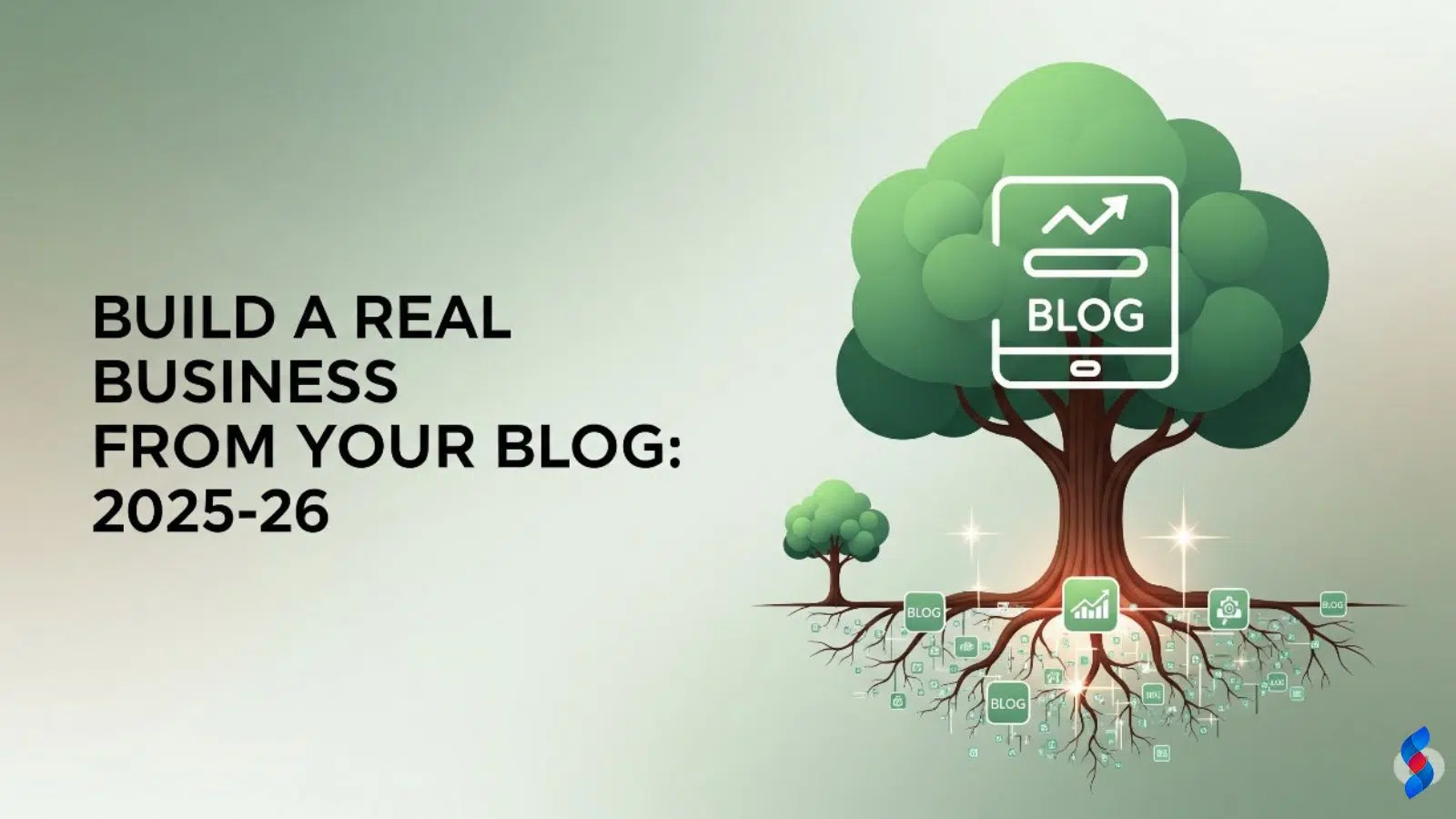
How to Build a Real Business From Your Blog in 2025–26
Content Marketing Secrets: The Amazing 2025 Guide for WordPress
Content Marketing WordPress: The Amazing Ultimate Guide for 2025
Content Pillars: The Amazing Way to Boost WordPress SEO in 2025
SkySol Media
We firmly believe that the internet should be available and accessible to anyone, and are committed to providing a website that is accessible to the widest possible audience, regardless of circumstance and ability.
To fulfill this, we aim to adhere as strictly as possible to the World Wide Web Consortium’s (W3C) Web Content Accessibility Guidelines 2.1 (WCAG 2.1) at the AA level. These guidelines explain how to make web content accessible to people with a wide array of disabilities. Complying with those guidelines helps us ensure that the website is accessible to all people: blind people, people with motor impairments, visual impairment, cognitive disabilities, and more.
This website utilizes various technologies that are meant to make it as accessible as possible at all times. We utilize an accessibility interface that allows persons with specific disabilities to adjust the website’s UI (user interface) and design it to their personal needs.
Additionally, the website utilizes an AI-based application that runs in the background and optimizes its accessibility level constantly. This application remediates the website’s HTML, adapts Its functionality and behavior for screen-readers used by the blind users, and for keyboard functions used by individuals with motor impairments.
If you’ve found a malfunction or have ideas for improvement, we’ll be happy to hear from you. You can reach out to the website’s operators by using the following email
Our website implements the ARIA attributes (Accessible Rich Internet Applications) technique, alongside various different behavioral changes, to ensure blind users visiting with screen-readers are able to read, comprehend, and enjoy the website’s functions. As soon as a user with a screen-reader enters your site, they immediately receive a prompt to enter the Screen-Reader Profile so they can browse and operate your site effectively. Here’s how our website covers some of the most important screen-reader requirements, alongside console screenshots of code examples:
Screen-reader optimization: we run a background process that learns the website’s components from top to bottom, to ensure ongoing compliance even when updating the website. In this process, we provide screen-readers with meaningful data using the ARIA set of attributes. For example, we provide accurate form labels; descriptions for actionable icons (social media icons, search icons, cart icons, etc.); validation guidance for form inputs; element roles such as buttons, menus, modal dialogues (popups), and others. Additionally, the background process scans all the website’s images and provides an accurate and meaningful image-object-recognition-based description as an ALT (alternate text) tag for images that are not described. It will also extract texts that are embedded within the image, using an OCR (optical character recognition) technology. To turn on screen-reader adjustments at any time, users need only to press the Alt+1 keyboard combination. Screen-reader users also get automatic announcements to turn the Screen-reader mode on as soon as they enter the website.
These adjustments are compatible with all popular screen readers, including JAWS and NVDA.
Keyboard navigation optimization: The background process also adjusts the website’s HTML, and adds various behaviors using JavaScript code to make the website operable by the keyboard. This includes the ability to navigate the website using the Tab and Shift+Tab keys, operate dropdowns with the arrow keys, close them with Esc, trigger buttons and links using the Enter key, navigate between radio and checkbox elements using the arrow keys, and fill them in with the Spacebar or Enter key.Additionally, keyboard users will find quick-navigation and content-skip menus, available at any time by clicking Alt+1, or as the first elements of the site while navigating with the keyboard. The background process also handles triggered popups by moving the keyboard focus towards them as soon as they appear, and not allow the focus drift outside it.
Users can also use shortcuts such as “M” (menus), “H” (headings), “F” (forms), “B” (buttons), and “G” (graphics) to jump to specific elements.
We aim to support the widest array of browsers and assistive technologies as possible, so our users can choose the best fitting tools for them, with as few limitations as possible. Therefore, we have worked very hard to be able to support all major systems that comprise over 95% of the user market share including Google Chrome, Mozilla Firefox, Apple Safari, Opera and Microsoft Edge, JAWS and NVDA (screen readers).
Despite our very best efforts to allow anybody to adjust the website to their needs. There may still be pages or sections that are not fully accessible, are in the process of becoming accessible, or are lacking an adequate technological solution to make them accessible. Still, we are continually improving our accessibility, adding, updating and improving its options and features, and developing and adopting new technologies. All this is meant to reach the optimal level of accessibility, following technological advancements. For any assistance, please reach out to