Introduction to Personalization
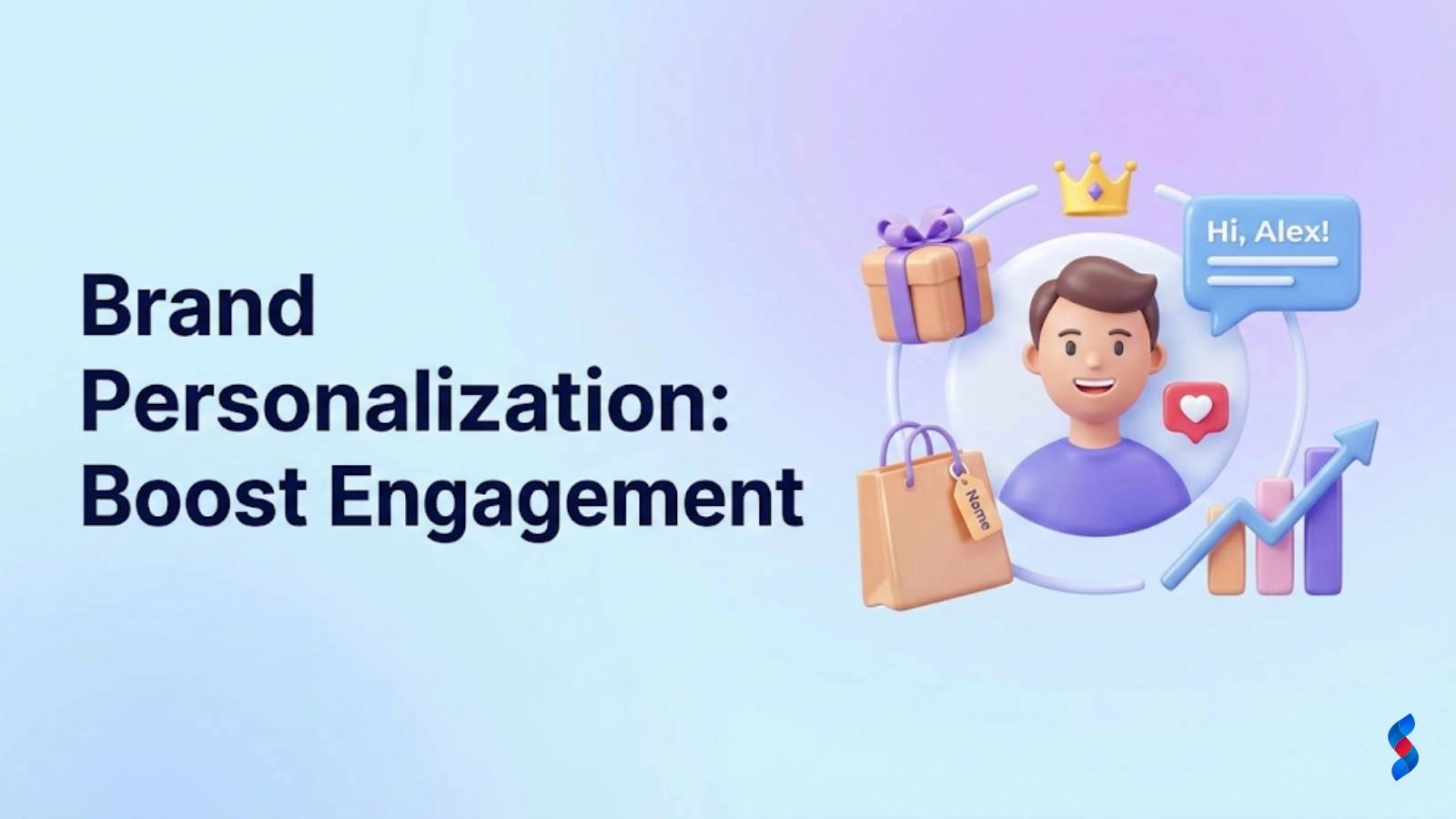
As we step into 2026, the marketing landscape continues to evolve, with personalization in marketing emerging as a crucial element in brand development strategy. The question on every marketer’s mind is, How Can Personalization Transform Your Brand Development Strategy for Better Customer Engagement? Personalization is the process of tailoring marketing efforts to individual customers based on their preferences, behaviors, and demographics. At SkySol Media, we’ve seen firsthand how targeted marketing and personalized customer experience can significantly enhance customer loyalty and brand loyalty. In this comprehensive guide, we will delve into the world of personalization, exploring its importance, strategies, and best practices to help you elevate your brand development strategy and boost customer engagement techniques.
Understanding Customer Engagement
Defining Customer Engagement
Customer engagement refers to the interactions and relationships between a brand and its customers. It encompasses various touchpoints, from initial awareness to post-purchase support. Customer engagement techniques are essential for building strong, lasting relationships with customers, ultimately driving customer loyalty and brand loyalty. We’ve consistently seen that when our clients prioritize customer engagement, they experience a significant improvement in customer retention and brand advocacy.
Why Customer Engagement Matters
Customer engagement is vital because it directly impacts customer relationship management and, consequently, the overall success of a brand. Engaged customers are more likely to become repeat customers, refer friends, and provide valuable feedback. In our experience with clients, a common mistake is underestimating the power of customer engagement techniques. By focusing on personalization and tailored experiences, businesses can foster a community around their brand, leading to increased loyalty and advocacy.
Personalization Strategies for Brand Development
Data Collection and Analysis
The foundation of effective personalization is data collection and analysis. This involves gathering customer data from various sources, such as website interactions, social media, and purchase history. We use this data to create detailed customer profiles, which help in understanding individual preferences and behaviors. For instance, a company might use data analytics to identify frequent buyers and offer them personalized recommendations based on their purchase history.
Content Personalization
Content personalization is another key strategy, where content is tailored to match the interests and needs of individual customers. This can be achieved through dynamic content on websites, personalized email newsletters, or even social media ads. At SkySol Media, we’ve seen that content personalization can significantly increase engagement rates, as customers feel that the brand is speaking directly to them.
Email Marketing Personalization
Email marketing personalization is a powerful tool for delivering targeted messages to customers. By segmenting email lists based on customer data, businesses can send relevant offers and information, increasing the likelihood of conversion. For example, a clothing brand might send personalized discount codes to customers based on their past purchases, enhancing the personalized customer experience.
Building a Personalized Customer Experience
Customer Journey Mapping
Customer journey mapping is a critical process in understanding the various touchpoints a customer has with a brand. By mapping these journeys, businesses can identify areas for improvement and opportunities to introduce personalized elements. This might involve offering dynamic content on the website based on a customer’s location or providing personalized recommendations during the checkout process.
Personalized Recommendations
Personalized recommendations are a key aspect of the personalized customer experience. Using customer data, businesses can suggest products or services that are likely to interest the customer, increasing the chances of a sale. We’ve worked with clients who have seen a significant boost in sales by integrating personalized recommendations into their e-commerce platforms.
Dynamic Content
Dynamic content refers to the ability of a website or application to change its content, layout, or presentation based on the preferences, interests, or behaviors of individual users. This technology allows for real-time personalization, making the personalized customer experience even more engaging and relevant.
Measuring the Impact of Personalization
Key Performance Indicators (KPIs)
To understand the effectiveness of personalization strategies, businesses need to track key performance indicators (KPIs) such as conversion rates, customer retention, and customer satisfaction. At SkySol Media, we help our clients set up and monitor these KPIs to ensure that their personalization efforts are yielding the desired results.
Analytics Tools for Personalization
Analytics tools for personalization are crucial for measuring the impact of personalization strategies. These tools provide insights into customer behavior, helping businesses to refine their personalization efforts over time. By leveraging these tools, companies can ensure that their digital marketing strategies are data-driven and effective.
Overcoming Challenges in Personalization
Data Privacy Concerns
One of the significant challenges in personalization is data privacy concerns. As businesses collect more customer data, they must ensure that this data is protected and used ethically. We advise our clients to be transparent about their data collection practices and to implement robust security measures to safeguard customer information.
Technical Challenges
Technical challenges are another hurdle in implementing personalization strategies. Businesses may face difficulties in integrating personalization technologies with existing systems or in managing the complexity of personalized content delivery. At SkySol Media, we have a team of experts who help our clients overcome these technical challenges, ensuring that their personalization efforts are seamless and effective.
Best Practices for Personalization
Segmenting Your Audience
Segmenting your audience is a best practice in personalization, allowing businesses to tailor their marketing efforts to specific groups based on shared characteristics. This approach ensures that marketing messages are relevant and engaging, leading to better customer engagement techniques and enhanced customer loyalty.
Continuous Testing and Optimization
Continuous testing and optimization are critical for the success of personalization strategies. Businesses should constantly monitor the performance of their personalization efforts, making adjustments as needed to improve results. We encourage our clients to adopt a mindset of continuous improvement, ensuring that their personalization strategies remain effective and relevant.
Case Studies of Successful Personalization
Examples of Personalized Marketing Campaigns
There are numerous examples of successful personalization in marketing, from targeted marketing campaigns that use customer data to offer personalized promotions, to personalized customer experience strategies that tailor the customer journey to individual preferences. At SkySol Media, we’ve worked on several projects where personalized marketing campaigns have led to significant increases in customer engagement and brand loyalty.
Results and Outcomes
The results of successful personalization strategies can be profound, leading to increased customer loyalty, improved customer engagement techniques, and ultimately, enhanced brand development. By leveraging personalization, businesses can differentiate themselves in a crowded market, building strong relationships with their customers that drive long-term growth and success.
Conclusion
In conclusion, How Can Personalization Transform Your Brand Development Strategy for Better Customer Engagement? The answer lies in its ability to create tailored experiences that resonate with individual customers, fostering customer loyalty and brand loyalty. At SkySol Media, we believe that personalization is the future of marketing, offering businesses a powerful tool to elevate their brand development strategy and boost customer engagement techniques. By implementing the strategies and best practices outlined in this guide, businesses can harness the power of personalization to drive growth, improve customer satisfaction, and stay ahead of the competition.
FAQ Section
Frequently Asked Questions About Personalization
1. What is personalization in marketing? Personalization in marketing refers to the process of tailoring marketing efforts to individual customers based on their preferences, behaviors, and demographics.
2. Why is personalization important? Personalization is important because it helps businesses build strong, lasting relationships with their customers, driving customer loyalty and brand loyalty.
3. How can I implement personalization in my marketing strategy? To implement personalization, you should start by collecting and analyzing customer data, then use this data to create personalized content, offers, and experiences for your customers.
Additional Resources for Further Learning
For more information on personalization and its applications in marketing, we recommend exploring the following resources:
- Books: “Personalization in Marketing” by [Author Name]
- Courses: “Personalization Strategies for Marketing” on [Course Platform]
- Webinars: “The Future of Personalization in Marketing” by [Webinar Host]
By continuing to learn and adapt in the ever-evolving landscape of personalization, you can ensure that your brand stays ahead of the curve, offering customers the tailored experiences they crave and driving long-term success for your business.