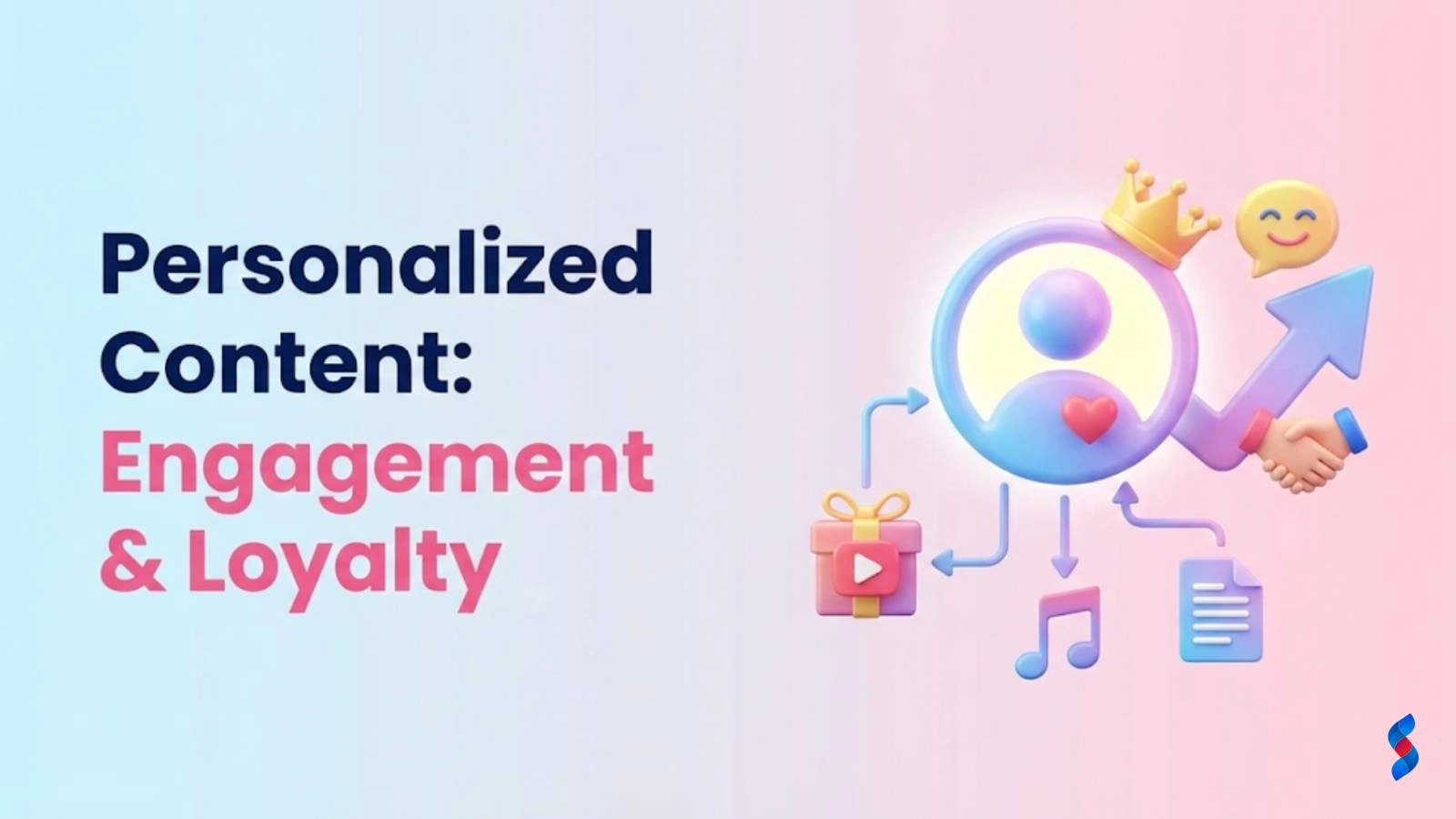
The concept of personalized content experiences has revolutionized the way businesses interact with their customers, and it’s essential to understand how can personalized content experiences boost customer engagement and loyalty. In today’s digital landscape, customers expect a tailored experience that caters to their individual needs and preferences. By leveraging personalized marketing, customer engagement strategies, and loyalty programs, businesses can create a unique and memorable experience that fosters brand loyalty and customer retention. At SkySol Media, we’ve seen firsthand the impact of personalized content experiences on customer engagement and loyalty, and we’re excited to share our expertise with you.
Introduction to Personalized Content Experiences
Personalized content experiences refer to the practice of creating and delivering content that is tailored to an individual customer’s needs, preferences, and behaviors. This approach involves using data and analytics to understand customer behavior, preferences, and interests, and then using that information to create content that resonates with them. The importance of personalization cannot be overstated, as it allows businesses to build a deeper connection with their customers, increase customer engagement, and ultimately drive loyalty and retention.
Definition and Importance of Personalization
Personalization is the process of tailoring a product, service, or experience to meet the individual needs and preferences of a customer. In the context of content experiences, personalization involves using data and analytics to create content that is relevant, timely, and engaging. The importance of personalization lies in its ability to create a unique and memorable experience that sets a business apart from its competitors. By personalizing content experiences, businesses can increase customer satisfaction, loyalty, and retention, while also driving revenue growth and competitiveness.
Benefits of Personalized Content Experiences
The benefits of personalized content experiences are numerous and well-documented. Some of the key benefits include:
- Increased customer engagement and loyalty
- Improved customer satisfaction and retention
- Enhanced brand reputation and competitiveness
- Increased revenue growth and profitability
- Better customer insights and understanding
By leveraging personalized content experiences, businesses can create a win-win situation that benefits both the customer and the business. At SkySol Media, we’ve seen how personalized content experiences can help businesses achieve their goals and drive long-term success.
Understanding Customer Engagement and Loyalty
Customer engagement and loyalty are critical components of any successful business strategy. Customer engagement refers to the interactions and relationships that a business has with its customers, while loyalty refers to the customer’s willingness to continue doing business with a company over time. Understanding the factors that influence customer engagement and loyalty is essential for creating effective personalized content experiences.
The Role of Customer Experience in Engagement
Customer experience plays a critical role in customer engagement, as it encompasses all aspects of a customer’s interaction with a business. A positive customer experience can increase customer engagement, loyalty, and retention, while a negative experience can have the opposite effect. By focusing on creating a seamless and personalized customer experience, businesses can increase customer satisfaction, loyalty, and retention.
Factors Influencing Customer Loyalty
Several factors can influence customer loyalty, including:
- Quality of products or services
- Price and value
- Customer service and support
- Personalization and relevance
- Brand reputation and trust
By understanding these factors and using them to inform personalized content experiences, businesses can increase customer loyalty and retention.
Strategies for Creating Personalized Content Experiences
Creating personalized content experiences requires a strategic approach that involves several key components. Some of the key strategies include:
- Customer journey mapping
- Content personalization techniques
- Marketing automation tools
Customer Journey Mapping
Customer journey mapping involves creating a visual representation of the customer’s journey, from initial awareness to post-purchase support. By mapping the customer journey, businesses can identify areas for personalization and optimization, and create a more seamless and personalized experience.
Content Personalization Techniques
Content personalization techniques involve using data and analytics to create content that is tailored to an individual customer’s needs and preferences. Some common techniques include:
- Segmentation and targeting
- Dynamic content insertion
- Recommendation engines
By using these techniques, businesses can create content that is relevant, timely, and engaging.
Marketing Automation Tools
Marketing automation tools involve using software and technology to automate and optimize marketing processes. Some common tools include:
- Email marketing automation
- Lead scoring and nurturing
- Personalization platforms
By using these tools, businesses can streamline and optimize their marketing efforts, and create more personalized and effective content experiences.
Implementing Personalized Content Experiences
Implementing personalized content experiences requires a structured approach that involves several key components. Some of the key steps include:
- Data collection and analysis
- Content creation and distribution
- Measurement and optimization
Data Collection and Analysis
Data collection and analysis involve gathering and analyzing data on customer behavior, preferences, and interests. This data can be used to inform personalized content experiences, and to measure and optimize their effectiveness.
Content Creation and Distribution
Content creation and distribution involve creating and delivering content that is tailored to an individual customer’s needs and preferences. This can involve using a range of channels and formats, including email, social media, and website content.
Measurement and Optimization
Measurement and optimization involve tracking and analyzing the effectiveness of personalized content experiences, and using that data to inform future improvements and optimizations. By continuously measuring and optimizing personalized content experiences, businesses can ensure that they are delivering the best possible experience for their customers.
Best Practices for Personalized Content Experiences
Best practices for personalized content experiences involve following a set of guidelines and principles that can help ensure success. Some of the key best practices include:
- Segmenting and targeting audiences
- Using customer feedback and preferences
- Ensuring data privacy and security
Segmenting and Targeting Audiences
Segmenting and targeting audiences involve dividing customers into distinct groups based on their needs, preferences, and behaviors. By targeting specific segments with personalized content experiences, businesses can increase customer engagement and loyalty.
Using Customer Feedback and Preferences
Using customer feedback and preferences involves gathering and using customer input to inform personalized content experiences. By using customer feedback and preferences, businesses can create content that is relevant, timely, and engaging.
Ensuring Data Privacy and Security
Ensuring data privacy and security involves protecting customer data and ensuring that it is used in a responsible and ethical manner. By prioritizing data privacy and security, businesses can build trust with their customers and ensure that their personalized content experiences are effective and sustainable.
Common Challenges and Solutions
Common challenges and solutions for personalized content experiences involve addressing a range of issues and obstacles that can arise during implementation. Some of the key challenges and solutions include:
- Overcoming data quality issues
- Addressing the personalization paradox
- Balancing personalization and scalability
Overcoming Data Quality Issues
Overcoming data quality issues involves addressing problems with data accuracy, completeness, and relevance. By using data validation and cleansing techniques, businesses can ensure that their data is high-quality and reliable.
Addressing the Personalization Paradox
Addressing the personalization paradox involves balancing the need for personalization with the risk of overwhelming or annoying customers. By using personalization techniques in a thoughtful and nuanced manner, businesses can create content that is relevant and engaging without being overly intrusive.
Balancing Personalization and Scalability
Balancing personalization and scalability involves finding a balance between creating personalized content experiences and scaling them to reach a large audience. By using marketing automation tools and techniques, businesses can create personalized content experiences that are both effective and scalable.
Case Studies and Success Stories
Case studies and success stories for personalized content experiences involve highlighting the achievements and successes of businesses that have implemented personalized content experiences. Some of the key case studies and success stories include:
- Examples of successful personalized content experiences
- Lessons learned from failed implementations
Examples of Successful Personalized Content Experiences
Examples of successful personalized content experiences involve highlighting the achievements of businesses that have implemented personalized content experiences. For example, a company that uses personalized email marketing to increase customer engagement and loyalty might see a significant increase in sales and revenue.
Lessons Learned from Failed Implementations
Lessons learned from failed implementations involve highlighting the mistakes and challenges that businesses have faced when implementing personalized content experiences. By learning from these mistakes, businesses can avoid common pitfalls and ensure that their personalized content experiences are effective and sustainable.
The Future of Personalized Content Experiences
The future of personalized content experiences involves exploring the emerging trends and technologies that will shape the industry in the years to come. Some of the key trends and technologies include:
- Emerging trends and technologies
- Predictions for the future of personalization
Emerging Trends and Technologies
Emerging trends and technologies for personalized content experiences involve exploring the latest developments and innovations in the industry. Some of the key trends and technologies include artificial intelligence, machine learning, and the Internet of Things.
Predictions for the Future of Personalization
Predictions for the future of personalization involve forecasting the future of the industry and identifying the key trends and technologies that will shape it. By understanding these trends and technologies, businesses can stay ahead of the curve and ensure that their personalized content experiences are effective and sustainable.
Conclusion
In conclusion, personalized content experiences have the power to transform the way businesses interact with their customers, and it’s essential to understand how can personalized content experiences boost customer engagement and loyalty. By leveraging personalized marketing, customer engagement strategies, and loyalty programs, businesses can create a unique and memorable experience that fosters brand loyalty and customer retention. At SkySol Media, we’re confident that personalized content experiences will continue to play a critical role in driving business success, and we’re excited to help businesses achieve their goals.
.
FAQ Section
Frequently Asked Questions About Personalized Content Experiences
Q: What is personalized content experience?
A: Personalized content experience refers to the practice of creating and delivering content that is tailored to an individual customer’s needs, preferences, and behaviors.
Q: Why is personalization important?
A: Personalization is important because it allows businesses to build a deeper connection with their customers, increase customer engagement, and ultimately drive loyalty and retention.
Q: What are some common challenges and solutions for personalized content experiences?
A: Common challenges and solutions for personalized content experiences include overcoming data quality issues, addressing the personalization paradox, and balancing personalization and scalability.
Q: What is the future of personalized content experiences?
A: The future of personalized content experiences involves exploring the emerging trends and technologies that will shape the industry in the years to come, including artificial intelligence, machine learning, and the Internet of Things.
Additional Resources for Further Learning
For more information on personalized content experiences, we recommend checking out the following resources:
- [Resource 1: Personalization Guide]
- [Resource 2: Customer Engagement Strategies]
- [Resource 3: Loyalty Programs and Rewards]