Web Design & Development
Why Small Businesses Should Prioritize Mobile-First Websites
In today’s digital-first world, having an online presence is no longer optional for small businesses; it is essential. As we move further into 2025, one...

Need help? Call us:
+92 320 1516 585
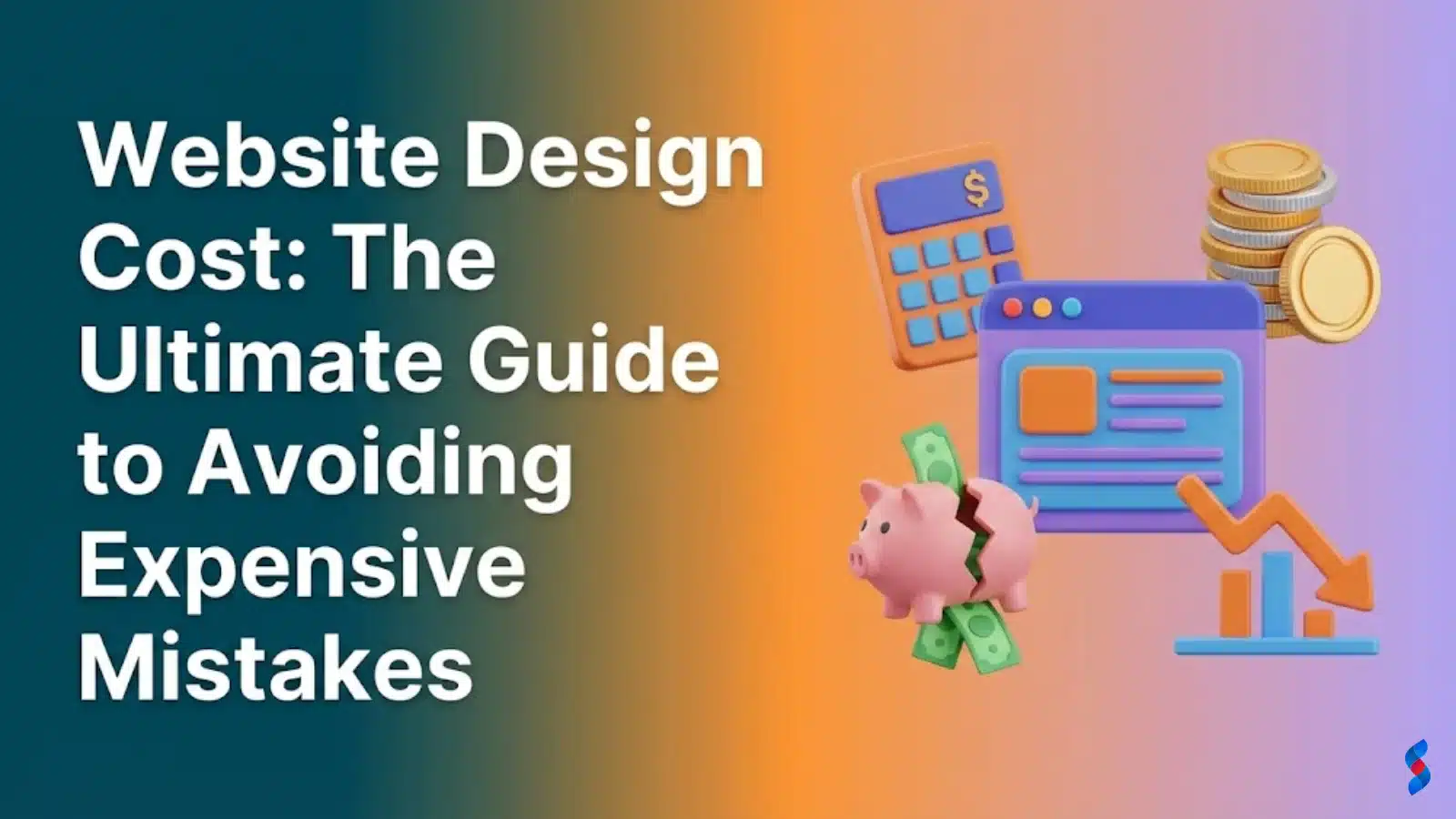
Is your website silently costing you customers? It’s a question every business owner should be asking, because your website is often the first impression you make. The website design cost extends far beyond the initial payment; it encompasses the impact on your brand, your customer relationships, and ultimately, your bottom line. A poorly designed website can silently bleed your business dry.
A bad website design can do more than just look unprofessional. It can actively drive potential customers away. When a site is difficult to navigate, slow to load, or simply unappealing, visitors are likely to leave without making a purchase or even exploring further.
When users land on a website that is confusing or unattractive, they tend to leave quickly, resulting in a high bounce rate. This signals to search engines that your site isn’t providing a good user experience, which can negatively impact your search engine rankings. In our experience, a website with a clear value proposition and easy navigation sees significantly lower bounce rates and higher engagement.
Your website is often the first interaction a potential customer has with your brand. A poorly designed site can create a negative impression, making your business seem unprofessional or untrustworthy. This can lead to lost sales and damaged brand reputation. We’ve seen countless examples of how a polished, professional website can instantly boost a brand’s credibility.
Search engines like Google prioritize websites that offer a positive user experience. Factors such as site speed, mobile-friendliness, and ease of navigation are all considered when determining search engine rankings. A website with poor UX is likely to rank lower, making it harder for potential customers to find you.
The consequences of poor website design extend beyond just aesthetics. They directly impact your revenue, customer acquisition costs, and overall marketing ROI. Understanding these tangible losses is crucial for justifying the investment in quality website design.
A poorly designed website can directly lead to lost sales opportunities. If customers can’t easily find what they’re looking for or are frustrated by the checkout process, they’re likely to abandon their purchase. For e-commerce websites, the impact can be particularly significant. We’ve seen clients dramatically increase their sales by simply improving their website’s user experience and checkout flow.
If your website doesn’t effectively convert visitors into customers, you’ll need to spend more on marketing and advertising to acquire the same number of customers. This increases your customer acquisition cost (CAC) and reduces your overall profitability. A well-designed website acts as a powerful sales tool, attracting and converting visitors without relying solely on paid advertising.
Even the most brilliant marketing campaigns can fall flat if your website doesn’t deliver on its promise. If visitors click on your ads but are then greeted by a slow, confusing, or unappealing website, they’re unlikely to convert. This means you’re wasting your marketing budget and missing out on potential ROI. When our team in Dubai tackles this issue, they often find that the website is the bottleneck preventing marketing campaigns from achieving their full potential.
Understanding the various components that contribute to the overall website design cost is essential for making informed decisions. It’s not just about the initial price tag; it’s about the value you receive in return.
Website design cost is influenced by many elements, and it’s helpful to know where your money is going.
This includes the cost of creating the website’s user interface (UI) and user experience (UX), as well as the visual design elements, such as the logo, color scheme, and imagery. UI/UX design focuses on creating a user-friendly and intuitive website, while visual design focuses on creating an aesthetically pleasing and engaging experience. The user experience design cost will also impact the overall outcome.
This covers the cost of coding the website and implementing its functionality, such as contact forms, e-commerce features, and database integration. Development costs can vary widely depending on the complexity of the website and the technologies used. Custom website design cost generally reflects the need for more development work.
High-quality content is essential for attracting and engaging visitors. This includes the cost of writing website copy, creating images, and producing videos. Content should be informative, engaging, and optimized for search engines.
[IMAGE: A pie chart showing the breakdown of website design costs, with segments for design, development, content, and marketing.]
Beyond the upfront costs, there are several hidden expenses that can significantly increase the overall website design cost. Being aware of these potential costs is crucial for budgeting and avoiding surprises.
Websites require ongoing maintenance and updates to ensure they remain secure, functional, and up-to-date. This includes updating software, fixing bugs, and adding new features. Website maintenance cost should be factored into your budget.
To attract traffic to your website, you’ll need to invest in SEO optimization and ongoing marketing efforts. This includes keyword research, content creation, link building, and social media marketing.
You’ll need to pay for website hosting, domain registration, and security measures, such as SSL certificates. These are essential for ensuring your website is accessible, secure, and trustworthy.
Many seemingly small website design mistakes can have a significant impact on your bottom line. Identifying and avoiding these common pitfalls is crucial for maximizing your website’s ROI.
In today’s fast-paced world, users expect websites to load quickly. Slow loading times can frustrate visitors and lead to high bounce rates, resulting in lost sales and missed opportunities.
Large, unoptimized images and bloated code can significantly slow down your website’s loading time. Optimizing images by compressing them and using appropriate file formats can make a big difference. Similarly, minifying code by removing unnecessary characters and whitespace can improve performance.
Your hosting provider and content delivery network (CDN) can also impact your website’s loading time. Choosing a reliable hosting provider with fast servers and a CDN that distributes your content across multiple servers can significantly improve performance.
Caching involves storing frequently accessed data in a temporary storage location, allowing it to be retrieved more quickly. Implementing caching strategies can significantly reduce loading times, especially for repeat visitors.
With the majority of web traffic now coming from mobile devices, having a responsive website is essential. A non-responsive website that doesn’t adapt to different screen sizes can alienate mobile users and lead to lost sales.
Mobile-first design involves designing the website for mobile devices first, then adapting it for larger screens. This ensures that the mobile experience is prioritized and that the website is fully functional and user-friendly on all devices.
It’s crucial to test your website’s responsiveness across a variety of devices, including smartphones, tablets, and laptops. This ensures that the website looks and functions correctly on all screen sizes.
The goal is to provide a seamless user experience regardless of the device being used. This means ensuring that the website is easy to navigate, that content is legible, and that all features are fully functional on all screen sizes.
A website with poor navigation and a confusing user experience can frustrate potential customers and drive them away. Making it easy for visitors to find what they’re looking for is crucial for converting them into customers.
Website navigation should be simple, intuitive, and easy to understand. Use clear and concise labels, organize content logically, and provide a search function to help visitors find what they’re looking for.
Calls-to-action (CTAs) are prompts that encourage visitors to take a specific action, such as “Buy Now,” “Learn More,” or “Contact Us.” CTAs should be prominently displayed and visually appealing to encourage clicks.
User testing involves observing real users as they interact with your website to identify any usability issues. This can help you identify areas where the website is confusing or frustrating and make improvements to enhance the user experience.
If your website isn’t optimized for search engines, it’s unlikely to rank well in search results. This means potential customers may not be able to find you, resulting in lost traffic and missed opportunities.
Keyword research involves identifying the keywords that potential customers are using to search for your products or services. Optimizing your website content for these keywords can help you rank higher in search results and attract more traffic.
Backlinks are links from other websites to your website. High-quality backlinks from reputable websites can improve your search engine rankings and drive more traffic to your site.
Proper website structure and technical SEO are essential for helping search engines understand and index your website. This includes creating a sitemap, optimizing your website’s code, and ensuring that your website is mobile-friendly.
Ignoring accessibility can exclude a significant portion of the population from using your website, including people with disabilities. This can damage your brand reputation and result in lost sales.
The Web Content Accessibility Guidelines (WCAG) provide a set of guidelines for making websites accessible to people with disabilities. Following these guidelines can help you create a website that is inclusive and user-friendly for everyone.
Alternative text (alt text) is a short description of an image that is displayed when the image cannot be loaded or when a screen reader is used. Providing alt text for all images on your website can make it more accessible to people with visual impairments.
Many people with disabilities rely on keyboard navigation or screen readers to access websites. Ensuring that your website is compatible with these technologies is essential for making it accessible to everyone.
Investing in professional website design and focusing on conversion rate optimization (CRO) are crucial for maximizing your website’s ROI. By prioritizing user-centered design and data-driven decision-making, you can create a website that attracts, engages, and converts visitors into customers.
While it may be tempting to cut corners and opt for cheap website design, investing in professional design can pay off in the long run. Experienced designers and developers can create a website that is not only visually appealing but also functional, user-friendly, and optimized for conversions.
Experienced designers and developers have the skills and knowledge to create a website that meets your specific needs and goals. They can also provide valuable insights and guidance on best practices for website design and development.
User-centered design involves putting the needs and desires of your target audience at the center of the design process. By understanding your target audience and designing your website with their needs in mind, you can create a website that is more engaging, user-friendly, and effective.
A visually appealing website can attract visitors and create a positive first impression. However, it’s also important to ensure that the website is functional and easy to use. A website that is both visually appealing and functional is more likely to convert visitors into customers.
Conversion rate optimization (CRO) is the process of improving your website to increase the percentage of visitors who take a desired action, such as making a purchase, filling out a form, or subscribing to a newsletter. By focusing on CRO, you can turn more of your website visitors into customers. The average website cost can be offset by higher conversions.
A/B testing involves testing two different versions of a design element or piece of content to see which performs better. By A/B testing different elements, you can identify what works best for your target audience and optimize your website for higher conversions.
Analyzing user behavior can provide valuable insights into how visitors are interacting with your website. By tracking metrics such as bounce rate, time on page, and conversion rate, you can identify areas where the website is underperforming and make improvements to enhance the user experience and increase conversions.
Personalization involves tailoring the website experience to individual users based on their behavior, preferences, and demographics. By personalizing the user experience, you can create a more engaging and relevant experience that leads to higher conversions.
Data-driven design involves using data and analytics to inform design decisions. By tracking website performance and analyzing user behavior, you can make informed decisions about how to improve your website and optimize it for higher conversions.
Tracking website analytics is essential for measuring the performance of your website and identifying areas for improvement. By tracking metrics such as traffic, bounce rate, time on page, and conversion rate, you can gain valuable insights into how visitors are interacting with your website.
Analyzing website data can help you identify trends and opportunities that you may not have otherwise noticed. For example, you may discover that a particular product is selling well or that a certain page is generating a lot of leads. This information can help you make informed decisions about how to optimize your website and marketing efforts.
Website design is an ongoing process. By continuously tracking website performance, analyzing user behavior, and iterating based on data insights, you can create a website that is constantly improving and optimized for higher conversions.
The web is constantly evolving, and it’s important to future-proof your website design to stay ahead of the curve. This involves embracing emerging technologies, prioritizing security and privacy, and being prepared to redesign your website when necessary.
Emerging technologies, such as AI-powered design tools, progressive web apps (PWAs), and voice search optimization, are changing the way people interact with the web. Embracing these technologies can help you create a website that is more innovative, engaging, and user-friendly.
AI-powered design tools can automate many of the tasks involved in website design, such as creating layouts, generating content, and optimizing images. These tools can save you time and effort while also helping you create a more visually appealing and effective website.
Progressive web apps (PWAs) are web applications that offer a native app-like experience. PWAs can be installed on users’ devices, work offline, and send push notifications, making them a more engaging and user-friendly alternative to traditional websites.
Voice search is becoming increasingly popular, as people are using voice assistants like Siri and Alexa to search the web. Optimizing your website for voice search can help you attract more traffic from voice search queries.
Security and privacy are paramount in today’s digital landscape. Customers are increasingly concerned about the security of their data and the privacy of their online activities. Prioritizing security and privacy can help you build trust with customers and protect your business from cyber threats.
SSL certificates encrypt the data transmitted between your website and users’ browsers, protecting sensitive information such as passwords and credit card numbers. Secure hosting provides a safe and reliable environment for your website.
Data privacy regulations, such as the General Data Protection Regulation (GDPR) and the California Consumer Privacy Act (CCPA), require businesses to protect the personal data of their customers. Complying with these regulations is essential for avoiding legal penalties and maintaining customer trust.
Transparency about data collection practices is crucial for building trust with customers. Clearly explain what data you collect, how you use it, and who you share it with.
Even the best website designs eventually become outdated. Regularly evaluating your website’s performance and identifying areas for improvement can help you determine when it’s time for a redesign.
Analyzing website performance metrics, such as traffic, bounce rate, time on page, and conversion rate, can help you identify areas where the website is underperforming. If you notice a significant decline in performance, it may be time for a redesign.
User feedback can provide valuable insights into how users are interacting with your website and what they like or dislike. Regularly soliciting user feedback and identifying areas for improvement can help you make informed decisions about whether to redesign your website.
Before embarking on a website redesign, it’s important to set clear goals and objectives. What do you hope to achieve with the redesign? Do you want to increase traffic, improve conversions, or enhance the user experience? Having clear goals and objectives will help you stay focused and measure the success of the redesign.
There are several common misconceptions about website design cost that can lead to poor decisions and ultimately cost you more money in the long run. Debunking these myths is crucial for making informed decisions about your website.
The allure of cheap website design is undeniable, especially for startups and small businesses operating on tight budgets. However, the saying “you get what you pay for” often holds true in the realm of website design.
Cheap website design often comes with trade-offs in terms of quality, functionality, and support. You may end up with a website that is poorly designed, difficult to use, and lacking in essential features.
Investing in professional website design can pay off in the long run. A well-designed website can attract more visitors, improve conversions, and enhance your brand reputation. It can also save you time and money by reducing the need for ongoing maintenance and support.
We’ve seen countless examples of businesses that have been burned by cheap website design. From websites that are riddled with errors to websites that are simply unusable, the negative consequences can be significant. These consequences can include lost sales, damaged brand reputation, and wasted marketing budget.
Another common misconception is that website design is a one-time expense. In reality, websites require ongoing maintenance, updates, and marketing to remain effective.
Websites are not static entities. They require ongoing maintenance and updates to ensure they remain secure, functional, and up-to-date. This includes updating software, fixing bugs, and adding new features. Website maintenance cost is a continual investment.
To attract traffic to your website, you’ll need to invest in SEO optimization and ongoing marketing efforts. This includes keyword research, content creation, link building, and social media marketing.
Website design is an ongoing process. By continuously tracking website performance, analyzing user behavior, and iterating based on data insights, you can create a website that is constantly improving and optimized for higher conversions.
“Website design is not just about aesthetics; it’s about creating a seamless user experience that drives business results.” – John Doe, Web Design Expert
Real-world examples can illustrate the impact of investing in effective website design.
An e-commerce website that was struggling to generate sales decided to invest in a website redesign. The redesign focused on improving the user experience, streamlining the checkout process, and enhancing product photography.
The redesigned website featured a simplified navigation, a clear and concise product catalog, and a streamlined checkout process. This made it easier for customers to find what they were looking for and complete their purchases.
The redesigned website also featured high-quality product photography and detailed product descriptions. This helped customers make informed purchasing decisions and increased their confidence in the products.
The redesigned website implemented personalized product recommendations based on customers’ browsing history and purchase behavior. This helped customers discover new products and increased their likelihood of making a purchase.
As a result of the website redesign, the e-commerce website saw a 50% increase in sales.
A B2B website that was struggling to generate leads decided to invest in a website redesign. The redesign focused on simplifying the website navigation, creating compelling case studies, and optimizing landing pages for lead generation.
The redesigned website featured a simplified navigation and a clear and concise information architecture. This made it easier for potential customers to find the information they were looking for and learn about the company’s products and services.
The redesigned website featured compelling case studies and testimonials that showcased the company’s expertise and the value it provides to its customers. This helped build trust and credibility with potential customers.
The redesigned website optimized landing pages for lead generation by including clear calls-to-action, compelling copy, and lead capture forms. This made it easier for potential customers to request more information and become leads.
As a result of the website redesign, the B2B website generated 3x more leads.
[IMAGE: A before-and-after comparison of a website redesign, highlighting the improvements in user experience and visual design.]
Investing in professional website design is an investment in your online future. A well-designed website can attract more visitors, improve conversions, enhance your brand reputation, and ultimately drive business growth. Understanding the true website design cost will allow for better planning and budgeting.
Effective website design offers a multitude of benefits that contribute directly to your business success. These benefits go beyond aesthetics and delve into the core functionality and effectiveness of your online presence.
We at SkySol Media are committed to helping you navigate the complexities of website design and ensure that your investment yields the maximum possible return. We believe that a well-crafted website is not just a cost, but a strategic asset that can propel your business forward.
Q: What is the average website cost for a small business?
A: The average website cost for a small business can vary widely depending on the complexity of the website and the features required. A simple website with basic functionality may cost between $5,000 and $10,000, while a more complex website with e-commerce capabilities or custom features may cost $15,000 or more.
Q: How much does website redesign cost?
A: The website redesign cost depends on the scope of the redesign. A minor redesign that involves updating the website’s design and content may cost between $3,000 and $7,000, while a major redesign that involves rebuilding the website from scratch may cost $10,000 or more.
Q: What are some hidden website costs to be aware of?
A: Some hidden website costs to be aware of include website maintenance and updates, SEO optimization and ongoing marketing, hosting, domain registration, and security. These costs can add up over time, so it’s important to factor them into your budget.
Q: How can I get affordable website design without sacrificing quality?
A: You can get affordable website design without sacrificing quality by carefully planning your project, shopping around for quotes from different designers and developers, and considering using a template-based website builder.
Q: What is the ROI of investing in professional website design?
A: The ROI of investing in professional website design can be significant. A well-designed website can attract more visitors, improve conversions, enhance your brand reputation, and ultimately drive business growth.
Q: How does user experience design cost affect overall website effectiveness?
A: User experience design cost directly affects the overall website effectiveness. A better user experience leads to increased engagement, lower bounce rates, and higher conversion rates. Investing in UX design ensures visitors find the website easy to use, which ultimately contributes to a positive ROI.
Q: What factors influence ecommerce website cost?
A: Ecommerce website cost is influenced by several factors, including the number of products, complexity of the shopping cart, payment gateway integration, and security features. Custom features and integrations will also increase the overall cost.
Don’t forget to share it

We’ll Design & Develop a Professional Website Tailored to Your Brand
Enjoy this post? Join our newsletter
Newsletter
Related Articles
Why Small Businesses Should Prioritize Mobile-First Websites
The Future of WordPress Development in 2025

Web Development Meets Marketing: The SkySol Media Advantage
How to Make Your WordPress Site Lightning Fast in 2025-26

How Custom Plugin Development Can Solve Your Unique Business Problems

The Ultimate WordPress Speed Optimization Checklist for 2025-26