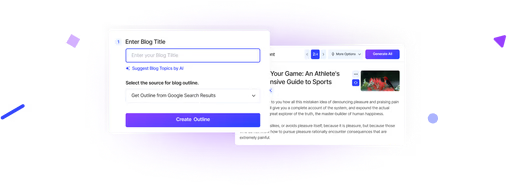
Here are five AI practical applications that you can start using today to boost your productivity and improve your business. In 2026, AI practical applications are transforming the way we work, learn, and interact with the world. From writing assistants to personalized learning platforms, AI practical applications are streamlining tasks and unlocking new possibilities. Let’s dive into some of the most compelling examples.
1. The AI Writing Assistant: Unleash Your Inner Author
The Blank Page Problem: A Story We All Know
We’ve all been there: staring at a blank screen, cursor blinking mockingly, the deadline looming. Maybe you’re trying to craft the perfect email, write a compelling blog post, or create an engaging presentation. The words just don’t seem to come, and the harder you try, the more elusive they become. This experience of writer’s block or struggling to articulate your thoughts clearly is universally frustrating, a hurdle that can derail even the most seasoned professionals. It’s a familiar struggle that highlights the inherent challenges of effective communication.
AI to the Rescue: Crafting Compelling Content
✅ Enter the AI writing assistant, a game-changer for anyone who needs to produce written content. Tools like Jasper, Copy.ai, and even ChatGPT are revolutionizing the way we approach writing. These platforms act as collaborative partners, helping to generate ideas, draft content, and refine your writing to perfection. They learn from vast datasets, enabling them to understand language nuances and adapt to various writing styles. Remember, these aren’t meant to replace human creativity but to augment it, providing a springboard for your ideas and helping you overcome creative blocks.
Beyond Blog Posts: Everyday Writing Applications
💡 The beauty of AI writing assistants lies in their versatility. While they’re excellent for creating blog posts and marketing materials, their utility extends far beyond these applications. Think about crafting professional emails that grab attention and convey your message effectively. Consider creating compelling presentations that engage your audience and leave a lasting impression. Or perhaps you need to create engaging social media posts that resonate with your followers. Even generating comprehensive reports becomes easier with AI‘s assistance. We here at SkySol Media often use these tools to expedite our internal communications, and it has vastly improved our efficiency.
Expert Tip: Prompt Engineering for Best Results
➡️ To get the most out of your AI writing assistant, mastering the art of prompt engineering is crucial. A well-crafted prompt provides the AI with clear instructions and context, leading to more relevant and high-quality output. A bad prompt is too vague, like “Write something about marketing.” A good prompt is specific: “Write a blog post introduction about the benefits of AI-powered marketing automation for small businesses, focusing on increased efficiency and cost savings.” Experiment with different prompts and iterate on your approach to unlock the full potential of these powerful tools. Remember, the artificial intelligence uses the data you provide to generate content, so the more specific you are, the better the results will be.
2. Personalized Learning Platforms: Education Reimagined
The One-Size-Fits-All Frustration: A Student’s Perspective
Imagine sitting in a classroom, surrounded by classmates, listening to a lecture that feels disconnected from your individual needs. Some students grasp the concepts immediately, while others struggle to keep up. The teacher, bound by the constraints of a fixed curriculum and limited time, can only cater to the average learner. This “one-size-fits-all” approach to education often leaves students feeling either bored and unchallenged or overwhelmed and left behind. It’s a frustrating experience that highlights the need for a more personalized and adaptive learning environment.
AI as a Personalized Tutor: Tailoring Education to Individual Needs
✅ Thankfully, AI is revolutionizing education through personalized learning platforms. Platforms like Khan Academy, Duolingo, and Coursera are leveraging AI to adapt to individual learning styles and paces. These platforms use sophisticated algorithms to identify knowledge gaps, track progress, and provide targeted instruction. They offer customized learning paths, interactive exercises, and personalized feedback, ensuring that each student receives the support they need to succeed. This shift towards personalized learning promises to unlock the full potential of every student, regardless of their background or learning style. AI in education is not about replacing teachers, but about empowering them with tools to better serve their students.
From K-12 to Lifelong Learning: AI Across the Educational Spectrum
💡 The impact of AI in education extends far beyond traditional classrooms. From elementary schools to universities and professional development programs, AI is transforming the way we learn. In K-12 education, AI-powered tools are helping teachers personalize instruction, assess student progress, and provide targeted interventions. In higher education, AI is enabling personalized course recommendations, adaptive assessments, and automated grading. And in professional development, AI is facilitating lifelong learning by providing access to personalized training programs and skill-building resources. We have seen this firsthand with many of our clients here in Lahore who have used AI personalized learning platforms to upskill their employees.
Case Study: Boosting Engagement and Outcomes with AI
➡️ Consider the example of a school district that implemented an AI-powered personalized learning platform in its middle schools. By analyzing student performance data and adapting the curriculum to individual needs, the platform helped to boost student engagement and improve academic outcomes. The district saw a significant increase in student test scores, a reduction in failure rates, and a more positive learning environment. This success story demonstrates the transformative potential of AI in education, highlighting its ability to create a more equitable and effective learning experience for all students. The ability of AI personalized learning to track student progress and provide real-time feedback is invaluable for educators.
3. AI-Powered Customer Service: Delighting Your Clients
The Customer Service Nightmare: A Call Center Horror Story
Picture this: you’re stuck on hold with a customer service representative, listening to elevator music for what feels like an eternity. When you finally get through, you have to repeat your issue multiple times to different agents, each of whom seems unable to help. You’re transferred from department to department, your frustration growing with each passing minute. This frustrating experience highlights the common pain points of traditional customer service, including long wait times, unhelpful agents, and repetitive questioning. It’s a scenario that can damage customer loyalty and harm a company’s reputation.
Chatbots and Virtual Assistants: Providing Instant Support
✅ AI-powered chatbots and virtual assistants are emerging as a powerful solution to these customer service challenges. These intelligent tools can handle basic inquiries, provide instant support, and escalate complex issues to human agents, freeing them up to focus on more complex and sensitive issues. Chatbots can answer frequently asked questions, provide product information, and guide customers through troubleshooting steps, all without requiring human intervention. They operate 24/7, ensuring that customers can get the help they need, whenever they need it. The use of AI customer service solutions leads to increased customer satisfaction and reduced operational costs.
Beyond Answering Questions: Proactive Customer Engagement
💡 The capabilities of AI in customer service extend far beyond simply answering questions. AI can be used to proactively engage with customers, offering personalized recommendations, anticipating their needs, and resolving issues before they even arise. For example, an AI-powered system can analyze customer data to identify patterns and predict when a customer is likely to experience a problem. The system can then proactively reach out to the customer, offering assistance and resolving the issue before it escalates. This proactive approach to customer service builds trust, fosters loyalty, and enhances the overall customer experience. Many of our clients use real-world AI solutions to engage with their customers on social media, providing personalized recommendations and responding to inquiries in real-time.
Statistic Alert: The ROI of AI in Customer Service
➡️ According to a recent study, companies that integrate AI chatbots into their customer service workflows see an average of 25% reduction in operational costs. This cost savings comes from a variety of factors, including reduced labor costs, improved agent productivity, and decreased call volumes. In addition to cost savings, AI can also drive revenue growth by improving customer satisfaction, increasing customer retention, and generating new sales opportunities. By providing personalized and efficient customer service, AI can help businesses build stronger relationships with their customers and achieve a competitive advantage. The AI solutions are providing a tangible ROI for businesses of all sizes.
4. Task Automation Tools: Streamlining Your Workday
The Tedium Trap: Drowning in Repetitive Tasks
We’ve all experienced the feeling of being bogged down by mundane and repetitive tasks that drain our time and energy. Whether it’s manually entering data into spreadsheets, sorting through emails, or scheduling social media posts, these tasks can consume a significant portion of our workday, leaving us feeling overwhelmed and unproductive. These tasks often feel like a necessary evil, but they prevent us from focusing on more strategic and creative work that can truly move the needle.
AI as Your Digital Assistant: Automating the Mundane
✅ AI-powered task automation tools like Zapier, IFTTT, and Microsoft Power Automate are designed to streamline your workday and free you from the tedium of repetitive tasks. These tools act as your digital assistant, automating processes across different applications and platforms. You can use them to connect various apps and create automated workflows that trigger actions based on specific events. For example, you can automatically save email attachments to a cloud storage service, post updates to social media when a new blog post is published, or create a new task in your project management tool whenever a new lead is generated. AI automation frees up valuable time and energy, allowing you to focus on more important and strategic tasks.
Real-World Examples: Transforming Business Operations
💡 Businesses are using AI to automate a wide range of processes, transforming their operations and driving efficiency. For example, companies are using AI to automate invoice processing, extracting data from invoices and automatically entering it into their accounting systems. AI is also being used for lead generation, identifying potential customers and automatically sending them personalized email campaigns. And in customer onboarding, AI is used to guide new customers through the onboarding process, providing them with personalized instructions and support. These AI examples demonstrate the transformative potential of automation across various business functions.
Expert Quote: The Future of Work is Automation
➡️
“Automation is not about replacing humans, but about augmenting their capabilities and freeing them from mundane tasks so they can focus on more strategic and creative work.” – Thomas H. Davenport
This quote perfectly encapsulates the potential of AI automation to transform the way we work. By automating repetitive tasks, AI frees up humans to focus on more complex and creative work, leading to increased productivity, innovation, and job satisfaction. The future of work is not about humans versus machines, but about humans and machines working together to achieve common goals.
5. AI-Driven Data Analysis: Uncovering Hidden Insights
The Data Deluge: Making Sense of the Information Overload
In today’s data-rich environment, businesses are drowning in information. From website analytics to customer data to market research reports, the sheer volume of data can be overwhelming. The challenge lies in extracting meaningful insights from this data and using them to make informed decisions. Without the right tools and techniques, data can become a burden rather than an asset.
AI as Your Data Detective: Uncovering Hidden Patterns
✅ AI-powered data analysis tools like Tableau, Google Analytics, and IBM Watson are designed to help businesses make sense of their data and uncover hidden patterns. These tools can automatically analyze large datasets, identify trends and anomalies, and generate actionable insights. They use machine learning applications to identify relationships between variables, predict future outcomes, and recommend optimal courses of action. AI acts as your data detective, sifting through the noise to reveal the valuable insights hidden within your data.
Beyond Reporting: Predictive Analytics and Forecasting
💡 The power of AI in data analysis extends far beyond simple reporting. AI can be used for predictive analytics, forecasting future trends, and making data-driven decisions. For example, retailers can use AI to predict which products are likely to be in high demand, allowing them to optimize their inventory and avoid stockouts. Financial institutions can use AI to detect fraudulent transactions, preventing financial losses and protecting their customers. And healthcare providers can use AI to predict which patients are at risk of developing certain diseases, allowing them to intervene early and improve patient outcomes. We often recommend AI for productivity gains in data-heavy environments.
HTML Table: Comparing AI Data Analysis Tools
➡️ Here’s a comparison table of some popular AI data analysis tools:
| Tool |
Key Features |
Pricing |
Target Audience |
| Tableau |
Visual data exploration, interactive dashboards |
Subscription-based |
Business analysts, data scientists |
| Google Analytics |
Website traffic analysis, user behavior tracking |
Free (with paid upgrades) |
Website owners, marketers |
| IBM Watson |
Natural language processing, machine learning |
Custom pricing |
Enterprises, researchers |
This table provides a high-level overview of the key features, pricing, and target audience for each tool, helping you to choose the right tool for your specific needs. Each of these tools has a different use-case and a different expertise level required to use them.
Conclusion: Embracing the Power of AI
A Recap of the Top AI Practical Applications
In summary, we’ve explored five AI practical applications that are transforming the way we live and work: AI writing assistants that unleash your inner author, personalized learning platforms that reimagine education, AI-powered customer service that delights your clients, task automation tools that streamline your workday, and AI-driven data analysis that uncovers hidden insights. These AI in business applications are just the tip of the iceberg, and the possibilities are endless.
The Future is Now: Taking the First Step
The future of AI is here, and it’s time to embrace the power of these transformative technologies. Start experimenting with AI tools in your own life and business, and discover how they can help you to achieve your goals. Don’t be afraid to explore new possibilities and challenge the status quo. The real-world AI is improving and evolving at a rapid pace, so staying informed and adapting to change is critical for success.
FAQ Section
Q: What are some practical applications of AI in business?
A: AI in business has many practical applications. Some include automating customer service with chatbots, using AI for data analysis to identify trends and insights, and leveraging AI-powered writing assistants to generate content. Other applications include personalized marketing campaigns and improved supply chain management.
Q: How can AI improve productivity in the workplace?
A: AI for productivity can be achieved by automating repetitive tasks, freeing up employees to focus on more strategic work. AI tools can also analyze data to identify inefficiencies and optimize workflows, leading to significant gains in productivity. Additionally, AI can provide personalized recommendations and support to employees, helping them to work more effectively.
Q: Is AI going to replace human workers?
A: While AI automation will undoubtedly transform the job market, it’s unlikely to completely replace human workers. Instead, AI is more likely to augment human capabilities, freeing people from mundane tasks and allowing them to focus on more creative and strategic work. Many new jobs will also emerge as a result of AI development and implementation.
Q: How can I get started with AI in my business?
A: Start by identifying specific areas where AI can address your business challenges. Research available AI solutions and choose tools that align with your needs and budget. Begin with small-scale pilot projects to test the effectiveness of AI before implementing it across the entire organization. Consider partnering with an AI consultant like SkySol Media to guide you through the process.
Q: What are the ethical considerations of using AI?
A: Ethical considerations of using AI include ensuring fairness and avoiding bias in algorithms, protecting data privacy, and maintaining transparency in AI decision-making processes. It’s crucial to develop and use AI responsibly, with a focus on human well-being and societal benefit.