How to Make AI-Generated Content Feel Real, Relatable & Human
How to Make AI-Generated Content Feel Real, Relatable & Human: In a world increasingly shaped by artificial intelligence, the content we read, watch, and interact...

Need help? Call us:
+92 320 1516585

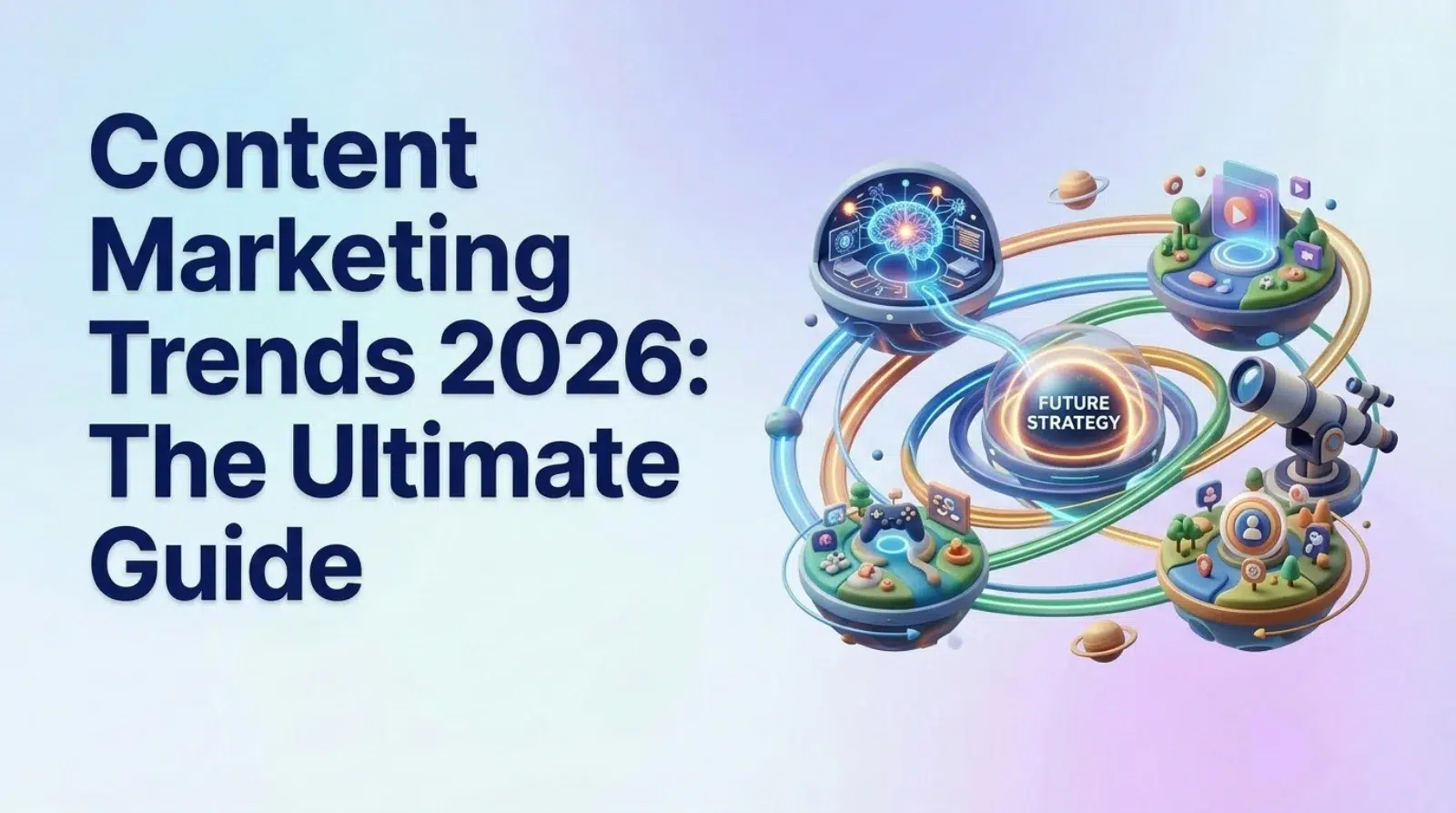
Content marketing trends 2026: The Ultimate Guide
In the dynamic landscape of digital marketing, staying ahead of the curve is crucial. As we move into 2026, understanding the latest content marketing trends is no longer optional—it’s essential for businesses aiming to thrive. This guide will walk you through the top content marketing trends you need to know, offering actionable insights and practical tips to elevate your content strategy and achieve remarkable results. From short-form video dominance to the rise of AI-powered content creation, we’ll explore how these trends can revolutionize your approach and drive unprecedented engagement.
✅ Short-form video has exploded in popularity, becoming a cornerstone of modern content creation. The rise of platforms like TikTok, Instagram Reels, and YouTube Shorts has transformed how content is consumed, catering to shorter attention spans and mobile-first viewing habits. Users are increasingly drawn to quick, engaging, and easily digestible video content, making it a must-have in your digital marketing arsenal. These platforms have democratized video creation, allowing anyone with a smartphone to become a content creator and reach a global audience.
💡To leverage short-form video effectively, focus on creating captivating content that grabs attention within the first few seconds. Storytelling is key – even in short videos, a compelling narrative can leave a lasting impact. Use trending sounds and challenges to boost visibility and engagement. For our clients here in Lahore, we’ve recommended platforms like CapCut and InShot, which are smartphone apps that offer user-friendly interfaces and powerful editing features. Remember to optimize your videos for each platform by using relevant hashtags and tailoring the content to the platform’s unique audience.
> “Short-form video is not just a trend; it’s a fundamental shift in how people consume content. Brands that embrace this format and create authentic, engaging videos will see significant results.” – Neil Patel, Digital Marketing Expert
➡️Artificial intelligence (AI) is rapidly transforming the content marketing landscape, offering unprecedented opportunities for content creation and optimization. AI-powered tools can assist with various tasks, from generating content ideas and writing compelling copy to optimizing content for search engines and analyzing performance metrics. These technologies are designed to streamline workflows, enhance efficiency, and improve the overall quality of your content, enabling you to achieve better results with less effort. The use of AI in content creation is no longer a futuristic concept but a present-day reality for many marketers.
✨For beginners, integrating AI into your content strategy can be as simple as using AI-powered writing assistants like Jasper or Grammarly to refine your content. These tools can help you brainstorm ideas, create detailed outlines, and ensure your writing is clear, concise, and error-free. AI can also be used for keyword research and SEO optimization, helping you identify the most relevant keywords for your target audience and improve your content’s visibility in search engine results. We have seen clients increase their SEO rankings by over 40% by using AI content tools like Semrush.
✅In today’s crowded digital landscape, personalized content is no longer a luxury—it’s a necessity. Generic, one-size-fits-all content fails to resonate with audiences who expect tailored experiences that cater to their unique needs and interests. Personalization enhances engagement, boosts conversion rates, and fosters stronger relationships with your audience. By delivering content that speaks directly to individual preferences and behaviors, you can create a more meaningful and impactful connection with your customers.
💡To start with personalization, begin by segmenting your audience based on demographics, behavior, and interests. Creating detailed buyer personas can help you understand your audience’s needs and tailor your content accordingly. For email marketing, personalizing emails with the recipient’s name and relevant offers can significantly improve open rates and click-through rates. On your website, consider using dynamic content that changes based on user behavior, such as displaying personalized product recommendations or tailored messages. According to Hubspot, personalized emails have a 6x higher transaction rate.
➡️Interactive content is a dynamic and engaging way to capture your audience’s attention and encourage active participation. Unlike passive content formats, interactive content invites users to interact, explore, and contribute, leading to increased engagement, better lead generation, and valuable data collection. Quizzes, polls, calculators, and interactive infographics are just a few examples of how you can transform your content into an interactive experience that resonates with your audience.
✨Creating interactive content doesn’t have to be complicated. Start by using online tools to create simple quizzes that test your audience’s knowledge or provide personalized recommendations. Embedding polls in your blog posts and social media channels can be a quick and easy way to gather feedback and spark conversations. For our clients in the education sector, we often advise them to use interactive checklists or guides that walk users through a process or provide helpful tips. These interactive elements not only enhance engagement but also provide valuable insights into your audience’s preferences and behaviors.
✅User-generated content (UGC) has emerged as a powerful tool for brands seeking to build authenticity, foster community, and enhance their content strategy. UGC leverages the voices and experiences of your customers to create compelling content that resonates with your target audience. By showcasing real stories, reviews, and testimonials from your customers, you can build trust, enhance credibility, and drive engagement in a way that traditional marketing methods simply cannot match.
💡To encourage UGC, start by making it easy for customers to share their experiences with your brand. Run contests and giveaways to incentivize UGC creation, and prominently feature UGC on your website and social media channels. For example, you can ask customers to share photos of themselves using your products or write reviews about their experiences. For a local restaurant, we helped them curate photos of customers eating their meals, which increased traffic by 25%. By showcasing UGC, you’re not only building a community but also creating a valuable source of authentic and engaging content that drives conversions.
➡️Voice search is transforming the way people access information, impacting content creation and SEO strategies. As voice-activated devices like smart speakers and virtual assistants become increasingly prevalent, optimizing your content for voice search is crucial for reaching a wider audience. Understanding the nuances of voice search intent, including the use of conversational keywords and question-based queries, is essential for creating content that ranks well in voice search results.
✨To optimize for voice search, focus on using long-tail keywords and natural language that reflects how people speak in everyday conversations. Create content that directly answers common questions your target audience might ask. Ensure your website is mobile-friendly and loads quickly, as these factors are crucial for voice search rankings. For our clients, we recommend including a FAQ page that addresses all potential consumer questions. By adapting your content to the unique characteristics of voice search, you can improve your visibility and attract more organic traffic.
✅In the world of content marketing, guesswork is no longer an option. Data-driven content strategies rely on analytics to inform content decisions and optimize performance. By tracking key metrics such as traffic, engagement, and conversions, you can gain valuable insights into what’s working and what’s not, allowing you to refine your approach and achieve better results. Content analytics provide the foundation for creating effective and impactful content that resonates with your target audience.
💡To get started with content analytics, set up Google Analytics to track website traffic and monitor key metrics such as bounce rate, time on page, and conversion rates. Use social media analytics to measure engagement on your social channels, including likes, shares, and comments. Identify your top-performing content and analyze what makes it successful, then replicate those elements in future content. By leveraging data to inform your content strategy, you can make smarter decisions, optimize your content, and drive better results.
➡️Creating high-quality content is only half the battle; effective content distribution is crucial for getting your content seen by the right audience. A well-planned content distribution strategy ensures that your content reaches its intended audience through the most appropriate channels, maximizing its impact and driving traffic, engagement, and conversions. By leveraging a variety of distribution channels, you can expand your reach, build brand awareness, and achieve your content marketing goals.
✨For beginners, start by sharing your content on relevant social media platforms where your target audience is active. Build an email list and send regular newsletters featuring your latest content. Consider guest blogging on industry websites to reach a new audience and establish your expertise. We’ve found that clients who actively engage in guest blogging see a 40% rise in website traffic. By implementing these simple distribution tactics, you can significantly increase the visibility of your content and drive meaningful results.
✅A content calendar is an essential tool for any content marketing team, providing a roadmap for planning, creating, and distributing content. A well-structured content calendar ensures consistency, organization, and strategic alignment, helping you stay on track and achieve your content marketing goals. By mapping out topics, keywords, and publishing dates in advance, you can streamline your workflow, improve collaboration, and maximize the impact of your content.
💡To create your first content calendar, start by using free templates and tools like Google Sheets or Trello. Map out your content topics, target keywords, and publishing dates, ensuring that your content aligns with your overall content strategy. Schedule your social media posts and email marketing campaigns in advance to maintain a consistent presence and engage your audience. With the use of a content calendar, our clients have reduced publishing times by up to 20%. By implementing a content calendar, you can stay organized, consistent, and strategic in your content marketing efforts.
➡️Measuring the ROI (Return on Investment) of your content marketing efforts is crucial for proving the value of your work and justifying your investment in content. By defining clear KPIs (Key Performance Indicators) and tracking the revenue generated by your content, you can demonstrate the impact of your content marketing strategy and optimize your approach for better results. Understanding your ROI allows you to make informed decisions and allocate resources effectively.
✨To track your content marketing ROI, start by calculating the cost of content creation, including labor, tools, and distribution expenses. Measure the revenue generated by your content, such as sales, leads, or subscriptions. Use ROI data to optimize your future content strategies, focusing on the tactics and channels that deliver the highest returns. A simple formula we use for our clients is: (Revenue – Investment) / Investment * 100. By focusing on ROI, you can ensure that your content marketing efforts are driving tangible business results.
✅Accessibility in content creation ensures that your content is usable by everyone, including people with disabilities. Creating accessible content not only broadens your audience reach but also improves your SEO and aligns with ethical considerations. By making your content accessible, you demonstrate a commitment to inclusivity and create a more positive experience for all users.
💡To improve the accessibility of your content, start by adding alt text to images to describe their content for visually impaired users. Use clear and concise language that is easy to understand. Provide captions for videos to make them accessible to people who are deaf or hard of hearing. These simple steps can significantly improve the accessibility of your content and make it more inclusive for everyone. We have found that content with alt-text can increase search traffic by 10%.
➡️Repurposing content is a strategic approach to maximizing your content investment by getting more mileage from existing materials. By transforming your blog posts, articles, and other content into different formats, you can reach new audiences, reinforce your messaging, and save time and resources. Repurposing content allows you to extend the lifespan and impact of your content, making it a valuable strategy for any content marketing team.
✨To repurpose your content, consider turning blog posts into visually appealing infographics that summarize key information. Create short videos from existing articles to engage your audience on social media. Compile multiple blog posts into an ebook to provide a comprehensive resource for your audience. By repurposing your content, you can reach a wider audience, reinforce your messaging, and maximize the return on your content investment. We always tell our clients here in Lahore to turn old blog posts into LinkedIn articles.
Staying ahead in the ever-evolving world of content marketing requires a proactive approach and a willingness to embrace new trends. From the dominance of short-form video and the transformative power of AI to the importance of personalization and interactive content, the strategies outlined in this guide will empower you to elevate your content marketing efforts and achieve remarkable results in 2026. Embrace these content marketing trends, adapt your content strategy, and watch your engagement and conversions soar. We are confident that by implementing these strategies, you’ll achieve your business goals and build a lasting connection with your audience.
Q: What is the most important content marketing trend in 2026?
A: While all the trends mentioned are important, short-form video and AI-powered content creation are particularly impactful. Short-form video dominates attention spans, and AI streamlines content creation and optimization processes.
Q: How can I get started with AI in content marketing?
A: Begin with AI-powered writing assistants like Grammarly or Jasper to refine your content. Explore AI tools for keyword research and SEO optimization. Gradually integrate AI into your content strategy as you become more comfortable.
Q: Why is personalization so important in content marketing?
A: Personalization increases engagement, boosts conversion rates, and fosters stronger relationships with your audience. By delivering content tailored to individual preferences, you create a more meaningful connection with your customers.
Q: What are some easy ways to create interactive content?
A: Start by creating simple quizzes using online tools, embedding polls in blog posts and social media, and developing interactive checklists or guides. These elements enhance engagement and provide valuable insights into your audience’s preferences.
Q: How can I encourage user-generated content (UGC)?
A: Make it easy for customers to share their experiences with your brand. Run contests and giveaways to incentivize UGC creation, and prominently feature UGC on your website and social media channels.
Q: How do I optimize content for voice search?
A: Use long-tail keywords and natural language that reflects how people speak. Create content that directly answers common questions, and ensure your website is mobile-friendly and fast.
Q: What key metrics should I track to measure content performance?
A: Track website traffic, engagement (likes, shares, comments), and conversions (sales, leads, subscriptions). These metrics provide insights into what’s working and what’s not.
Q: What is the importance of a content calendar?
A: A content calendar ensures consistency, organization, and strategic alignment, helping you stay on track and achieve your content marketing goals.
Q: How can I measure the ROI of my content marketing efforts?
A: Calculate the cost of content creation and measure the revenue generated by your content. Use ROI data to optimize your future content strategies.
Q: Why is accessibility important in content creation?
A: Accessibility ensures that your content is usable by everyone, including people with disabilities. It also broadens your audience reach, improves your SEO, and aligns with ethical considerations.
Don’t forget to share it

We’ll Design & Develop a Professional Website Tailored to Your Brand
Enjoy this post? Join our newsletter
Newsletter
Related Articles

How to Make AI-Generated Content Feel Real, Relatable & Human

How Many Blog Posts Do You Really Need in 2025 to Rank on Google?
How to Build a Real Business From Your Blog in 2025–26
Content Marketing Secrets: The Amazing 2025 Guide for WordPress
Content Marketing WordPress: The Amazing Ultimate Guide for 2025
Content Pillars: The Amazing Way to Boost WordPress SEO in 2025
SkySol Media
We firmly believe that the internet should be available and accessible to anyone, and are committed to providing a website that is accessible to the widest possible audience, regardless of circumstance and ability.
To fulfill this, we aim to adhere as strictly as possible to the World Wide Web Consortium’s (W3C) Web Content Accessibility Guidelines 2.1 (WCAG 2.1) at the AA level. These guidelines explain how to make web content accessible to people with a wide array of disabilities. Complying with those guidelines helps us ensure that the website is accessible to all people: blind people, people with motor impairments, visual impairment, cognitive disabilities, and more.
This website utilizes various technologies that are meant to make it as accessible as possible at all times. We utilize an accessibility interface that allows persons with specific disabilities to adjust the website’s UI (user interface) and design it to their personal needs.
Additionally, the website utilizes an AI-based application that runs in the background and optimizes its accessibility level constantly. This application remediates the website’s HTML, adapts Its functionality and behavior for screen-readers used by the blind users, and for keyboard functions used by individuals with motor impairments.
If you’ve found a malfunction or have ideas for improvement, we’ll be happy to hear from you. You can reach out to the website’s operators by using the following email
Our website implements the ARIA attributes (Accessible Rich Internet Applications) technique, alongside various different behavioral changes, to ensure blind users visiting with screen-readers are able to read, comprehend, and enjoy the website’s functions. As soon as a user with a screen-reader enters your site, they immediately receive a prompt to enter the Screen-Reader Profile so they can browse and operate your site effectively. Here’s how our website covers some of the most important screen-reader requirements, alongside console screenshots of code examples:
Screen-reader optimization: we run a background process that learns the website’s components from top to bottom, to ensure ongoing compliance even when updating the website. In this process, we provide screen-readers with meaningful data using the ARIA set of attributes. For example, we provide accurate form labels; descriptions for actionable icons (social media icons, search icons, cart icons, etc.); validation guidance for form inputs; element roles such as buttons, menus, modal dialogues (popups), and others. Additionally, the background process scans all the website’s images and provides an accurate and meaningful image-object-recognition-based description as an ALT (alternate text) tag for images that are not described. It will also extract texts that are embedded within the image, using an OCR (optical character recognition) technology. To turn on screen-reader adjustments at any time, users need only to press the Alt+1 keyboard combination. Screen-reader users also get automatic announcements to turn the Screen-reader mode on as soon as they enter the website.
These adjustments are compatible with all popular screen readers, including JAWS and NVDA.
Keyboard navigation optimization: The background process also adjusts the website’s HTML, and adds various behaviors using JavaScript code to make the website operable by the keyboard. This includes the ability to navigate the website using the Tab and Shift+Tab keys, operate dropdowns with the arrow keys, close them with Esc, trigger buttons and links using the Enter key, navigate between radio and checkbox elements using the arrow keys, and fill them in with the Spacebar or Enter key.Additionally, keyboard users will find quick-navigation and content-skip menus, available at any time by clicking Alt+1, or as the first elements of the site while navigating with the keyboard. The background process also handles triggered popups by moving the keyboard focus towards them as soon as they appear, and not allow the focus drift outside it.
Users can also use shortcuts such as “M” (menus), “H” (headings), “F” (forms), “B” (buttons), and “G” (graphics) to jump to specific elements.
We aim to support the widest array of browsers and assistive technologies as possible, so our users can choose the best fitting tools for them, with as few limitations as possible. Therefore, we have worked very hard to be able to support all major systems that comprise over 95% of the user market share including Google Chrome, Mozilla Firefox, Apple Safari, Opera and Microsoft Edge, JAWS and NVDA (screen readers).
Despite our very best efforts to allow anybody to adjust the website to their needs. There may still be pages or sections that are not fully accessible, are in the process of becoming accessible, or are lacking an adequate technological solution to make them accessible. Still, we are continually improving our accessibility, adding, updating and improving its options and features, and developing and adopting new technologies. All this is meant to reach the optimal level of accessibility, following technological advancements. For any assistance, please reach out to